Maybe the problem isn’t that scholars don’t know how to speak to U.S. foreign-policy makers, but rather that U.S foreign-policy makers don’t know how to engage with scholarship?
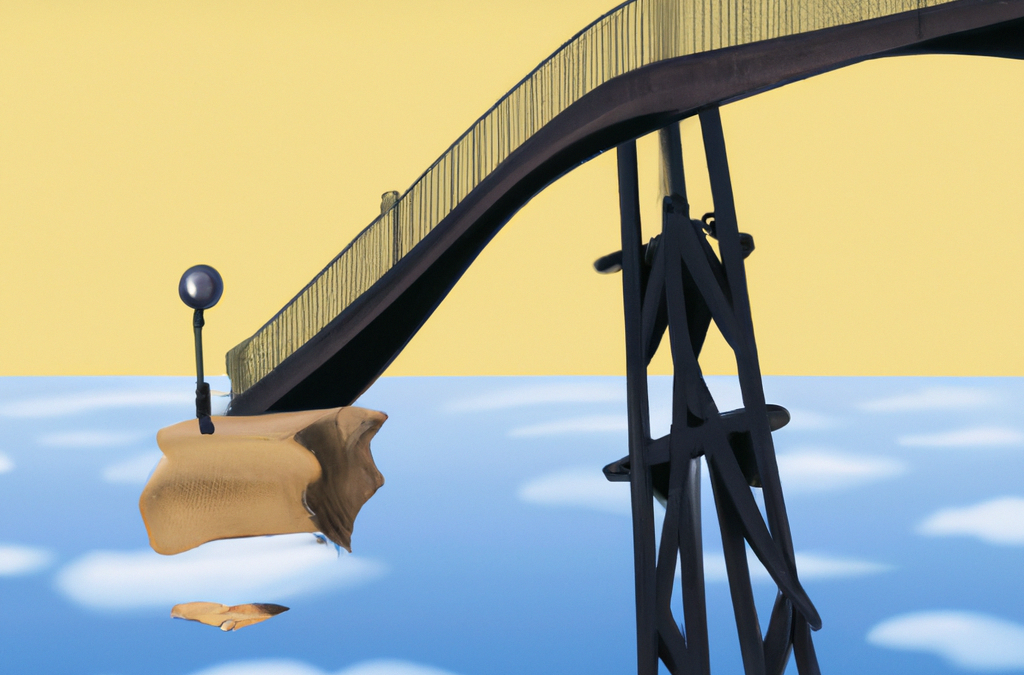
Bridging the Gap to Nowhere?
read more
Maybe the problem isn’t that scholars don’t know how to speak to U.S. foreign-policy makers, but rather that U.S foreign-policy makers don’t know how to engage with scholarship?

The counterfactual analysis used in debates about NATO expansion is far too limited. It makes the untenable assumption that the world would like mostly the same. This piece offers an alternative.
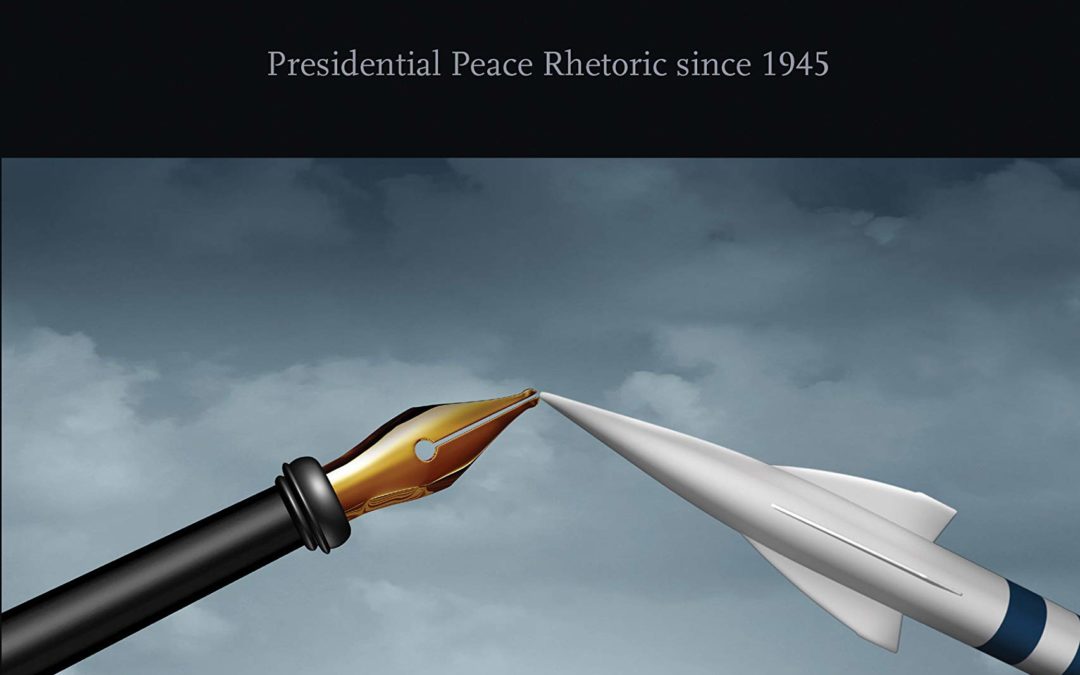
What if how presidents talk about ending wars contributes to the cycle of U.S. military intervention? Stephen J. Heidt answers 6+1 questions about his new book.

Simple steps to promote qualitative research in journals It happened again. After months of waiting, you finally got that "Decision" email: Rejection. That's not so bad, it happens to everyone. But...
As you know, the footage appeared live, as bodies began falling from the flaming and smoke-filled North Tower, as US Airlines Flight 175 was flown into the frame and South Tower at 0903, and as the South and North Towers collapsed at 0959 and 1028 respectively. You know this, because you were watching. You can remember it. Indeed, with Jean Baudrillard referring to ‘the unforgettable incandescence of the images,’ they would be forever burned into the retina of America’s public eye. However, as a visual spectacle consumed in common by the population of bodies comprising the American body...

While the Russia probe is expanding to include naïve 36-year old Harvard graduates, pundits all over the world have been worried about elections in other countries. The massive WikiLeaks dump (pun intended) on Emmanuel Macron’s campaign in France did not work, so the next troublesome case seems to be Germany (the UK is fine, they are already leaving the EU). As Quattrociocchi et al. note, the so-called ‘echo-chambers’ on social media reinforce selective exposure and group polarization, further radicalizing the political debate that is already polarized in the US. With 62% of American adults...
Will Moore decided to punch out, as he put it. He left behind devastated friends, co-authors and students as well as family. I have been trying to put into words how I feel today. Will was upstaged by his suit I have known Will since I was a visiting assistant professor long ago. He and I were part of several workshops aimed at producing an edited volume--the finest one of my career. His feedback on my work then and his intense desire to produce excellent work were both very helpful as I was just getting going. Since then, we would chat at most conferences, and recently we started a...
Even though ISA provided some much-needed group therapy, in the end we still need to grapple with and teach about #45. I was inspired by some ideas in syllabi 1, 2, and 3, but I also needed some background information and topics that are geared towards a non-American audience. On top of it, I left the theme of one session open for the students to decide on. So below is roughly what my students are in for at the University of Bremen. Any ideas how to improve it? Unit 1: Sources DEMAGOGUERY AND DEMOCRACY Finley, M. (1962). Athenian Demagogues. Past & Present, (21), 3-24. Further reading:...
I have regularly seen stuff online or in academic publications complaining about professionalization and what it has meant for Political Science. The basic idea is that things were great before people became focused on stuff like citation counts, which has led to all kinds of perverse incentives. The main complaint, it seems, is that scholars will try to game citations and this will force them into bad habits and away from good work, like thinking big thoughts (grand theory). To be sure, as John Regehr illustrated so well, academics are smart at gaming systems: While the first one listed...
Robert Kelly used to blog here before he made the big-time on the BBC, so here's a salute via Friday nerd-blogging. BEAUTIFUL pic.twitter.com/EQo7JJJ8gW — Lindsey B (@lindseybieda) March 17, 2017
Women in academia do not enjoy an easy ride. Even though “manel” count at this year’s ISA was much lower, there is still work to be done. Not to mention the recent scandal about the epidemic levels of sexual harassment at the UK universities. But let's rejoice at the thought that a mere hundred years ago things were much worse. My university campus in Bremen has a Lise-Meitner-Strasse and the International Women's Day is a good opportunity to share her story. In short, Hidden Figures needs to have a German prequel. Lise Meitner was born in 1878 into an upper-class Jewish family in Vienna...

This is a guest post by Idean Salehyan. Associate Professor of Political Science, University of Texas at Dallas “Why did you become an academic?” is a question that I’m frequently asked. For me, my path into this profession is pretty clear. I was about fourteen and a freshman in high school in the early 1990s. A few of my friends joined the school chapter of Amnesty International, and I figured I’d go along. My world was changed. I learned of people being slaughtered because their ethnicity; political activists imprisoned for their beliefs; widespread torture and sexual assault; and...