In this installment of “Whiskey Optional,” Stacie Goddard (Wellesley), Evelyn Goh (Australian Nat…

Episode 20: International Order
read more
In this installment of “Whiskey Optional,” Stacie Goddard (Wellesley), Evelyn Goh (Australian Nat…
While in the US children are being separated from their parents seeking political asylum and taken to a Walmart prison, some Russian lawmakers are concerned that illegal aliens can enter the country...
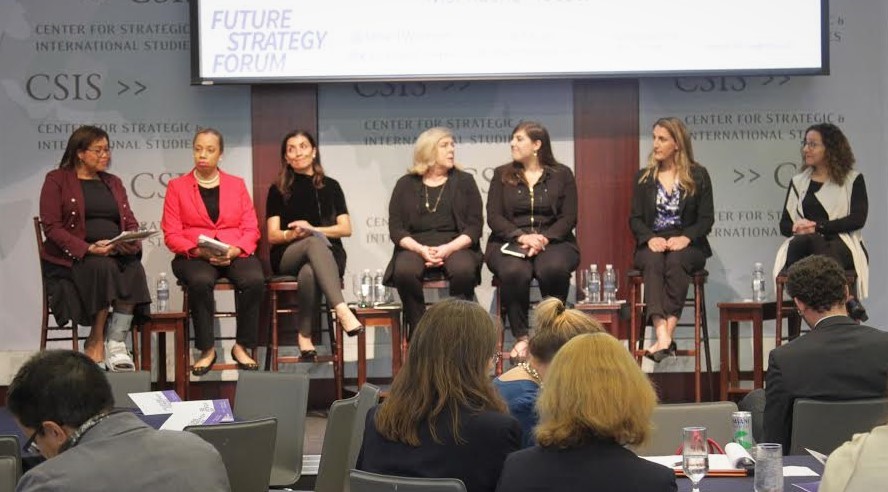
This post in the Bridging the Gap series come from Sara Plana and Rachel Tecott, doctoral candidates in the Department of Political Science at the Massachusetts Institute of Technology. (Sara is...
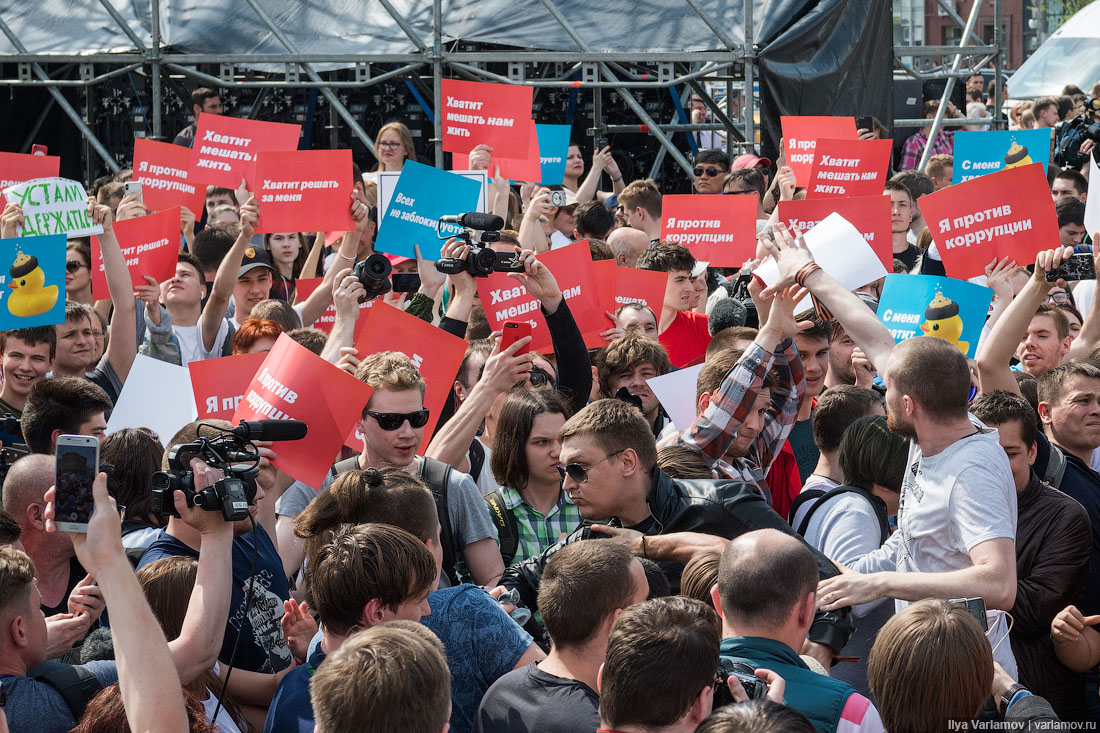
Today is President Putin’s inauguration day and even Avengers couldn’t stop it, as evidenced by the arrested raccoon in the center of Moscow on Saturday during the unsanctioned rally ““He's No Tsar...
The news of unaccompanied children and teens crossing the U.S. southern border circulated about two weeks ago, causing serious concern to many. The Obama administration announced that more family detention centers will be opened to detain the minors. Family detention centers have long been criticized on legal grounds, as Paul W. Schmidt’s excellent review outlines. Law scholar Anil Kalhan identifies, coercion, due processes violations, mandatory custody, and limited counsel as the most critical issues. An Amnesty International report tracing violations of human rights associated with...
Silly sci-fi covered in patriotism sauce? There can be only one speech we can post here:

A new version of maneuver warfare is being utilized mainly by Islamic fundamentalist forces to seize territory from government forces trained, equipped and organized along the Western model. This “new blitzkrieg” relies on lightly armed fighters mounted on “technicals” – 4x4 trucks with heavy machine-guns, light cannons, or automatic grenade launchers mounted on the vehicle. Here are some key factors we should be thinking about in order to potentially combat these forces in the future. This isn’t new. The exact same tactics were used by the Taliban in 1994 to seize massive areas of...
Greetings, PhD Class of 2019. Welcome. We are excited for your arrival on campus later this summer. As you enjoy your summer, I thought I’d take this opportunity to write you with some advice for your next adventure. My comments are just based on my personal experiences but I thought maybe they would be of use to you as you start your PhD. My first set of comments all revolve around one basic point: this isn’t an extension of undergrad. The early course work you do in preparation for your PhD should be thought of as something completely different from your past experiences. Even...
Last Spring the International Studies Association approved a new ISA journal, the Journal of Global Security Studies. I am normally pretty sanguine about new journals in the discipline but in this case I feel genuine excitement. Why? Because JOGSS is not just another outlet for scholarship but is actively positioning itself institutionally to cultivate much-needed bridges and conversation across divides within the sub-field: "The mission of JOGSS is to publish first-rate work from across the entire range of methodological, epistemological, theoretical, normative, and empirical concerns...
Last Spring the International Studies Association approved a new ISA journal, the Journal of Global Security Studies. I am normally pretty sanguine about new journals in the discipline but in this case I feel genuine excitement. Why? Because JOGSS is not just another outlet for scholarship but is actively positioning itself institutionally to cultivate much-needed bridges and conversation across divides within the sub-field: "The mission of JOGSS is to publish first-rate work from across the entire range of methodological, epistemological, theoretical, normative, and empirical concerns...
If only present day global competition were confined to the World Cup. But while eyes have turned back to a new crisis in Iraq—something I’m not exactly proud of predicting here—at least there has been progress on the Ukraine crisis, which has gone from boil to simmer in recent weeks. At this stage it has become clear that Russia has blinked, and thus will not be swallowing eastern Ukraine whole. Just as important, we now have clear as day evidence that President Putin’s gambit has failed: Ukraine has not only signed the EU trade agreement that former President Yanukovych walked away...
Please consider putting in a round-table, paper, or panel submission for the 2014 International Studies Association -Midwest Conference, to be held November 7th through the 9th at the Hilton-Ballpark in St. Louis. The deadline for proposals is July 1st. In my opinion, ISA-Midwest is the most productive and friendliest conference I attend all year. Unlike other conferences, ISA-Midwest has a plethora of formal and informal opportunities to talk to some of the best scholars in the field and hear their advice both on scholarly work and on professional development. I am encouraging all my...