A distinctly unoriginal take on the pathologies of overvaluing academic “novelty.”
This post is written by Bridging the Gap Fellow Dr. Danielle Gilbert, Assistant Professor of Military & Strategic Studies at the U.S. Air Force Academy. The views expressed in this article...
WARNING: Minor Spoilers for Wonder Woman 1984 ahead Like many Americans, I ended my Christmas day by paying $15 to subscribe to HBO Max and watch Wonder Woman 1984. The much anticipated sequel to...
In the spirit of holiday cheer and Paul Musgrave's great Foreign Policy piece "The True Meaning of Christmas Movies Is a Cozy American Worldview" as well as our common poli sci curse of "being...
This is a guest post by Idean Salehyan. Associate Professor of Political Science, University of Texas at Dallas “Why did you become an academic?” is a question that I’m frequently asked. For me, my path into this profession is pretty clear. I was about fourteen and a freshman in high school in the early 1990s. A few of my friends joined the school chapter of Amnesty International, and I figured I’d go along. My world was changed. I learned of people being slaughtered because their ethnicity; political activists imprisoned for their beliefs; widespread torture and sexual assault; and...
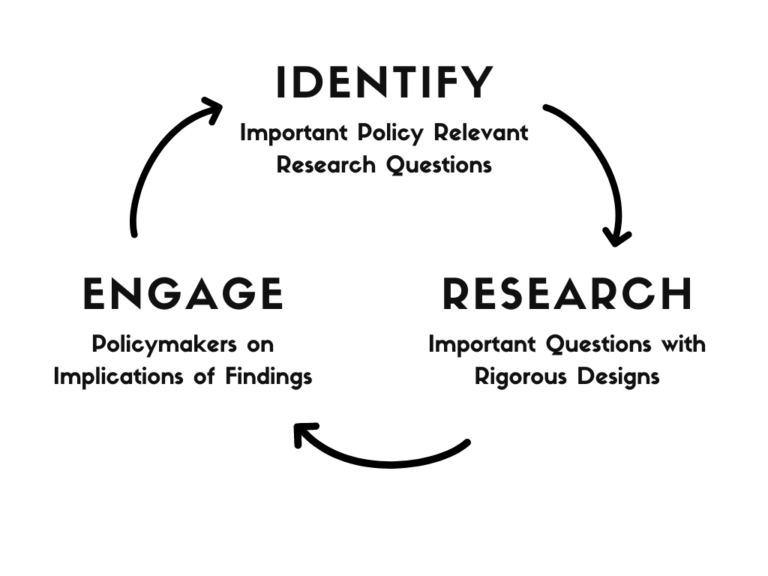
This is part IV in a series on bridging the gap between policy and academia. In part I, I wrote about principles of engagement. In part II, I wrote about short-form writing and in part III long-form writing. In this post, I turn to teaching and speakers' series. You may also be able to organize policy-relevant courses and host outside speakers, both of which can bring you in closer contact to the policy world and give you an opportunity to develop policy-relevant work for them. Policy-Relevant Courses I teach at a school of public affairs. We regularly have year-long courses for MA students...
This is a guest post from Rob Blair and Jeff Colgan of Brown University. Since Donald Trump was elected last November, there has been no shortage of commentary warning that he represents a unique threat to the quality and longevity of democracy in America. (For just a few examples, see recent articles in the New Yorker, Atlantic, New York Times, and NPR.) Like many scholars and concerned citizens, we have been asking ourselves what we can or ought to do to help prevent this threat from materializing. Although we do not wish to professionally engage in partisan politics, as scholars we are...
This is the third in a series of posts about bridging the gap between policy and academia. The first focused on principles for engagement. The second on short-form writing, including blogging. Another way to engage the policy world is writing long-form papers for think tanks. I’ve written for a number of think tanks and held fellowship positions at several (I'm currently a non-resident fellow at the Chicago Council on Global Affairs). Most of them fell in my lap where a think tank approached me because they were already familiar with my work or I knew folks who were there. Think tank...
This is part II of a series on bridging the gap between policy and academia. In my last post, I laid out some principles for thinking policy engagement as an academic. In this post, I'll talk about one such strategy -- short-form writing for the public -- which includes blogging, Twitter, and other social media. In subsequent posts, I'll review some others. I’ve been blogging on and off since the mid-2000s and since 2011 here on the Duck of Minerva. I’ve also contributed to the Monkey Cage a fair amount in recent years, among other outlets, and have a pretty active social media presence on...
Just returning from an invigorating #ISA2017 where I was inspired by colleagues and new ideas and processing all the stimulating interactions and conversations I had. Last night at the fabulous Global Health Studies section (you should join!) business meeting, one topic of discussion was whether the section should take further action on the U.S. travel ban given that the ISA conferences are to be held in the U.S. or Canada through 2023 and the ban impedes participation by our colleagues from the targeted countries. This year some 170 colleagues did not attend the conference as a result of...
At the recent ISA meeting, I had the good fortune to participate in a roundtable on bridging the policy-academic divide organized by Jim Goldgeier, the Dean of the School of International Service at American University. Fellow panelists included Bruce Jentleson and a powerhouse trio from American University, including Susanna Campbell, Nora Bensahel, and Jordan Tama. All of us in some capacity have participated in the Bridging the Gap project over the years. I wrote my remarks up in a long form but I thought I’d roll them out in a series of six blog posts beginning with this one. I’ll come...
This is an open letter signed by US international affairs scholars to their fellow citizens. If you hold a PhD in international relations or an extant field and wish to add your name to the list, please tweet #StudytheWorld with your name and institutional affiliation or send this information in an email to ir.scholars.openletter@gmail.com. Dear Fellow Americans, Recently, President Trump tweeted that people should “Study the world!” to understand his foreign policy. As scholars of international relations, we have studied the world, and we are concerned that the actions of the President...