Patrick and Dan talk about the newest feature of the podcast: a series in which they combine thei…
Raymond Kuo answers 6 (+1) questions about his 2021 book on why the institutional design of alliances changes over time.
As access to vaccines continues to hamper developing countries’ response to the COVID-19 pandemic, many of these countries also face significant public debt burdens. The Debt Service Suspension...
If there's one thing that American political scientists agree about, it's that the U.S. "job market" is pretty brutal. It's not uncommon for junior scholars to bounce between postdocs and visiting...
Layna Mosley is Professor of Political Science at the University of North Carolina at Chapel Hill. Her research investigates the politics of sovereign debt, and the effects of global supply chains on worker rights. She joined the WAKS Editorial Board in November 2017. Website: laynamosley.web.unc.edu/ or find her on Twitter at @thwillow. Duck of Minerva readers may have noticed Max Fisher’s recent New York Times Interpreter piece, addressing Taliban attacks against Afghan civilians. On Twitter, Fischer reported that he “made an effort to quote only women in this.” Six of the seven experts...
I tend to complain a lot about the NATO 2% expectation--that members are supposed to spend 2% of their GDP on defense stuff, which probably makes more more Canadian than anything else I do (I don't skate or watch hockey much). This is aspirational and countries are supposed to reach it by 2024. I have written much about why this is problematic (it tends to make Greece look good, which is a clue; doing is more important than spending, etc), but today I want to focus on the heart of the matter: 2% is a measure of input and nothing else. The basic idea is if we all spend a significant hunk of...
The past week has not been a good one for global health. What gives? I can only come up with one explanation: the Trump Administration is doing its darnedest to disprove the argument in my new book. In Global Health Governance and International Society (out on the 8th! Perfect for Valentine’s Day!), I argue that the emergence, growth, and ‘stickiness’ of global health politics reflects a shift in an international consensus about our collective obligations to address health concerns in other countries. We’re moving from a largely state-based system that only sporadically considers health...
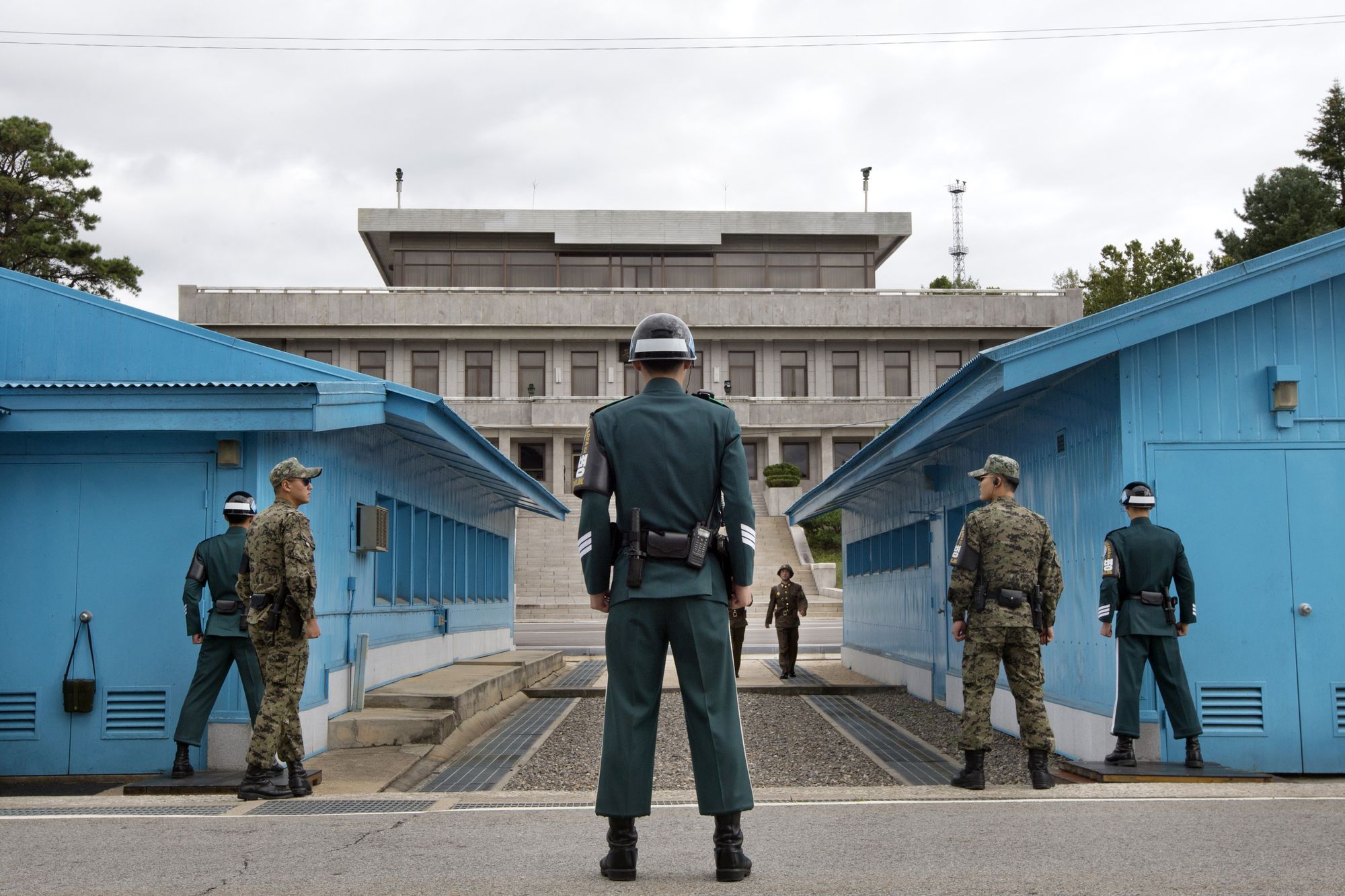
Ahead of the 2018 Winter Olympics, the media has become fascinated with a common narrative that the erstwhile “bitter enemies,” North and South Korea, will march under one flag. The identity and political relations of the Koreas are more complicated than the “enemy” rhetoric conveys. Emblematic of this complexity are the families that are separated by the border, with living siblings that pre-date the division of the peninsula. The current thaw in inter-Korean relations is rooted in the late 1990’s “Sunshine Policy” of the former South Korean President Kim Dae-jung. Yet, the question remains...
Any woman would tell you that. What matters is what you do with it and whether you know how to use it. Whatever Brobdingnagian thing you’ve got going on there, it’s way more important to have a game plan and understand the sweet spots you need to target. Otherwise, both parties may come away less than satisfied from the encounter. I am talking, of course, about the nuclear arsenal size and the ever-lasting dick-measuring contest that is international politics. After the ridiculous Trump tweet that Kim John Un’s nuclear button is smaller and less powerful than that of #45, IR Twitter was...
2017 was not a great year for international politics. The sentence I heard the most during conferences and other academic gatherings was that “the global order is in crisis.” Granted. It all started in 2016 with the victory of Trump, Brexit and the No to the Peace Agreement in Colombia. Nationalist ideologies have nothing but grown in 2017, when the victories of Marine Le Pen in France and of Geert Wilders in the Netherlands all of a sudden seemed plausible. Luckily, they did not materialise. We also had auto-proclaimed nations that demanded independence, such as Catalonia or Kurdistan. To...
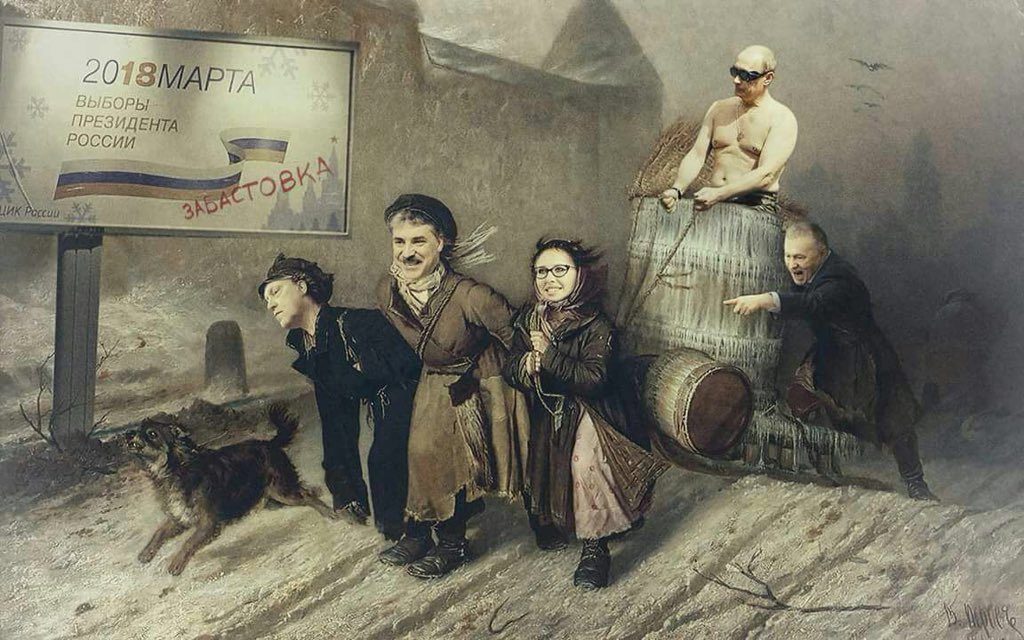
If anybody is planning to collude with some Russians for New Year's (but not in order to swing an election), I compiled a brief checklist. Originally, I wanted to take apart an article from a prestigious newspaper that described "a Christmas encounter with a Russian soul", but then I decided against it. After all, if you don't buy "the case for colonialism", then you probably also won't think that "Russians do not share the ethical heritage of the West, but moral intuition exists everywhere, and is able to be inspired". But enough with the narcissistic white bigotry, let's learn about...
We knew it was coming and here it is. An open source spreadsheet designed by The Professor Is In blog's Karen L. Kelsky for the purpose of collecting up stories of sexual harassment, abuse, and plain old taking advantage from within the Academy in the wake of the #MeToo movement. "I am not surprised at the number. I am surprised at the severity of many of the stories. I expected more quid pro quo or handsy passes made after drinking at an open bar at a conference. I didn’t expect as many stories of rape and stalking and abuse." (Kelsky) Unlimited to the discipline of International Relations...