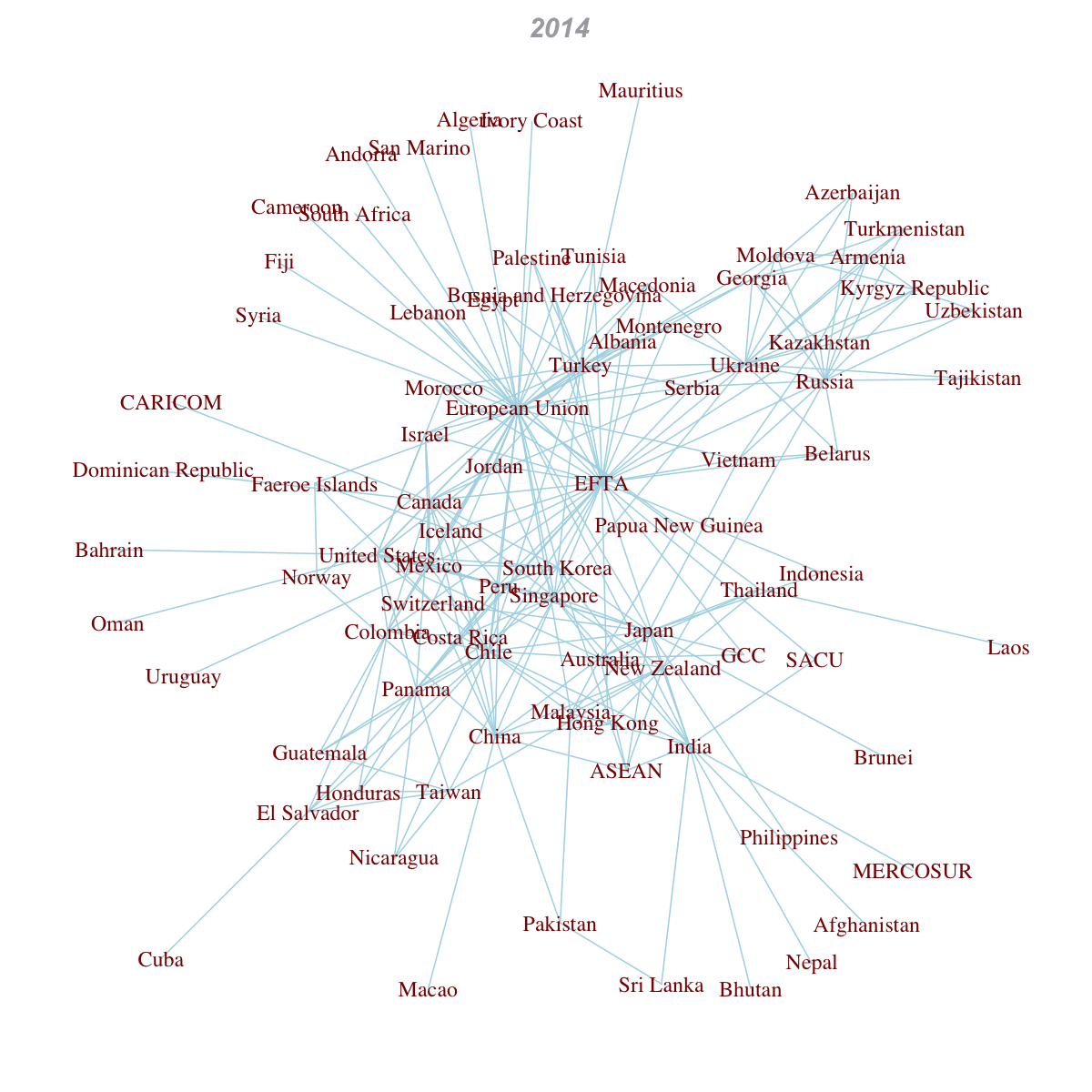
Who, if anyone, rules the world? Answering a question like that requires grappling with both the character of international order and the global distribution of power—facets of political life that are related but should not be conflated. Two new...
Fast fashion is generating more than just cheap clothing: it’s also a crisis of disposability affecting livelihoods in the Global South.
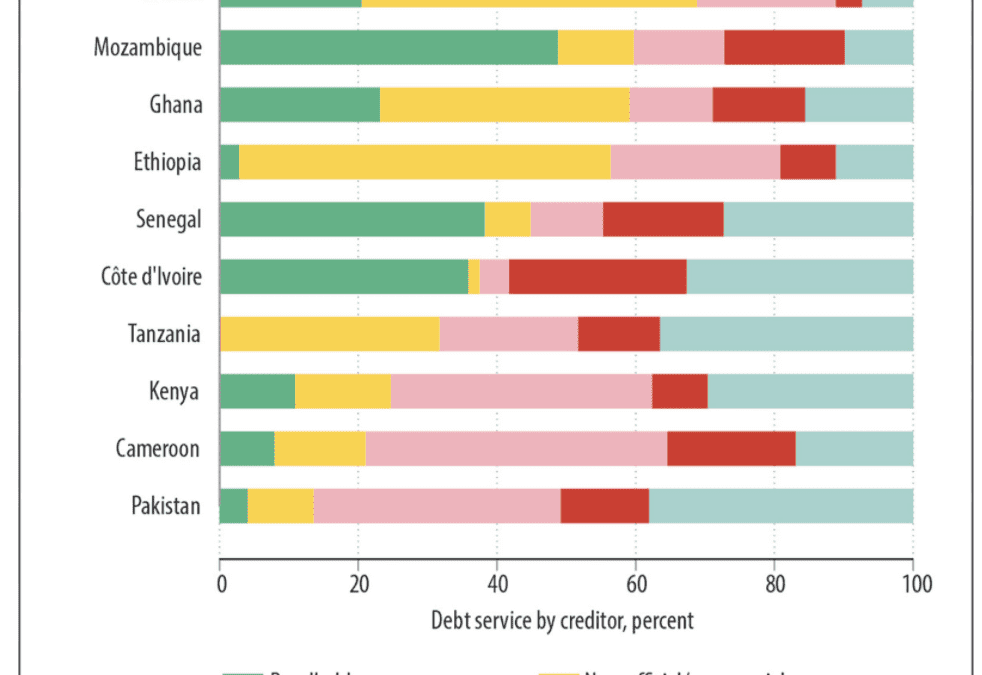
As access to vaccines continues to hamper developing countries’ response to the COVID-19 pandemic, many of these countries also face significant public debt burdens. The Debt Service Suspension...
This is a guest post from Walter James, a PhD candidate in the Department of Political Science at Temple University with an interest in comparative political economy of financial regulation. The...
According to the NY Times, the IMF has refused to participate in any new bailout program for Greece unless Hellas is receiving debt relief. Specifically, says the IMF, this relief must come in one of three ways to be determined by Greece and the Troika: reducing the amount of principal debt to be repaid ("writedowns"), extending the term of the loans (the IMF suggest no payments for 30 years), or interest rate subsidies that would allow Greece to repay its loans at rates substantially below their market value. In practice part of the debt (around€100bn) was already discharged in 2012 via...
The former Greek finance minister Yanis Varoufakis (also a former colleague) has compared Greece's situation to "fiscal waterboarding" at the hands of its creditors. Thomas Piketty has accused Germany of forgetting its own post-World War II experience with debt relief. When I read some of the appeals to Germany and the European Union on Greece's debt situation, I thought as an act of strategic framing that Greece/Syriza (and to a lesser extent those of its supporters like Piketty) might be going about it wrong. As I wrote about in my first book Moral Movements and Foreign Policy, in the...
[UPDATE: This provides more detail and context than I do. Read it instead of, or at least in addition to, my post.] Thomas Piketty has decided that because Germany was the beneficiary of debt relief in 1953 that they should extend the same privilege to Greece today: When I hear the Germans say that they maintain a very moral stance about debt and strongly believe that debts must be repaid, then I think: What a huge joke! Germany is the country that has never repaid its debts. It has no standing to lecture other nations. Before explaining why this is both normatively and positively misguided...
In the Greek bailout episode the Greek government has been behaving much like the self-pitying Antonio from “The Merchant of Venice,” while the EU has been posing as a rather heavy-handed Shylock. Despite being aware of the damaging consequences of a Greek default and potential exit from the Eurozone, the EU seems intent of having its pound of flesh. By subjecting Greece to additional austerity provisions, it may be risking the revival of the Euro financial crisis—this time with serious geostrategic implications. For five years the Greek people have been dealing with a series of austerity...
I would like to cut through a lot of the rhetoric and discuss where we are with the Greece crisis and where we are likely to be quite soon. I will conclude with some thoughts as to why this has been an enormous failure on the part of Syriza and the intellectual left that has supported it, and it will come with a very high cost. TL;DR: Wishful thinking is no substitute for real analysis. The European North made its position on indefinite financing of the South (and East) clear before the euro came into being. In fact, that was a condition for the euro to come into being. It has not changed....
President Obama's difficulty in convincing Congress to grant him authority to negotiate the Trans-Pacific Partnership without legislative amendment is a serious setback for his foreign policy agenda. Most commentary on the subject has focused on the trade deal's likely economic impact -- which are not negligible, most importantly for Asian partners like Vietnam, but likely won't impact the US in discernable ways. Others discuss its geopolitical significance in breathless, but vague, tones. Take this recent NY Times article: “If this collapses, Pacific Rim countries will be aghast,” said...
Hello there! I'm very excited to be blogging here at Duck of Minerva for the next several months, and I'd like to thank all the full-time Ducks for the opportunity! For my first post, I thought I'd address something I've been thinking about ever since a student asked about it in my US Foreign Policy class this past semester. She asked about the BDS movement and whether I thought it had any chance of influencing Israel's behavior towards the Occupied Territories and the Palestinians. Not having thought much about the issue before, I gave a typically hemming-and-hawing answer, but the more I...