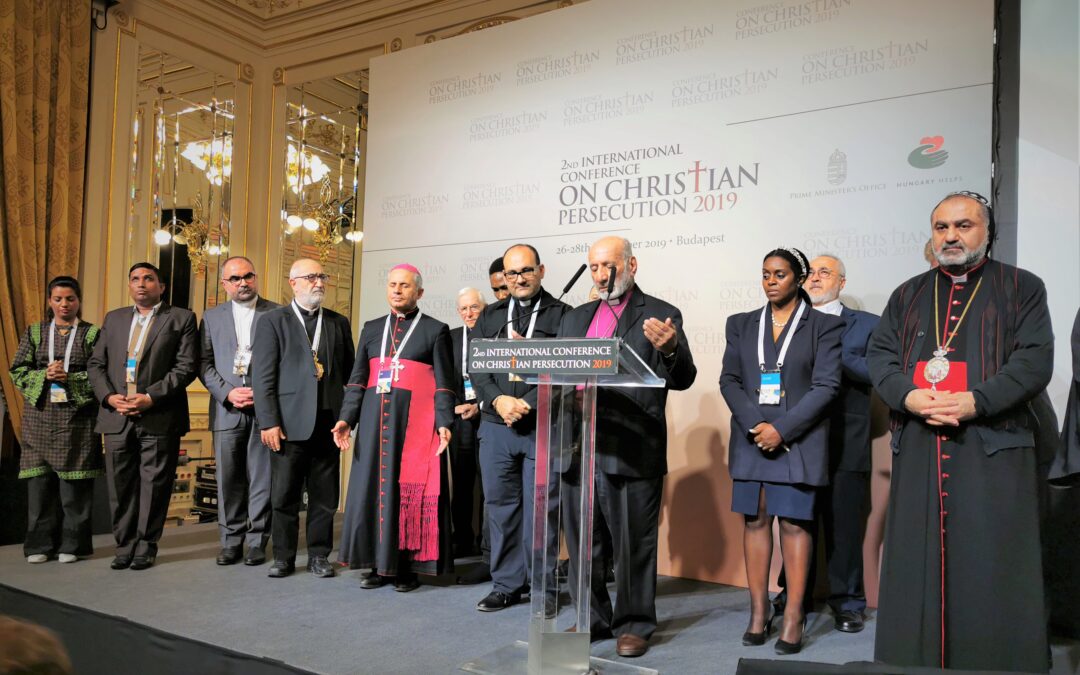
What is the name of the journal article (or book) and what are its coordinates? Miray Philips. 2025. “The Social Construction of Christian Persecution through Quantification in International Religious Freedom Advocacy.” Sociology of Religion....
Intra-elite, state-centric society is a strategic front, and ought to be defended and put to use in the continued development of a global and decolonial turn in IR.
The special issue’s concerns could easily be a passing ‘fad’ as the forces of the status quo bide their time. A focal point on race, necessary as it is, could elide class and material factors’ influence on world politics.
Even when Latin Americans are allowed to speak, IR scholars and practitioners do not listen to them due to the language in which they produce knowledge, epistemic violence and access barriers.
Whenever we talk about the liberal international order, we actually also talk about globalization. The former promoted international trade and financial liberalization , the spread of democracies, and the growth of global governance. These, in turn, promoted interdependence. Markers of global economic interdependence — such as global trade flows and global financial direct investment — increased. In integrating regions, and especially among advanced industrial democracies, boundaries lost political and cultural salience. Over the course of the 1990s, Europe took on new significance as an...
The practice of maintaining a long-term, peacetime military presence in another state (or “sovereign basing”) only developed in the last century. Before World War II, a foreign military presence usually meant one of three things: occupation, colonization, or a wartime alliance. This changed radically in the years after 1945.
Not many know that Trump was on the verge of publicly announcing U.S. withdrawal from the alliance at the 2018 summit. Congress would have prevented a formal end to U.S. membership, but Trump’s announcement itself would have caused irreparable damage. Why then did Trump change his position on NATO in 2019? And why was NATO, at least in military terms, in better state when Trump left office than when he began his term?
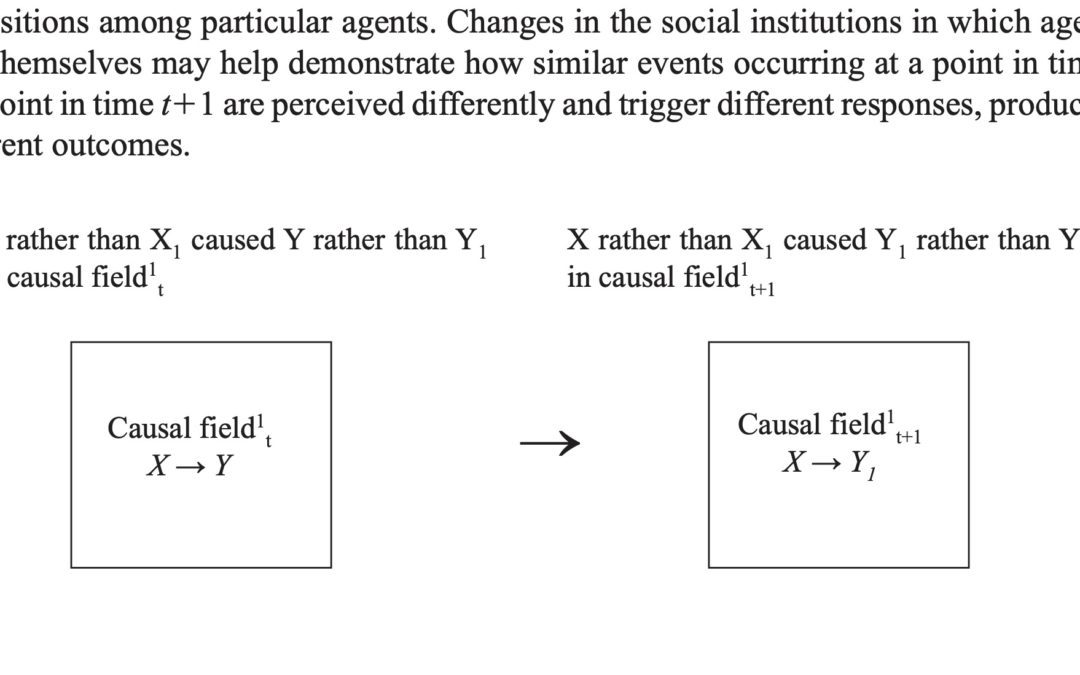
Ludvig Norman answers 6+1 questions about causal inference in interpretative scholarship
Whether scholars embed policy recommendations in their work is a flawed measure of whether work is policy-relevant. Across a series of articles and book chapters, Michael Desch and Paul Avey have argued international relations scholarship is declining in policy relevance, with IR scholars falling into what Stephen Van Evera has called a “cult of the irrelevant”: a hermetically-sealed professional community that values technique and internal dialogue over broader societal and political relevance. As evidence, they cite data demonstrating a marked decline in the frequency...