Charles A. Dainoff, Robert M. Farley, and Geoffrey F. Williams answer questions about their new book
The Russian government has developed a symbiotic relationship with the country’s pseudoscientific community.
What is the name of the book and what are its coordinates? Michael A. Allen, Michael E. Flynn, Carla Martinez Machain, and Andrew Stravers. 2022. Beyond the Wire: U.S. Military Deployments and Host...
What's the title? Latham, Andrew., 2022. Medieval Sovereignty, ARC Humanities Press. It argues that? A series of thirteenth-century contests over the locus and character of supreme authority in...
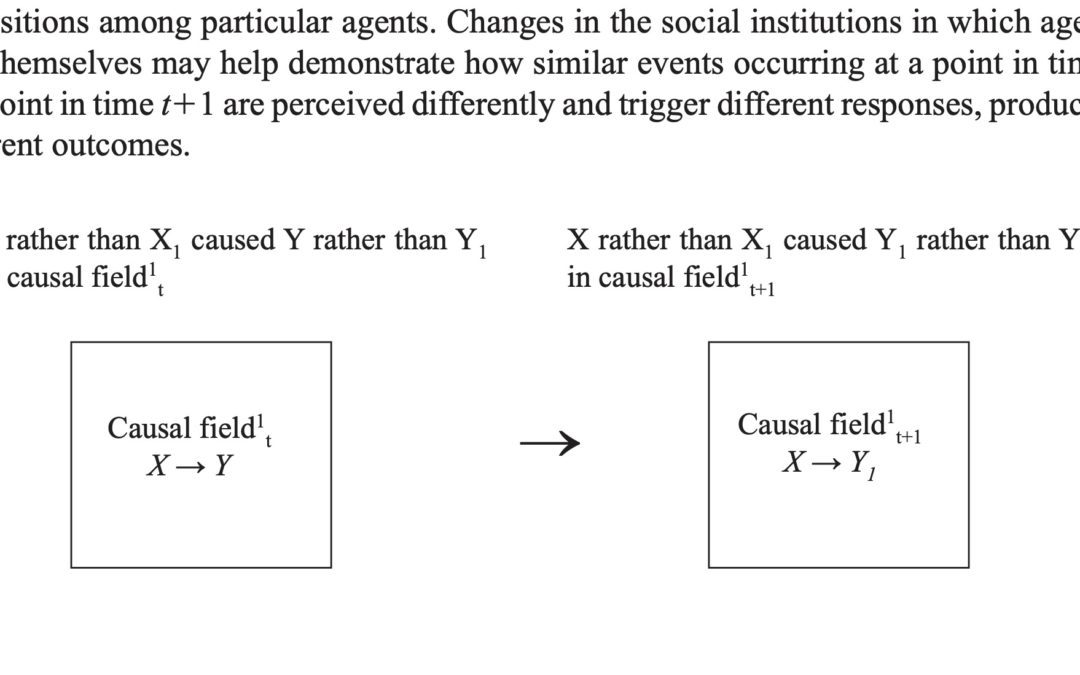
Ludvig Norman answers 6+1 questions about causal inference in interpretative scholarship
Raymond Kuo answers 6 (+1) questions about his 2021 book on why the institutional design of alliances changes over time.
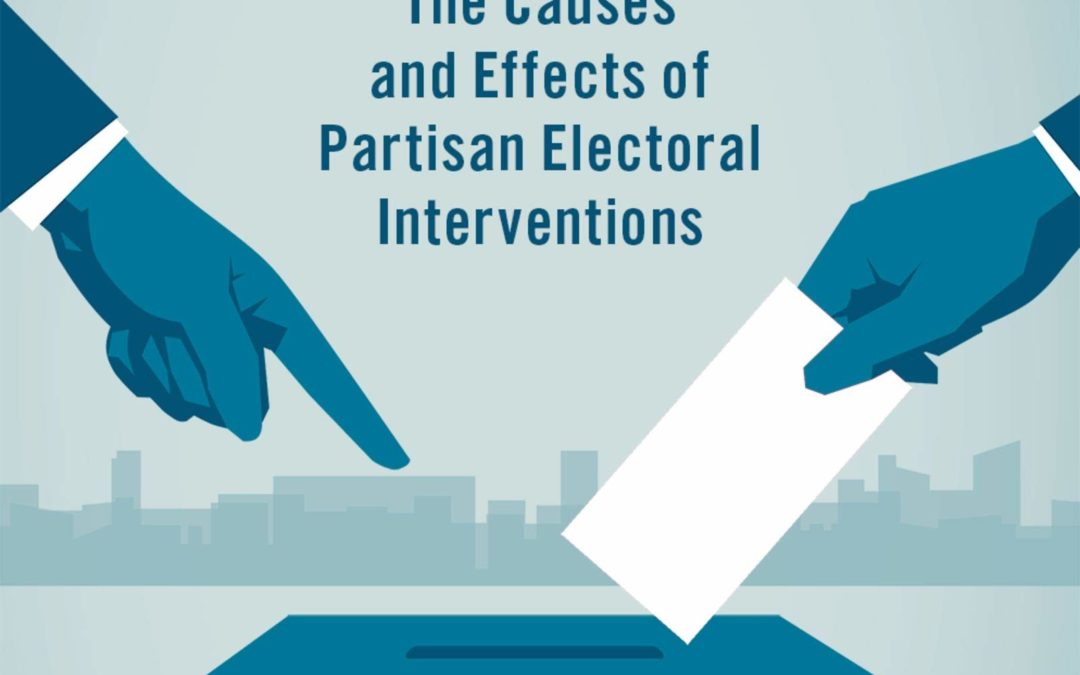
Dov Levin answers 6 (+1) questions about 2020 book on foreign electoral interference. When do great powers back a specific party or candidate in another country? Can they change the electoral outcome? Find out.
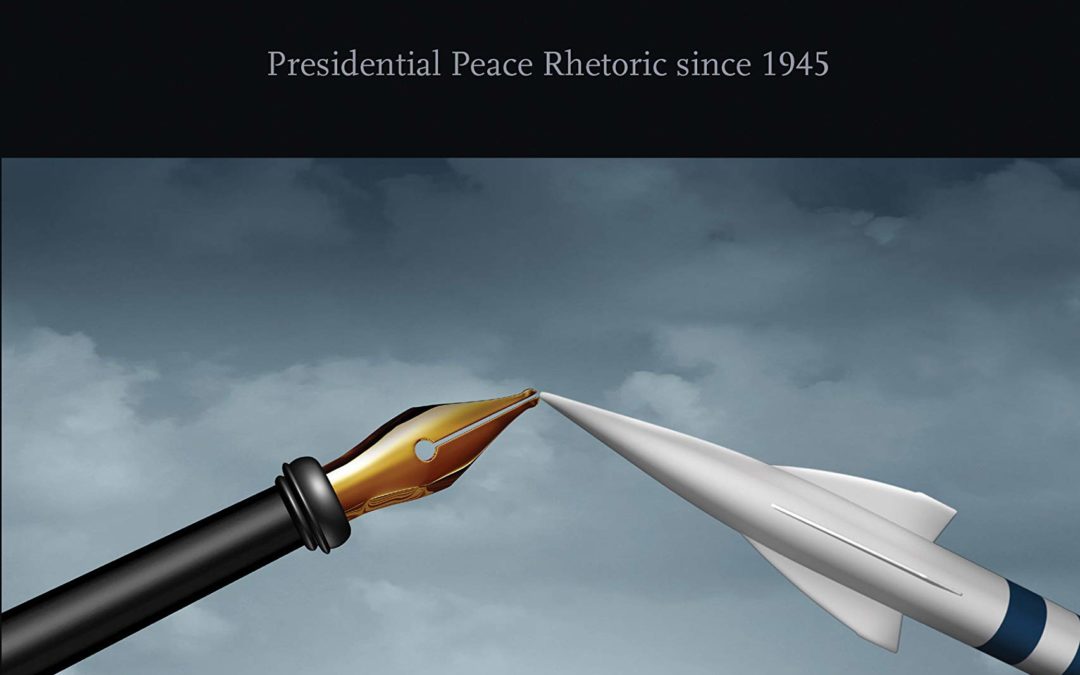
What if how presidents talk about ending wars contributes to the cycle of U.S. military intervention? Stephen J. Heidt answers 6+1 questions about his new book.
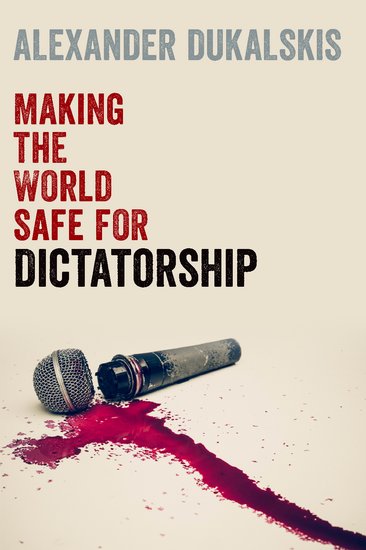
Why and how do authoritarian regimes manage their image abroad?
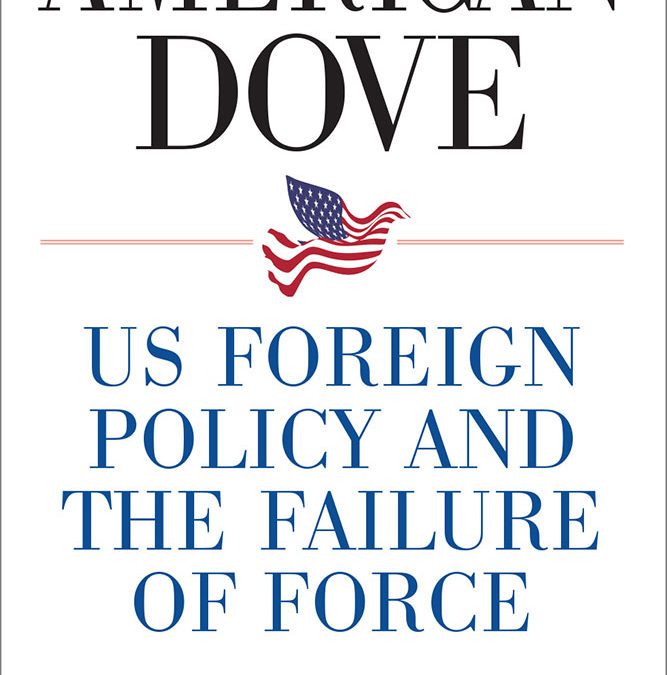
American Dove makes pragmatic case for a dovish foreign policy. The use of force is a terrible foreign-policy instrument: it’s expensive and hardly ever works.