Intra-elite, state-centric society is a strategic front, and ought to be defended and put to use in the continued development of a global and decolonial turn in IR.
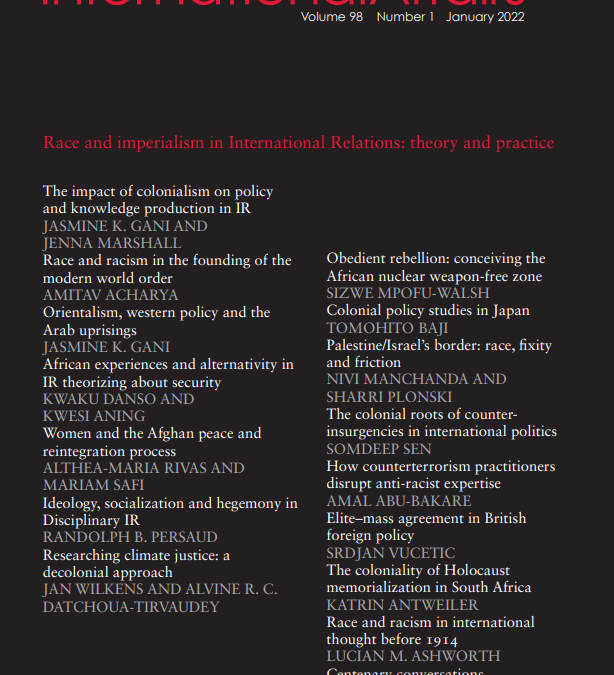
A reckoning with the traditional diplomatic community
read more
Intra-elite, state-centric society is a strategic front, and ought to be defended and put to use in the continued development of a global and decolonial turn in IR.
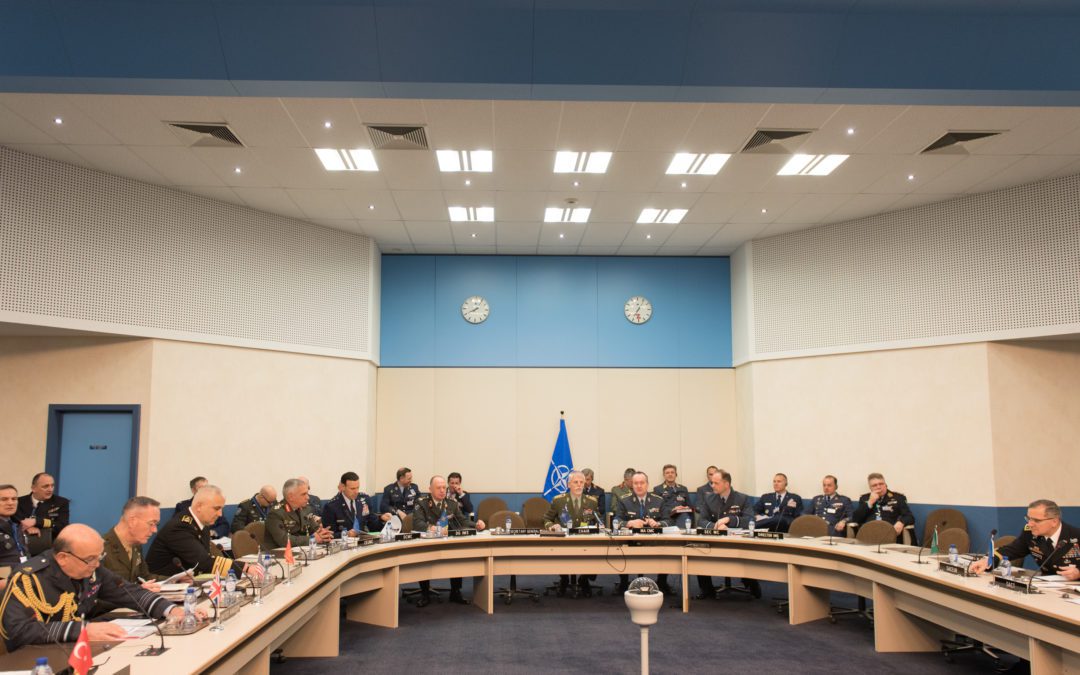
Over the past six months or so, I've gotten a lot of pings about NATO and the "Big 3" (UK, France, and Germany) taking on a role in Asia — and specifically a bigger military presence in the region....
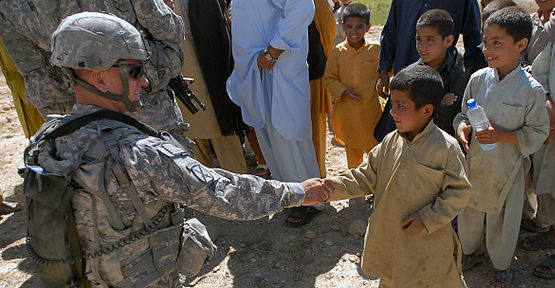
Though unlikely to happen any time soon, recent calls for the US to pay reparations to the Afghan people provide an opportunity to reflect on the complexities of reparations and global justice.
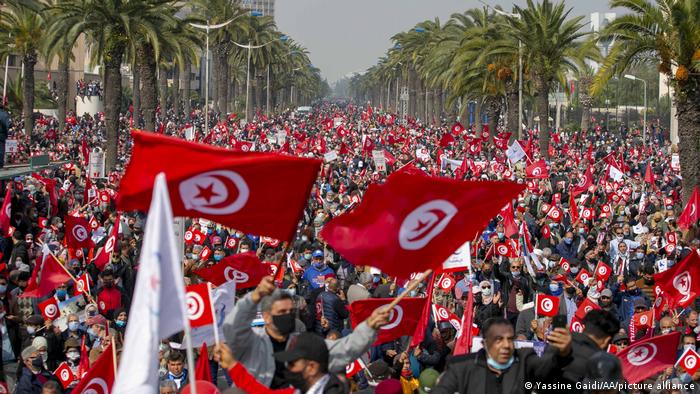
Everyone is (rightly) thinking about Afghanistan, but I'm still thinking of Tunisia. Each fall I teach a Middle East politics class. And each fall I end our discussion on the Arab Spring with a...
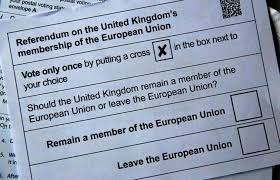
The UK's vote on whether to remain in the European Union is tomorrow. I'm having trouble squaring a fearful nativist UK with the country I knew when I lived there from 1993 to 1995 completing a second undergraduate degree in international development. The UK I knew was eclectic and increasingly multicultural, with its cultural scene perhaps even more comfortable than the United States in drawing on diverse influences to produce fantastic art. This was pre-Cool Britannia and pre-Tony Blair (and also before the Iraq War and the global recession), and there was an undercurrent of optimism that...
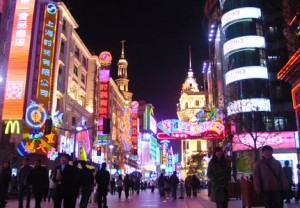
This is a guest post from Barry Buzan, Emeritus Professor at the LSE For the past decade or so, China has been in the grip of a growing contradiction (in the classical Marxist sense) between a Chinese Communist Party (CCP) still deeply Leninist in its outlook, and the increasingly capitalist society that the CCP’s highly successful economic reforms have created. As Jonathan Fenby has argued, the CCP remains unbendingly committed to remaining in power in perpetuity. Yet as knowledge, wealth, organization, information and connectivity spread through Chinese society, that society becomes...
The Russian Federation covers more territory than any other country. It has a large nuclear arsenal, skilled weapons designers, and the world's fourth largest military budget—after the United States, China, and Saudi Arabia. But it maintains that budget—which comes it at roughly 12% of US military expenditures—by spending a larger percentage of its GDP on defense than does the United States, China, Britain, France, Japan, or Germany. Indeed, if the major European economies boosted defense spending to 3% of GDP—still short of Russia—they would each have larger military budgets. Of course,...
This is a guest post by Erik Goepner, a Phd student at George Mason University. He commanded units in both Afghanistan and Iraq. American and international expertise, money, and blood have flowed into Afghanistan for 14 years, yet stability appears more elusive today than it did in 2002. High rates of civil conflict continue with record numbers of civilian deaths, corruption that plagues the government, and transnational terror groups such as the Islamic State appearing to grab power. The first stop in America’s war on terror has not gone as planned. The failure to achieve U.S. objectives...
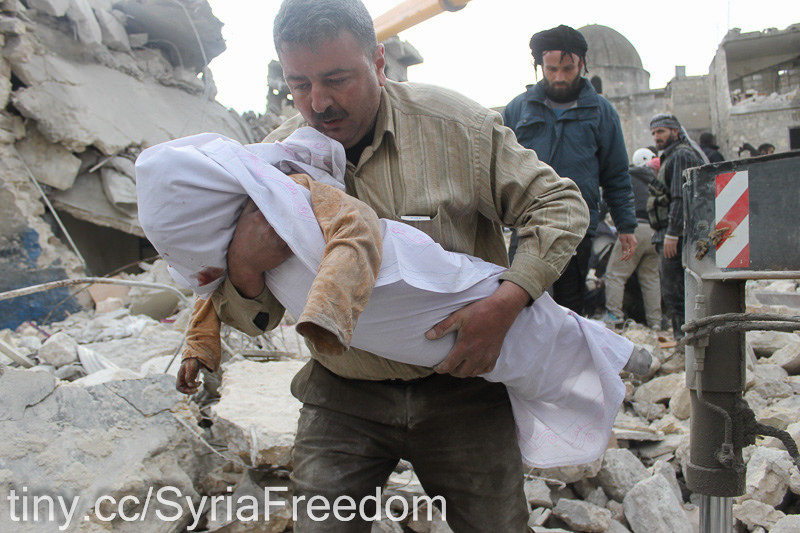
We are witnessing the horror of war. We see it every day, with fresh pictures of refugees risking their lives on the sea, rather than risking death by shrapnel, bombs, assassination or enslavement. For the past four years, over 11 million Syrians have left their homes; 4 million of them have left Syria altogether. Each day thousands attempt to get to a safer place, a better life for themselves and their children. Each day, the politics of resettlement and the fear of terrorism play their part. The last major resettlement campaign in the US came after the Vietnam War. Over a 20-year period 2...

The Iran deal is the hot topic now, but since I wrote on the subject recently in another venue, I thought I would address the Greek/Euro crisis. I can’t help but borrow a bit of Josh’s title on the subject because it describes so well the situation in Europe. A lot of people are piling in on the Europeans. While I have not read all the analysis on the crisis, I suspect much of it is economically oriented. Ben Bernanke, for example, thinks Europe is failing to uphold its end of the deal by delivering equitable economic growth. Stephen Walt thinks Europe is in for a tough time mostly for...
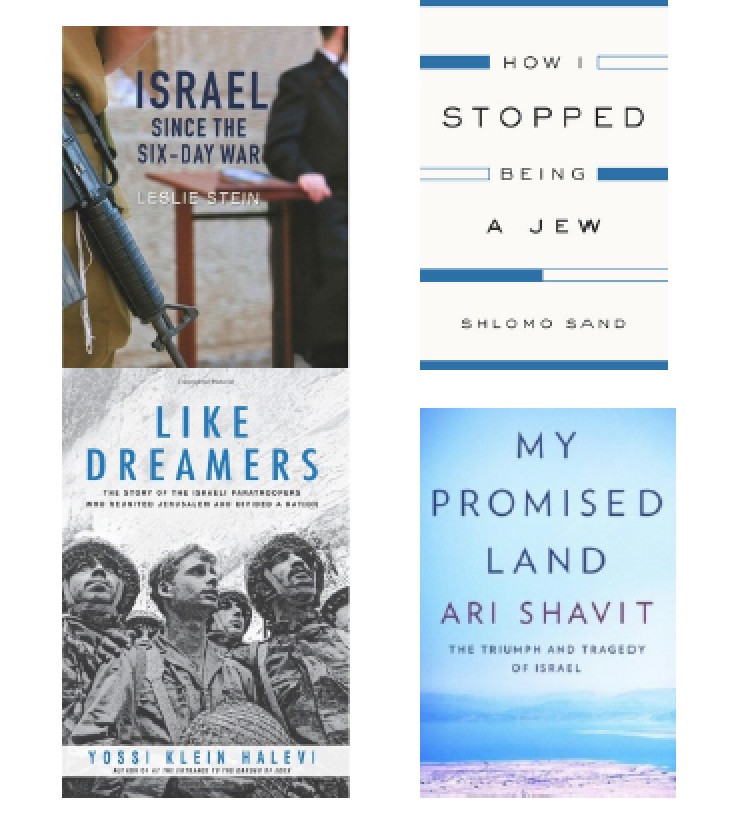
This is a guest post from Mira Sucharov, an Associate Professor at Carleton University. Particularly in areas of contested politics — controversial policy issues, protracted conflict, clashing narratives, and the like — how much responsibility do authors have to remain unbiased? It’s a problematic word, bias. It’s almost always used either in the context of accusation or in ingratiating self-deprecation. But what if we shift from the term bias to the more encompassing — and less value-laden term — subjectivity? I recently reviewed four books on Israel and Israeli-Palestinian relations for...
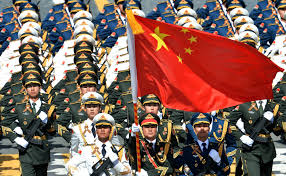
In late May, the People’s Republic of China (PRC) released a white paper on China’s Military Strategy. This public release is the first of its kind, and it has received relatively little attention in the broader media. While much of the strategy is of no big surprise (broad and sweeping claims to reunification of Taiwan with mainland China, China’s rights to territorial integrity, self-defense of “China’s reefs and islands,” a nod to “provocative actions” by some of its “offshore neighbors” (read Japan)), there was one part of the strategy that calls for a little more scrutiny:...