It's a nostalgia episode for our two hosts, Patrick and Dan. They tackle Mustafa Emirbayer's 1997 article in the American Journal of Sociology, "Manifesto for a Relational Sociology." According to Emirbayer, "Sociologists today are faced with a...
This is a guest post by Summer Marion, a Pre-Doctoral Fellow at Harvard Humanitarian Initiative and Northeastern University, where she is a PhD candidate in Political Science. Her research examines...
A quick update to my series from last week. The coronavirus has not been contained to China, and there are now nearly 1000 cases in South Korea, 270 in Italy, and 60 in Iran. Health experts and...
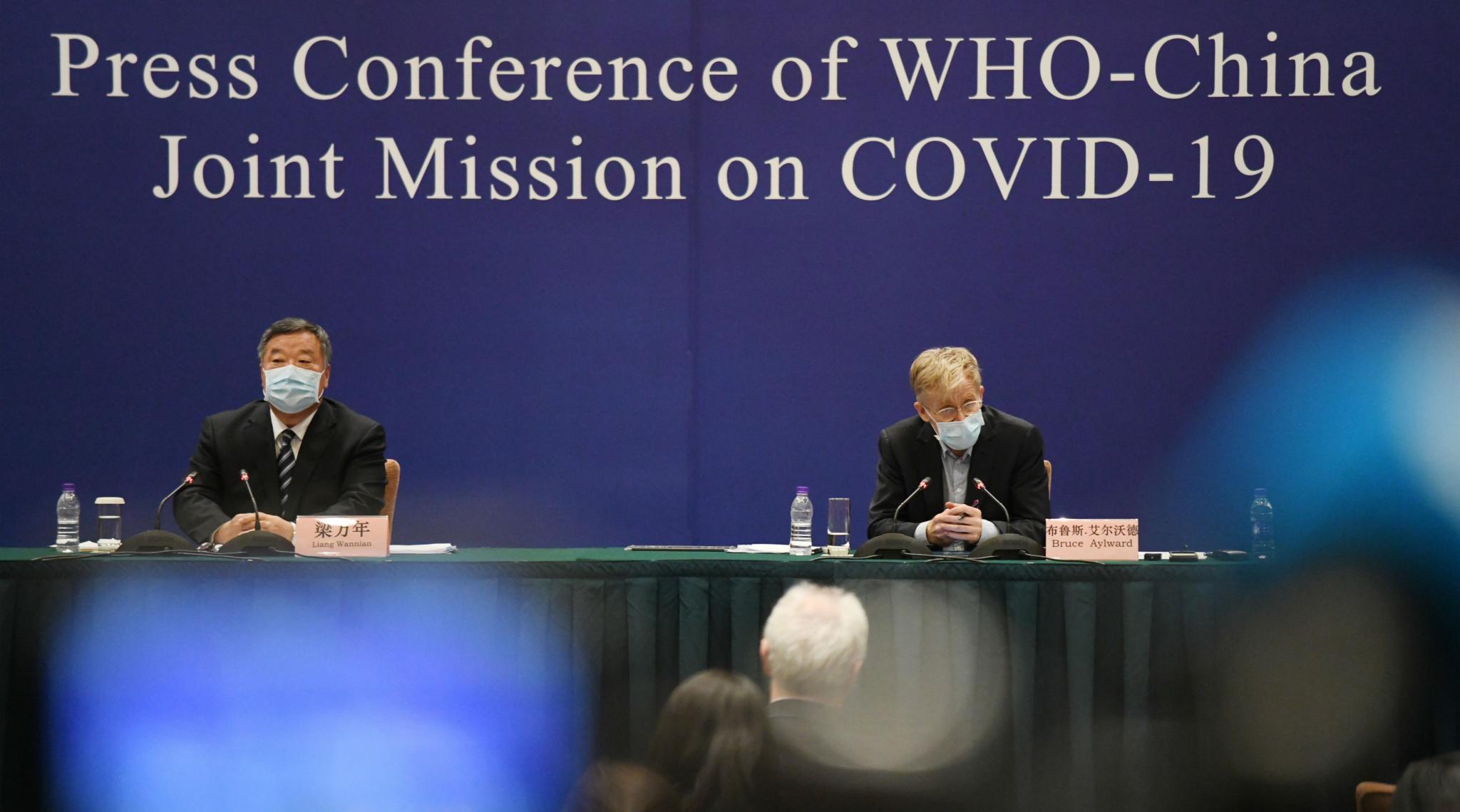
On the same day that the World Health Organization said that there were now only 889 new cases of the coronavirus in China (down from 1749 on Wednesday), there were also reports of new outbreaks in...
I have enjoyed the recent exchange between Kroenig and Sechser & Fuhrmann (see here, here, and here). One interesting point that came up regards the role of conventional military capabilities in determining crisis outcomes. Kroenig says that the MCT data S&F analyze must be flawed...
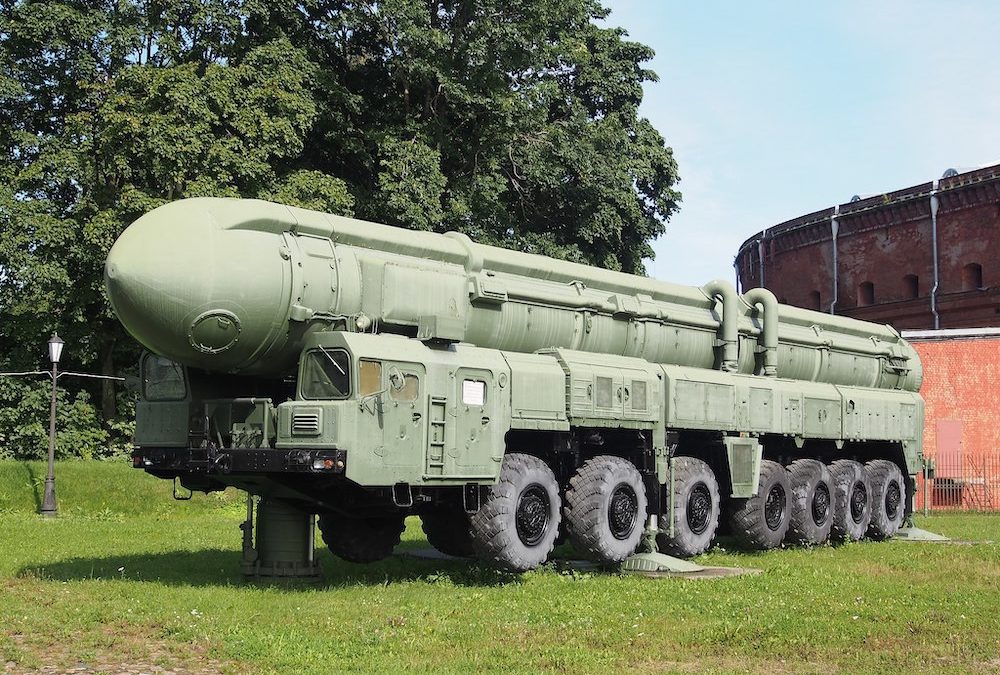
Nuclear weapons may be useful for deterrence, but can they also coerce? Our theories reach opposite conclusions: we say no; Kroenig says yes. Both sides marshal evidence to support their arguments. So who is right? Our goal in this post is to evaluate Kroenig’s empirical results and respond to his critique of our article.
About a month ago I wrote that: The recent obsession with MOOCs has its roots in three interlocking trends: the application of business-school speak to higher education, technology fetishism, and the quest to push down labor costs. It wouldn’t be too much of an exaggeration to say that these are...
Here is your Thursday Morning Linkage with some categories for helpful reading... Global Economy Cyprus and EU avert financial catastrophe but EU looks like "gang that can't shoot straight" Krugman recommends Cyprus exit from the Euro Energy and the Environment Wildlife returns to Guyana CFR hosts...
Dan Trombly worries about the effectiveness of proxy warfare in Syria. Drone reconnaissance aids archeology. Chinese missile porn. US policy toward Bahrain. Did the US once save Hugo Chávez's life? Colin Dueck thinks that the US is strategically overextended. Andrew Yeo looks at the NRA and...
One point that I'd like to see made a little bit more clearly is that political scientists should try to reframe this. I doubt that we have much sympathy among members of other disciplines; that quote about "first they came for the X" is troubling precisely because, well, nobody stands up for the...
A very restricted number of links today: Jennifer Victor lays out the strategy for an effective lobbying effort for political science. [The Mischiefs of Faction] Phil Schrodt delivers a sensible assessment of the state of play, including a warning about vitriol and a savage critique of the APSA....
Much ado. Investors keep getting burned in betting on the exit of members of the Eurozone, let alone the breakup of the currency/monetary union of the EU. And econ/business experts keep getting their predictions wrong. The simple reason: the EU, from its econ/financial area to the vast array...
This is a guest post by Konstantinos Travlos of the University of Illinois and Brandon Valeriano of the University of Glasgow. The mark of the ten year anniversary of the beginning of the US invasion of Iraq in 2003 has been, as such anniversaries tend to be, a chance for scholars, pundits and...
Todd Sechser and Matthew Fuhrmann argue that possessing nuclear weapons confers few benefits for coercive diplomacy.
Matt Kroenig argues that states should strive for nuclear superiority as it confers strategic advantages.
Catch my prescient NCAA prediction at the beginning.