The Bidens are serving the Macrons US-made wine and cheese. A cute gesture or a clumsy diplomatic move?
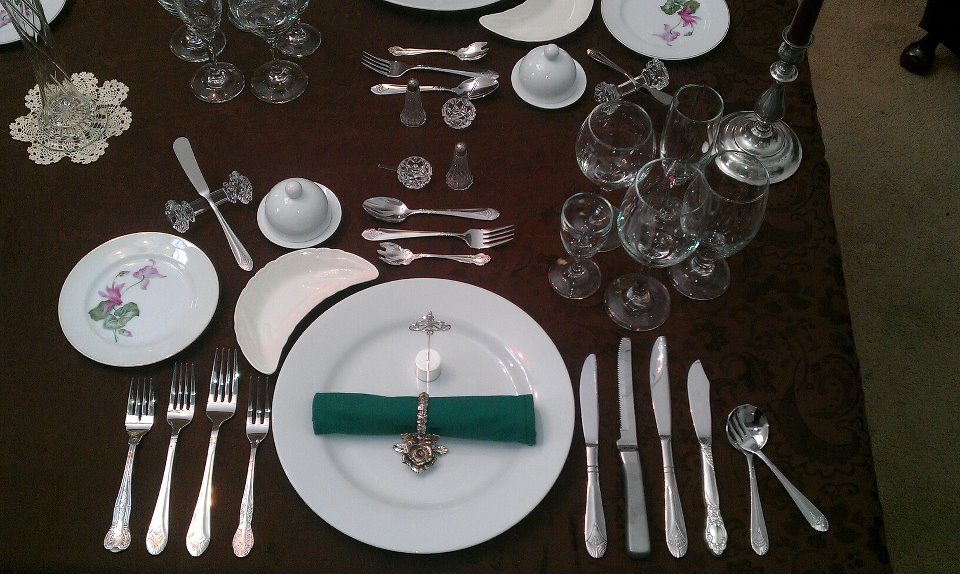
Say “cheese”!
read more
The Bidens are serving the Macrons US-made wine and cheese. A cute gesture or a clumsy diplomatic move?

This is a guest post from Matt Evans (mevans8@nwacc.edu), who is Associate Professor of Political Science at Northwest Arkansas Community College. His words represent his own opinions as an...
Public Domain — From Pixabay For caveats and background, see my introductory post. Editors write a lot of decision letters. At high-volume journals, editors write so many decision letters that it...
This is a guest post from James Guild who is a PhD candidate in political economy at the S. Rajaratnam School of International Studies in Singapore. His research interest is economic growth and...
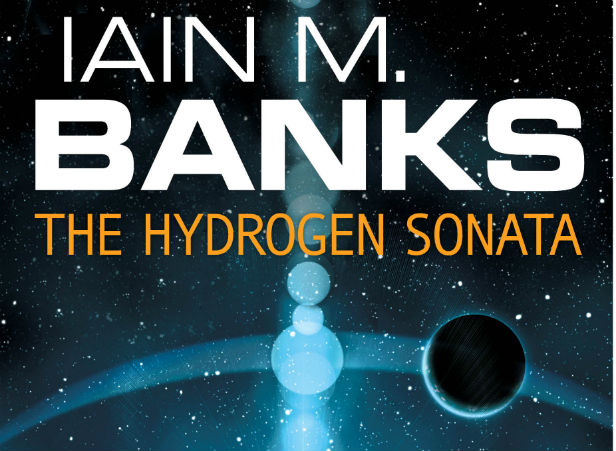
This post exists to collect all the links from our Forum on Iain M. Banks' The Hydrogen Sonata into one coherent place: Chris Brown: A Triumphant Return to Form | Gerard van der Ree: Learning from Utopia | Iver B. Neumann: Religion and the Sublime | Patrick Thaddeus...
Iain M. Banks reacts to the symposium on his book, The Hydrogen Sonata.
In my first post after signing on with "Team Duck" I thought, before jumping into a series of weighty topics--rise of the east, end of the west, cratering of the middle east--it might be worth reflecting a little on my sojourn as a policymaker after beginning my career as a Political Scientist. As...
Today, the Human Rights Campaign celebrated the two-year anniversary of President Obama signing the repeal of "don't ask, don't tell," a move that officially allowed lesbians, gays, and bisexuals to serve openly in the United States military. Soon after, I wrote a blog post suggesting that, while...
Let's start with some more Erik Loomis blogging. Doktor Zoom at Wonkette provides a snarky take on head-on-a-stick gate, while Crooked Timber provides a forum for an interesting debate over the various issues at stake. Both point to an underlying dynamic at work: that this is fairly boilerplate...
The Culture novels have long been concerned with the interplay of simulation, simulacrum, religion, and materialism.
So the Culture appears to both want to pursue this knowledge for the sheer joy of knowing, and for the contribution that knowledge can make to deciding on a course of action. Both constitute recognizable grounds for action, both in the Culture and in our world, but as the novel unfolds, both are called into question.
If you haven't seen it, I did a (text) interview with SAGE about academic blogging and the awards. This was the source of my sense of déjà vu during my discussion with Rob Farley: some of the points overlap. Regardless, time is growing short. Here's where things stand: Nominees for Best Blog...
General Warning: this is emphatically not a spoiler-free Forum! Hence all of the text all of the contributions will be safely below the fold, and only the identifying information for the author of the contribution will be here for even causal browsers to see. If we are to begin with author...
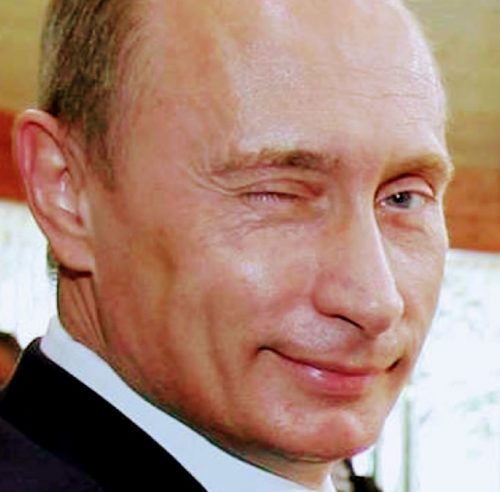
Some random findings for the day.... Putin's idea of transparency. Look for more private security firms profiting in the post-Benghazi world... Also, the IDF's use of Twitter during its recent operation in Gaza was just the beginning. The Naval Postgraduate School is working on Dynamic Twitter...
Three particular themes stand out when reading The Hydrogen Sonata as a utopian narrative. The first is that whatever happens, politics seem to be an inevitable feature of human life. Second, that however advanced technology may become, nothing beats human communication. Third, that purpose is essential.
General Warning: this is emphatically not a spoiler-free Forum! Hence all of the text all of the contributions will be safely below the fold, and only the identifying information for the author of the contribution will be here for even causal browsers to see. Chris Brown is Professor of...