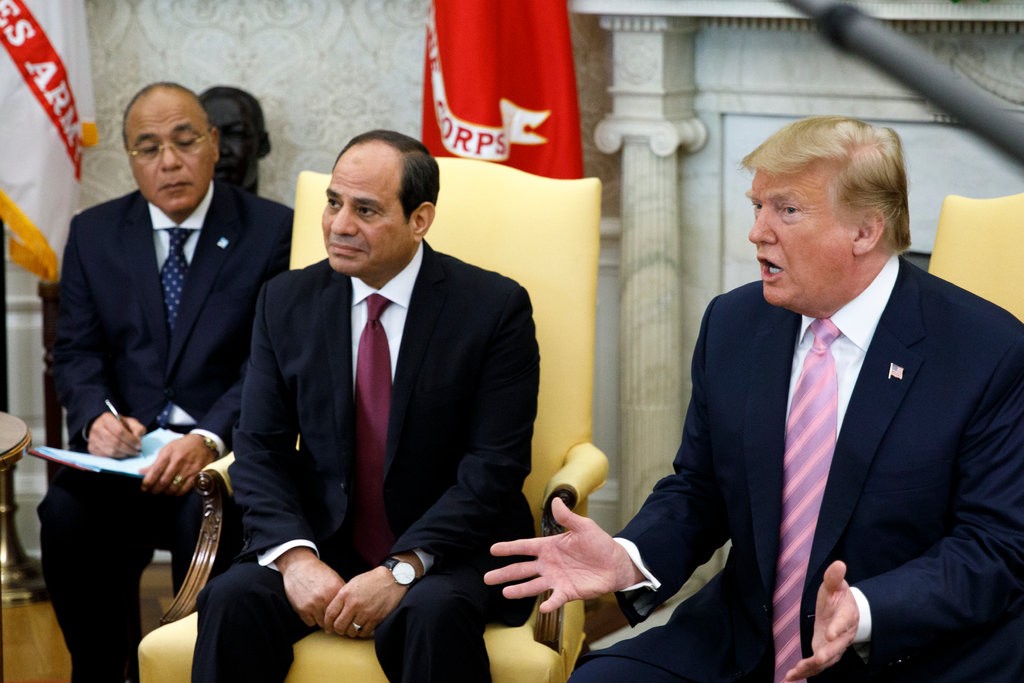
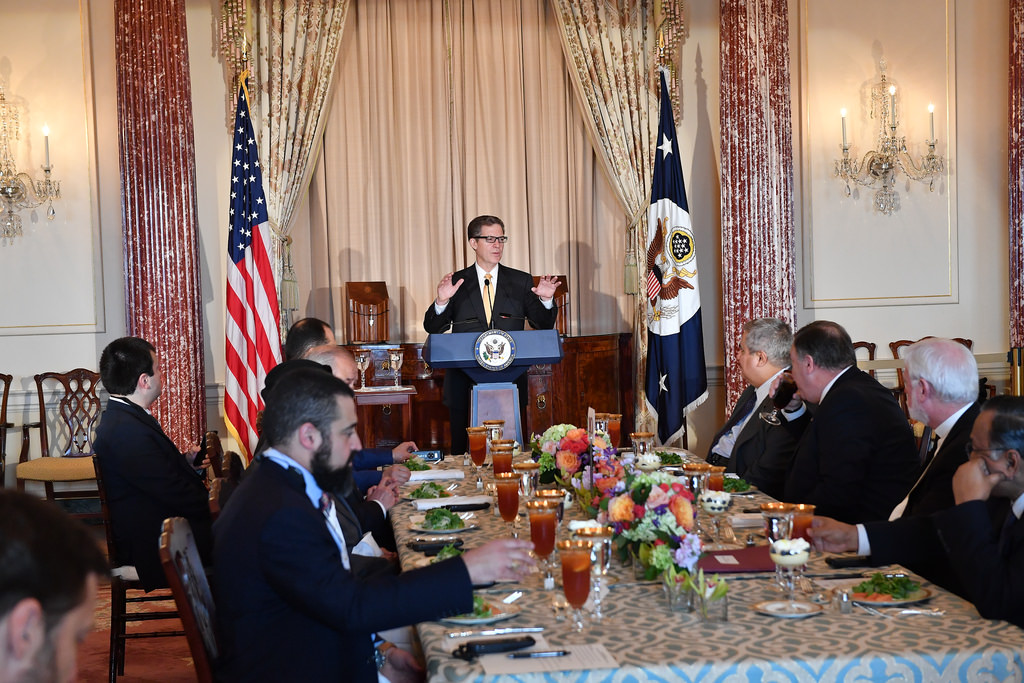
This has been either a bad week for Israel, or a great week for Israel, depending on whom you ask or what your Twitter feed looks like. In the end, this may matter more for the relevance and impact of Middle East studies than anything else.
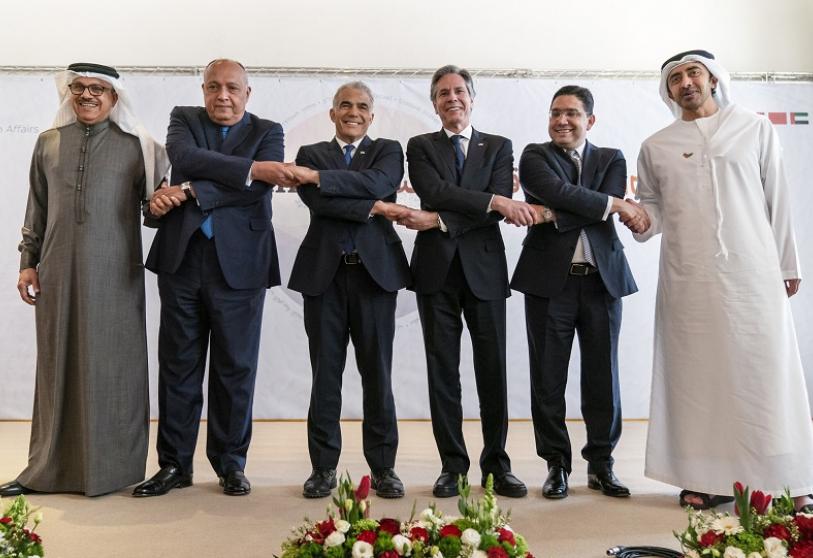
One of the (many) concerns about the Trump Administration's foreign policy is the impact it will have on US influence around the world. Will Trump's rhetoric and actions restore US dominance in the...
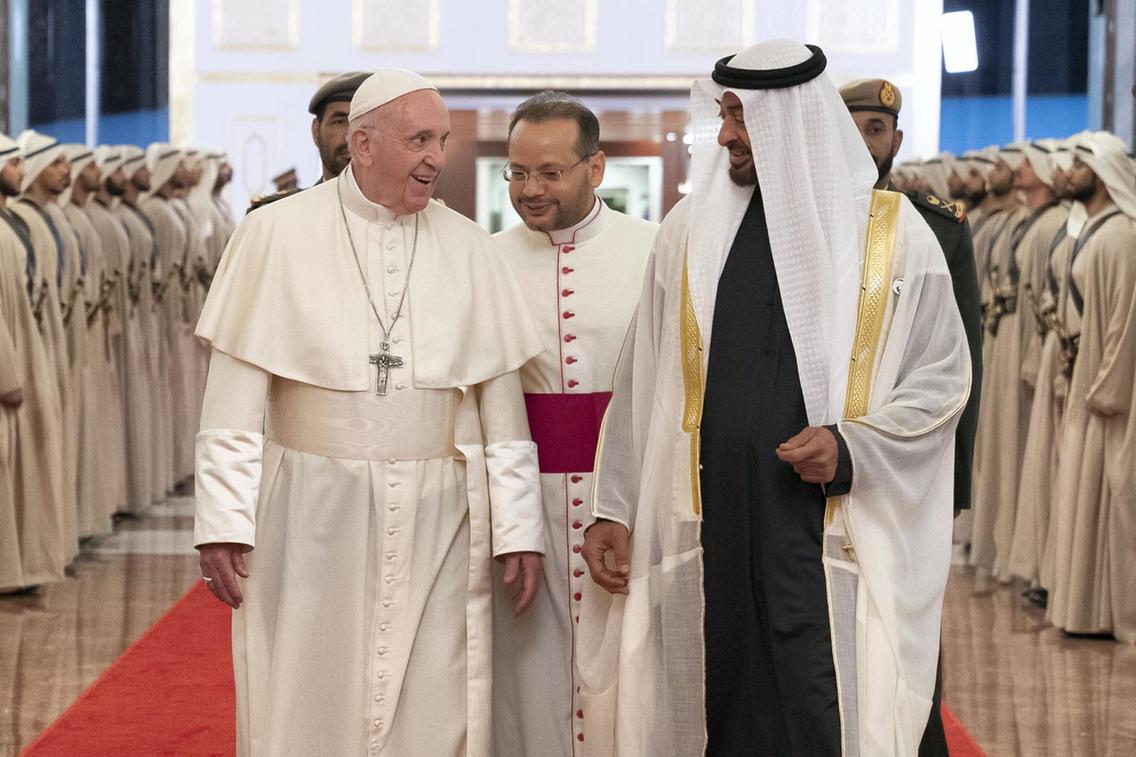
Pope Francis recently visited the United Arab Emirates (UAE). His trip is historic, not just because it's the first by the head of the Roman Catholic Church. He will also lead an outdoor mass, the...
There was some interesting/concerning information hidden at the end of the New York Times coverage of Secretary of State Pompeo’s Cairo speech. After criticizing Obama’s foreign policy and calling...
Nobody has come close to explaining how strategic narratives work in international relations, despite the term being banded about. Monroe Price wrote a great article in the Huffington Post yesterday that moves the debate forward. As I have already written, strategic narratives are state-led projections of a sequence of events and identities, a tool through which political leaders try to give meaning to past, present and future in a way that justifies what they want to do. Getting others at home or abroad to accept or align with your narrative is a way to influence their behaviour. But like...
Building on Dan's observation this past week, Theo McLauchlin is a PhD student at McGill University offers us some insights on the role of the military in the various Arab revolutions we're witnessing. He works in the area of military defections and civil wars.Which Middle Eastern regimes seem liable to fall? That's a popular question these days, and an important answer, as Dan Nexon points out, is that it depends on each country's armed forces. But what they are likely to do is something most people don't seem inclined to speculate about. That caution is warranted, as I'll argue below. But...
Congressional hand-wringing over America’s inability to forecast the Egyptian and Tunisian revolts is unsurprising given the foreign policy hubris that dominates in Washington today. How can it be, the cry goes out, that America, was blindsided by these earthshaking events? Doesn’t “exceptional” America see further and act more wisely than other nations? Sadly, that arrogant and delusional mindset is unlikely to be changed even by this latest “intelligence” failure. Rather than questioning whether anyone could have predicted this kind of event—let alone whether we should be trying to...
Apparently separate and relatively peaceful revolutions have now toppled dictatorial regimes in two North African states. What provoked these events? While there are a wide range of political and economic factors as well as organizations that had been building for years, the proximate causes that triggered the call for protests were quite similar.A cartoon by Carlos Latuff depicting the lateKhaled Said's revenge on President Hosni MubarakThe trigger for both events can be traced to two individuals. The outrage that started the January 25th revolution in Egypt was the brutal death of a 28...
Marc Lynch calls Mubarak's speech "The Worst Speech Ever." His assessment: With the whole world watching, Mubarak instead offered a meandering, confused speech promising vague Constitutional changes and defiance of foreign pressure. He offered a vaguely worded delegation of power to Vice President Omar Suleiman, long after everyone in Egypt had stopped listening. It is virtually impossible to conceive of a more poorly conceived or executed speech. Maybe, but watching Mubarak tonight reminded me of watching the delusional Nicolae and Elena Ceausescu in Nicolae's last speech on December 21,...
President Obama expressed a general sense of relief tonight that the Egyptian military
Is "people power" contagious? It's easy to find examples of journalists, policymakers and/or analysts, and some scholars arguing that opposition to authoritarian rule is spreading like a winter virus from Tunisia to Egypt and Yemen. In this case, many optimists argue (though some merely hope) that the viral idea will result in more democratic governance for millions of people that have long lived under autocratic rule. Moreover, many think (or hope) that the contagion will spread to other similar states with large Arab or Muslim populations.However, the skeptics and pessimists have keyboards...