Initial speculation about Nord Stream reveals both the strengths and limitations of using international-relations models to make sense of unfolding events
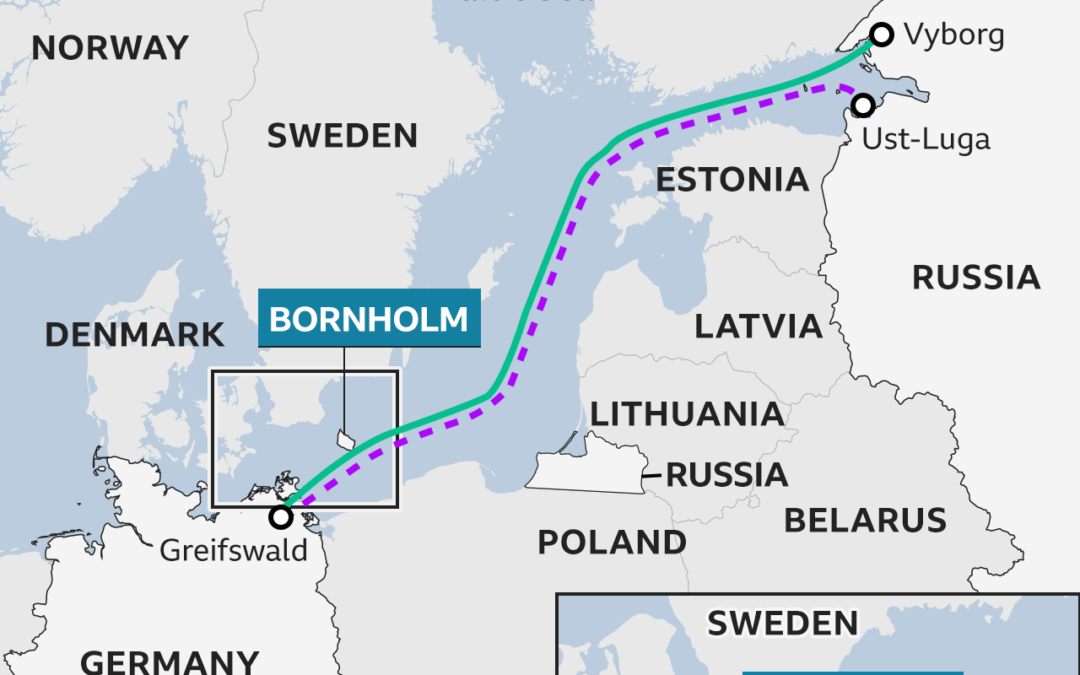
Why Would Putin Sabotage Nord Stream?
read more
Initial speculation about Nord Stream reveals both the strengths and limitations of using international-relations models to make sense of unfolding events

Dozens of regimes around the world are anti-liberal—autocratic to varying degrees—but also big fans of a "rules-based" international order, which for the past 50 years or so has been...
Like many, I've finally gotten back on schedule after the American Political Science Association conference last week. The travel was easier for me than most others; the site, Montreal, is only two...
I was on a refreshingly contrarian panel recently as part of Victoria Forum, this big shindig in Canada (at University of Victoria in British Columbia, not to be confused with Victoria University of...
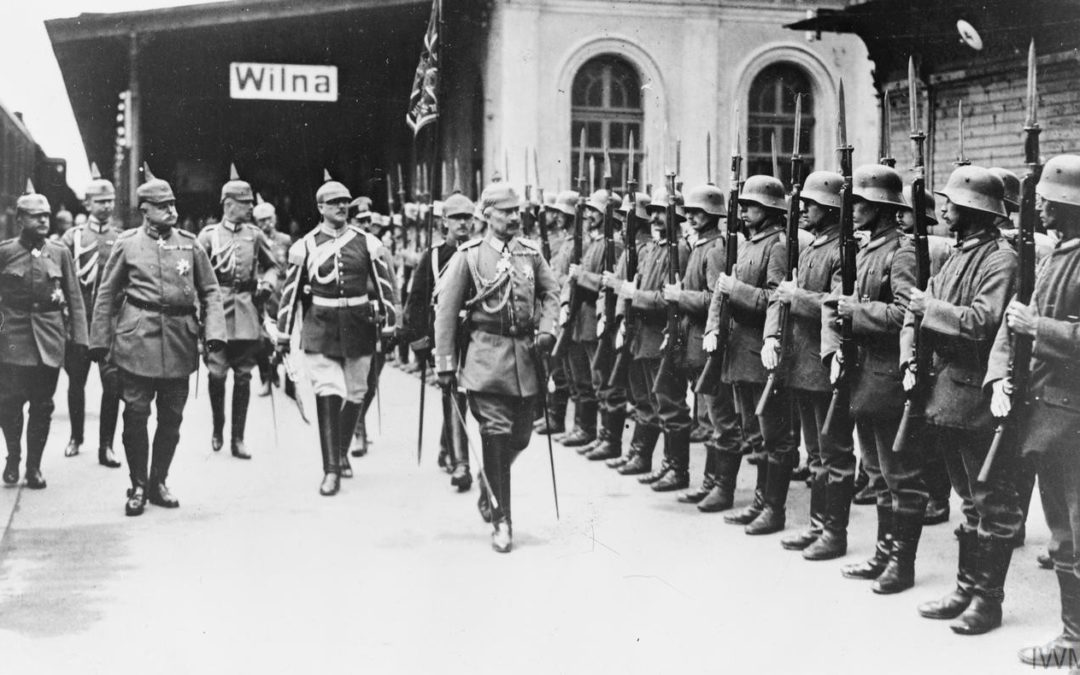
Some more excerpts from G. Loews Dickinson’s writings on international affairs.

It’s no surprise that current events regularly lead us to update our syllabi. That doesn’t mean we can’t make “surprise” an important feature of our courses.
Rather than accept subordination to the Ming and Qing, Southeast Asian states contested Chinese international ordering in the early modern period.
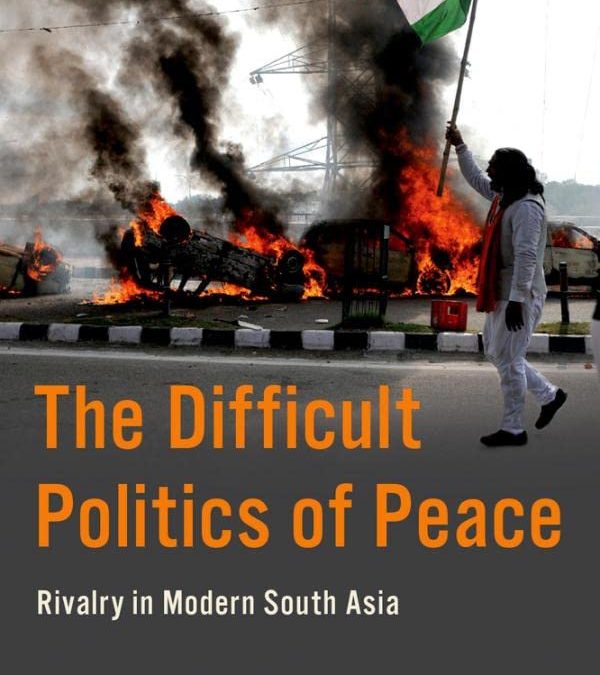
Christopher Clary on his new book, which looks at why international rivalry is a hard habit to break.

Waves of global crises have generated challenges in nearly every corner of human life. Catastrophic climate change, an ever-morphing global pandemic, widening democratic decline, rising economic inequality, increasing violence, geopolitical rivalry, and war join deeply entrenched systemic racism and sexism to create a toxic cocktail. How can “experts” productively engage at this moment? Practitioners often seek out guidance from experts during upheavals like ours, but policy-engaged scholars face dilemmas that complicate their response. To begin, crises are often the product of complex,...
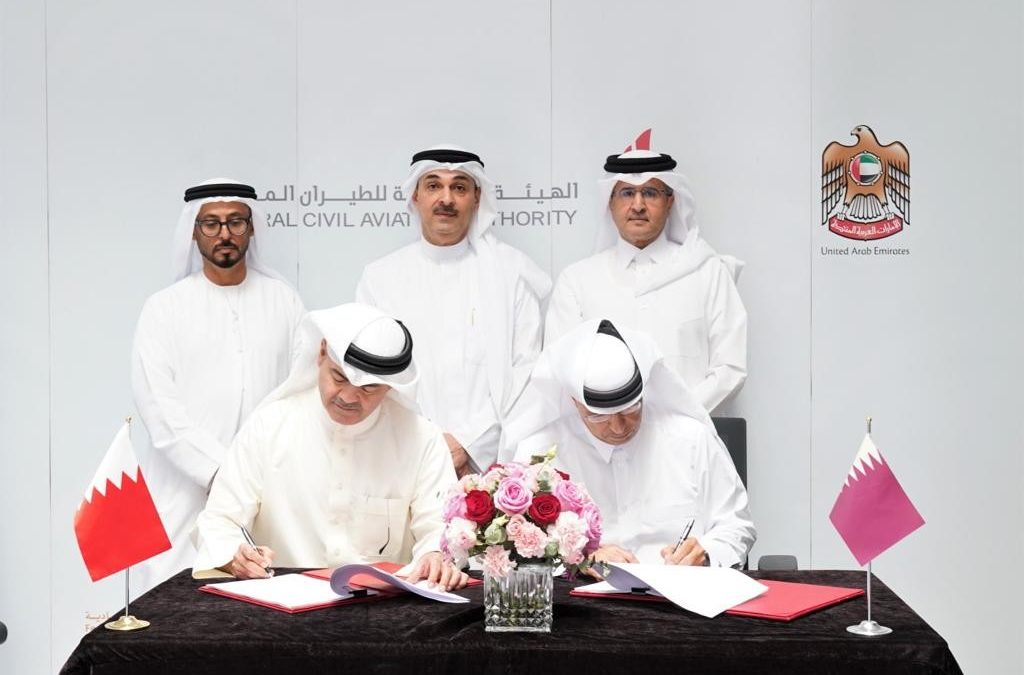
The Qatar crisis threatened to upend Middle East politics. Instead, it fizzled out. That says a lot about international relations, and how to study it. In June 2017, Saudi Arabia and the UAE--along with a few other states--announced a blockade of Qatar. Frustrated with Qatar's tolerance of revolutionary actors during the Arab Spring protests and relative friendliness with Iran, these states cut Qatar off from international travel and commerce. They issued a series of demands, including ending support for groups the Saudis deemed extremist and limiting ties with Iran. [sc name="left_call_out"...