Even when Latin Americans are allowed to speak, IR scholars and practitioners do not listen to them due to the language in which they produce knowledge, epistemic violence and access barriers.
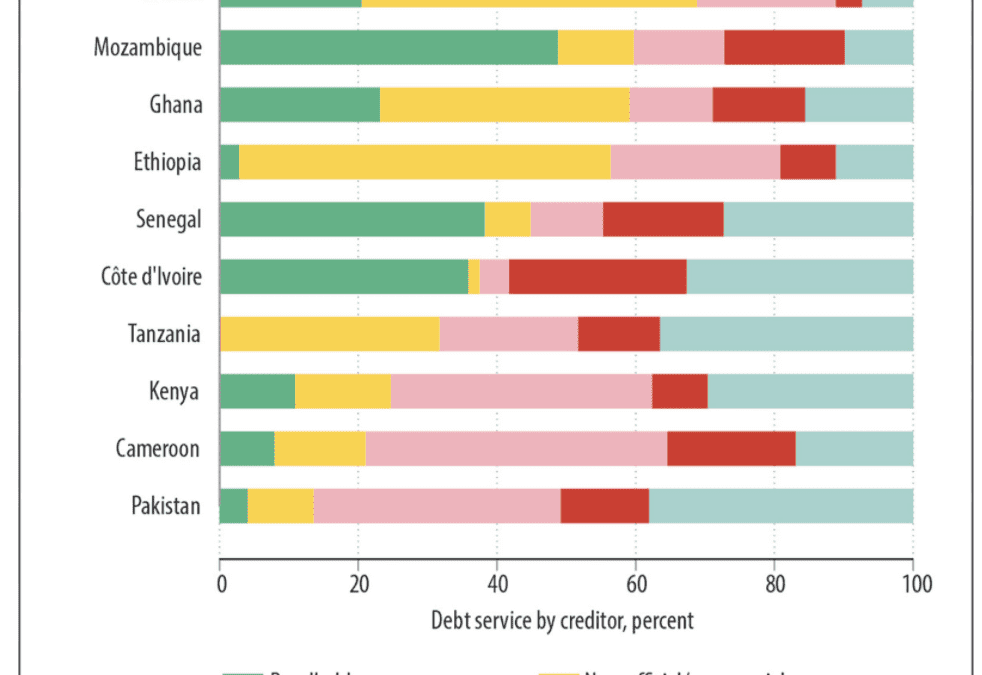
As access to vaccines continues to hamper developing countries’ response to the COVID-19 pandemic, many of these countries also face significant public debt burdens. The Debt Service Suspension...
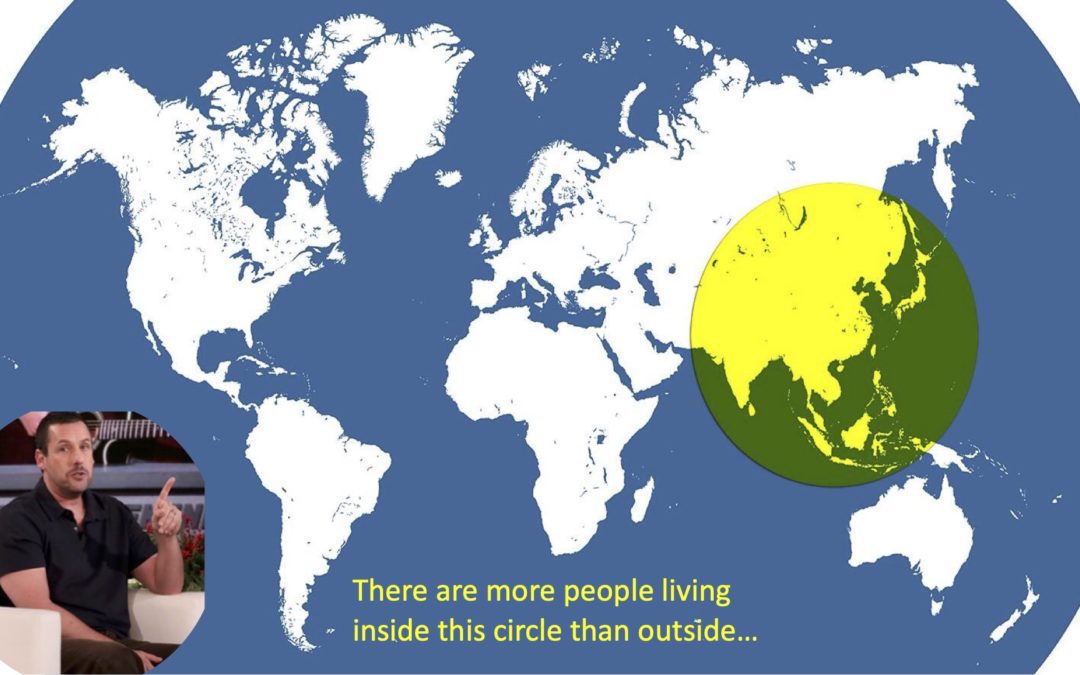
Film critics have approached Adam Sandler’s films the same way that IR scholars have analyzed the rise and fall of the Liberal International Order (LIO)
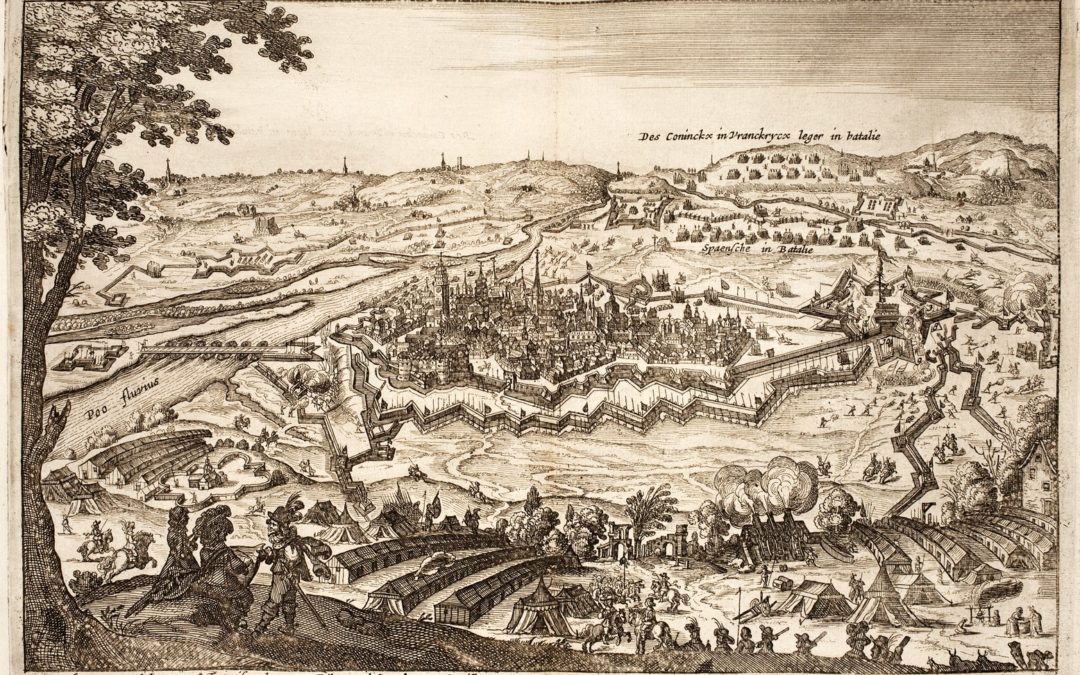
Did the study of state formation ever lose its religion? There’s a new wave of interest in the Catholic Church as an institutional formation.
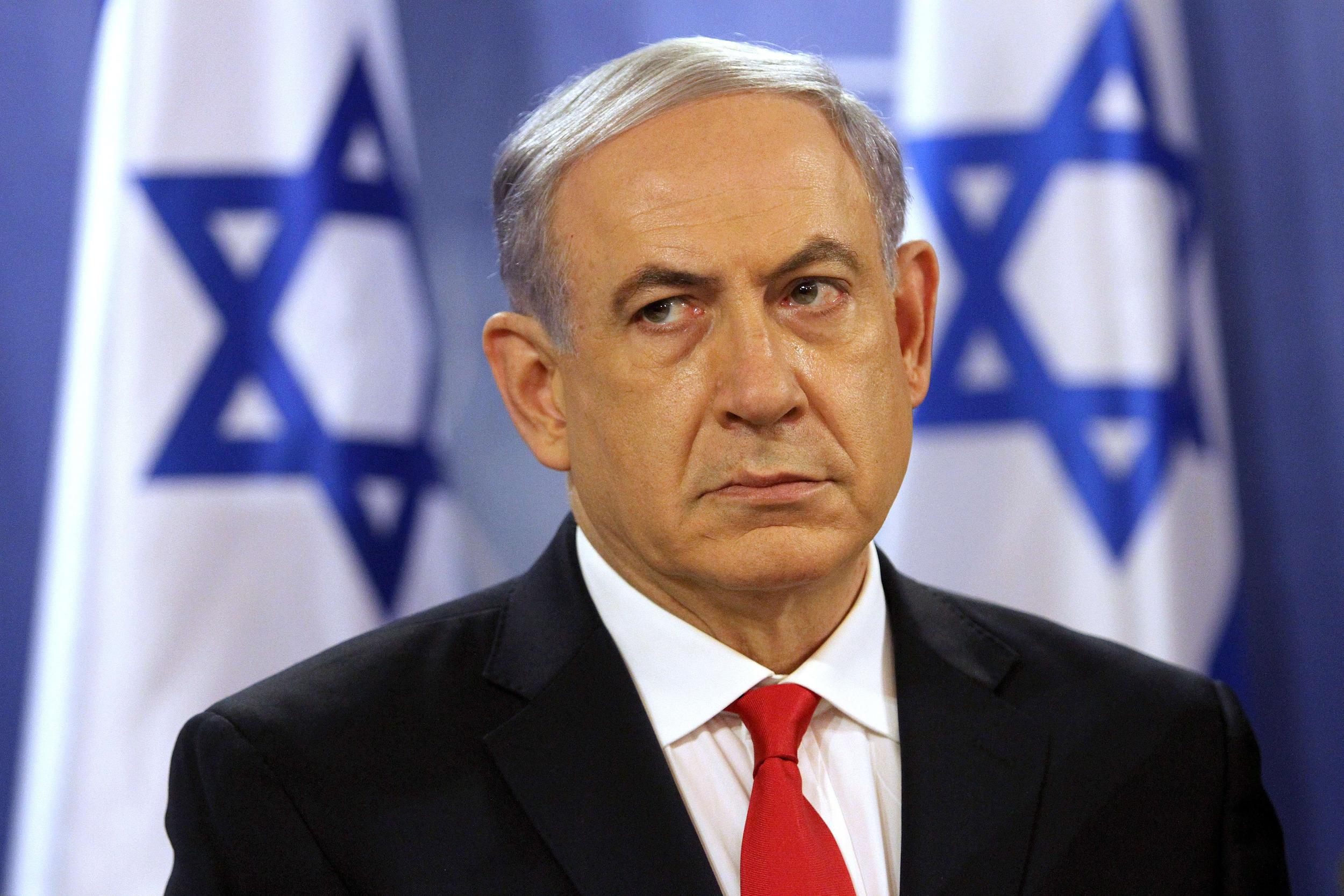
Israeli Prime Minister Benjamin Netanyahu’s looming address to the United States Congress has me thinking about the nature of authority in security. I think this is an issue that often gets overlooked, especially in security studies where the materiality of power (i.e. the ability o blow things up) takes up most of our collective attention. Certainly, Netanyahu seeks to make a security claim in his argument against the possibility of a deal between the United States and Iran over the latter’s nuclear program. But in so doing Netanyahu is on relatively thin ground. In most domestic contexts...
From 1997 to 1999, I served in the Peace Corps in the Andean country of Ecuador. Ecuador is rich with contrasts. With the Galapagos, the Andes, and parts of the Amazon, the country possesses stunning natural beauty. The people have an incredible generosity of spirit, yet the country is riven by racial and regional differences. Until recently, high oil prices papered over some of these differences, but the president, Rafael Correa, is a left wing populist in the tradition of Hugo Chavez. He has taken to castigating his domestic on-line critics through television naming and shaming efforts...
When I arrived as an incoming graduate student at Ohio State University, I was labeled a realist since I studied extensively under John J. Mearsheimer at the University of Chicago. And despite the fact that I find such labeling exercises rather silly (plus, my advisor at both Chicago and OSU was actually Alex Wendt), there was, and still is, some truth to it. Power does matter in international politics and contrary to many others in our field I think that Mearsheimer’s theory of great power politics does make a lot of sense, and it explains large swaths of international politics throughout...