126 countries now publish a national security strategy or defense document, and 45 of these feature
a leaders’ preambles. How these talk about the world, or not, is surprisingly revealing of historical
global strategic hierarchies.
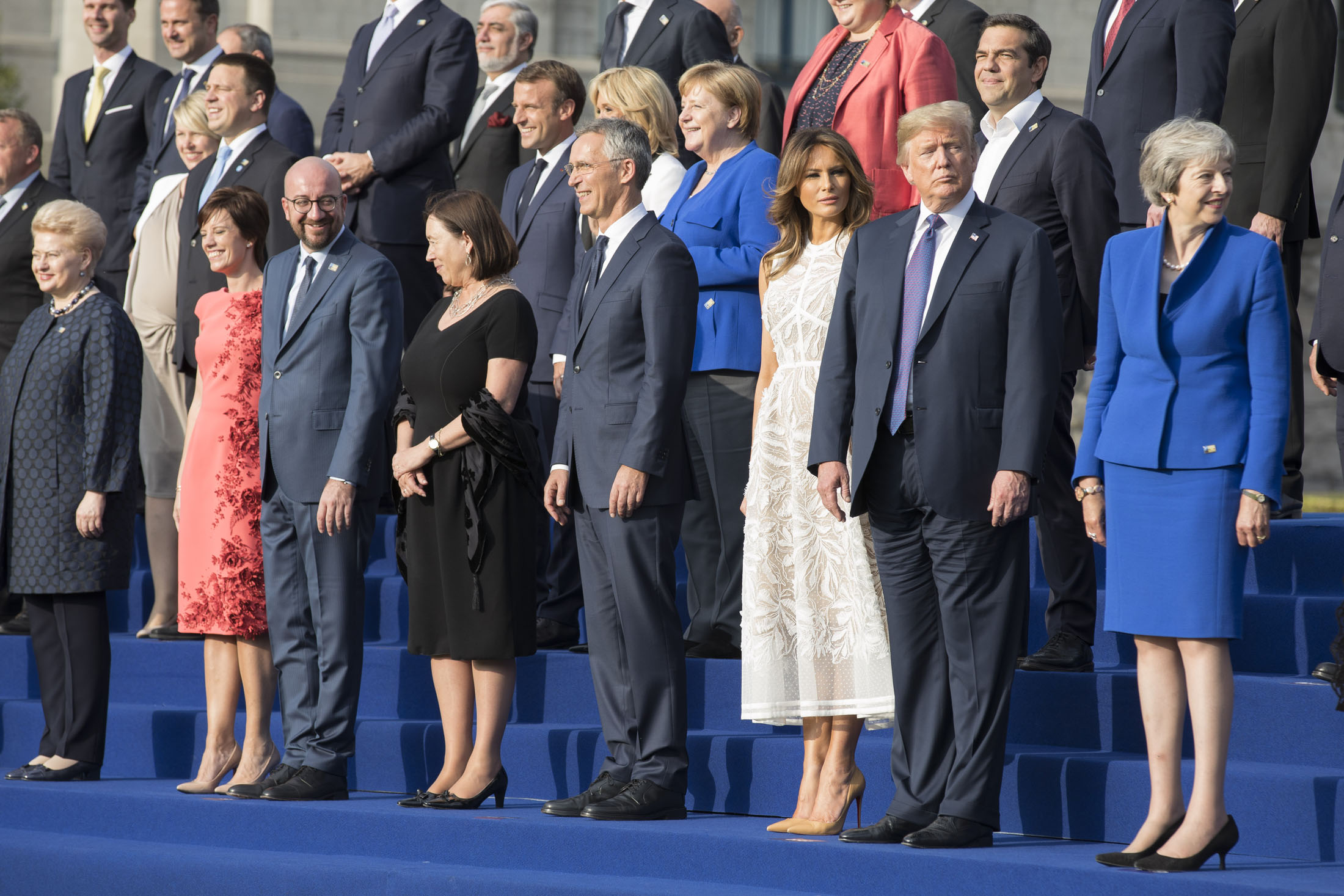
126 countries now publish a national security strategy or defense document, and 45 of these feature
a leaders’ preambles. How these talk about the world, or not, is surprisingly revealing of historical
global strategic hierarchies.

Does China's more ambitious foreign policy and bid for "national rejuvenation" come at America's expense? It's a question where some neoliberals and some on the anti-imperialist left converge — in...
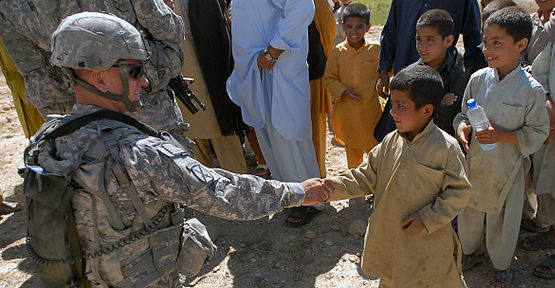
Though unlikely to happen any time soon, recent calls for the US to pay reparations to the Afghan people provide an opportunity to reflect on the complexities of reparations and global justice.
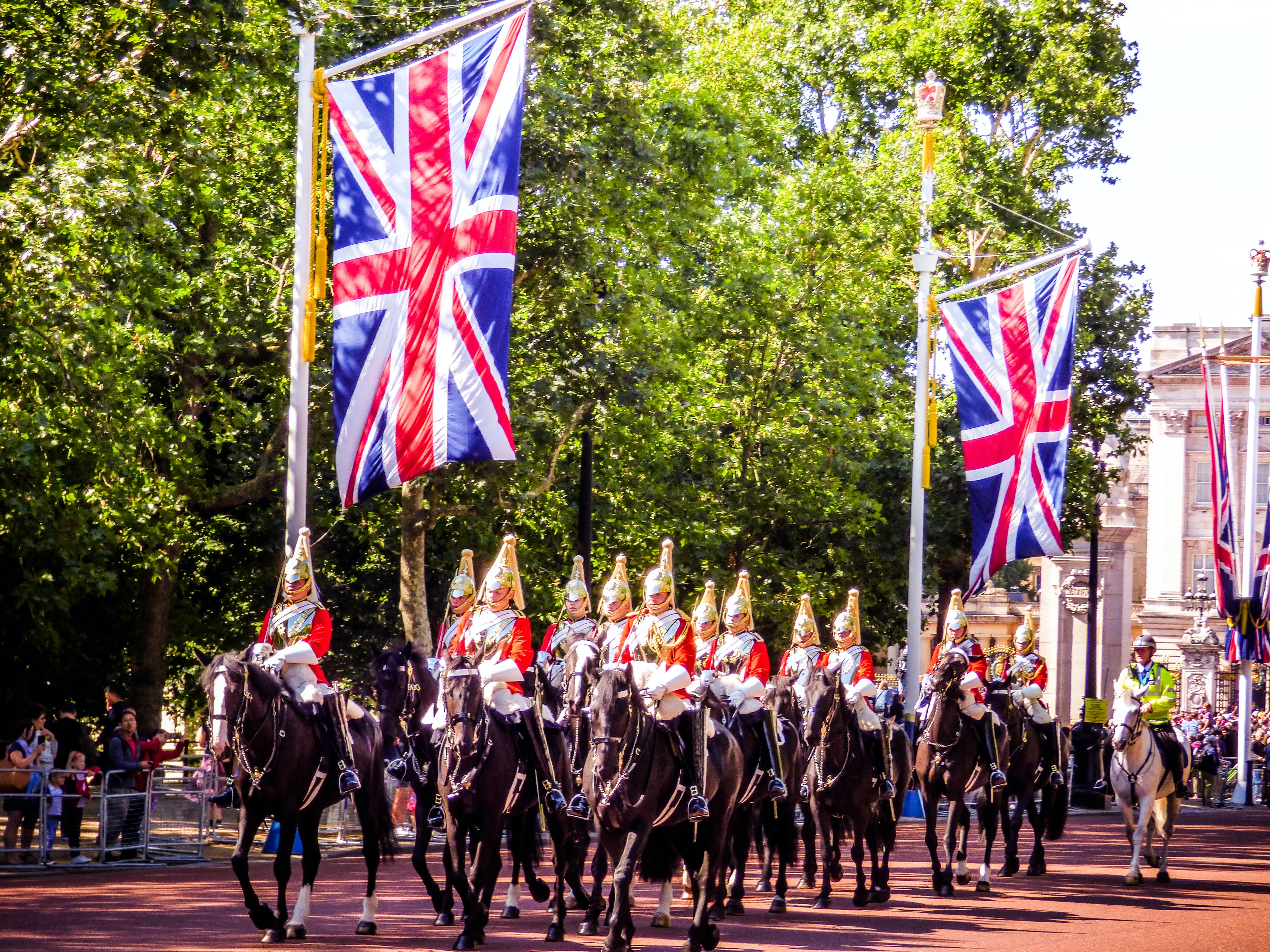
I was just about to block "Afghanistan" as a key word in my Twitter timeline when I saw several people asking why British conservatives were even more freaked out about the U.S. withdrawal from...
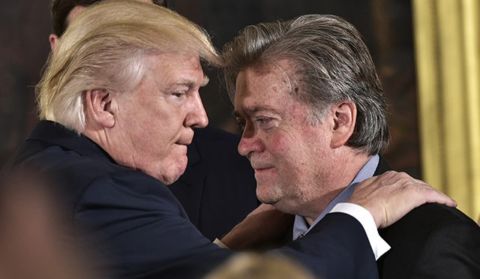
Following his prescient piece from last year, Tom Wright has a provocative new essay on Donald Trump's foreign policy in Politico. He suggests that Trump foreign policy has Jeckyll and Hyde qualities. While Trump (and Bannon) are committed to a radical vision to upend establishment foreign policy, they hold a minority view in the government. To staff his administration, Trump has largely turned to establishments folks like Mattis, Kelly, McMaster, among others. This means that there isn't really anyone to implement that radical vision, leaving Trump's views to express themselves on a few...
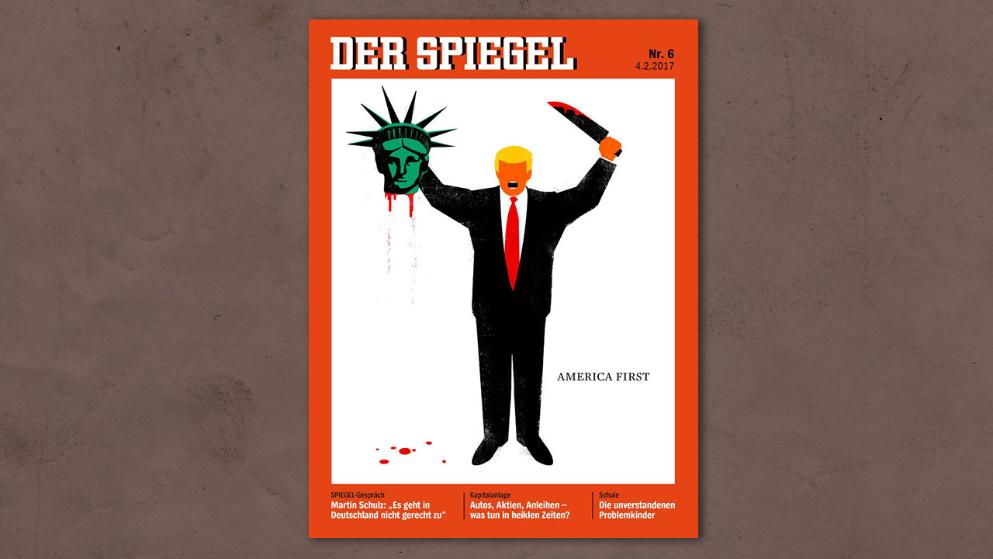
This World Politics in a Time of Populist Nationalism (WPTPN) guest post is written by Simon Frankel Pratt, a doctoral candidate at the University of Toronto. His research is on institutional politics, international norms, and the US's security apparatus. For further information, see his website or find him on Twitter (@simon_the_pratt) Unlike other contributions to this essay series, mine will be somewhat more informal in tone. I am going to share some concepts (and neologisms) that I find helpful for making sense of ‘Trumpism’—by which I mean Trump, his rogues’ gallery (or carnival), and...

Every day it seems we hear more about the advancements of artificial intelligence (AI), the amazing progress in robotics, and the need for greater technological improvements in defense to “offset” potential adversaries. When all three of these arguments get put together, there appears to be some sort of magic alchemy that results in widely fallacious, and I would say pernicious, claims about the future of war. Much of this has to do, ultimately, with a misunderstanding about the limitations of technology as well as an underestimation of human capacities. The prompt for this round of...
Since the U.S. election Iranian-American relations have gone into a rapid tailspin, with Iran reacting to the triumphalist tenor of the Trump campaign and the improvised response of former National Security Advisor Michael Flynn that sought to “put Iran on notice.” The arrival of his replacement in General H.R. McMaster offers the U.S. a fresh opportunity to tone down its approach to Iran, beginning with guarding against any dramatic escalation of the stakes. For unless the Administration is actually willing to go to war with Iran, this confrontation actually won't get the U.S. anywhere...
This is an open letter signed by US international affairs scholars to their fellow citizens. If you hold a PhD in international relations or an extant field and wish to add your name to the list, please tweet #StudytheWorld with your name and institutional affiliation or send this information in an email to ir.scholars.openletter@gmail.com. Dear Fellow Americans, Recently, President Trump tweeted that people should “Study the world!” to understand his foreign policy. As scholars of international relations, we have studied the world, and we are concerned that the actions of the President...
Trump told us we should study the world. IR scholars had something to say about that. Earlier I promised to turn some of these quips into a special blog post, which also happens to be my Ignite talk at this year's Duckies' Awards in Baltimore. Happy #ISA2017.
Abe Newman and I have a piece in Vox on Trump's attempt to pressure allies into spending more on defense. You should ignore the title. The gist of the argument is that, first, there are upsides to having wealthy and technologically advanced allies dependent on the US for their security needs; second, while it would be great to get NATO allies to spend more on defense, this is a very dangerous way to go about doing it; and, third, the benefits of burden-sharing are likely overblown. Since it went live, I've had a few interesting exchanges. One of the claims that we make is that Trump's calls...
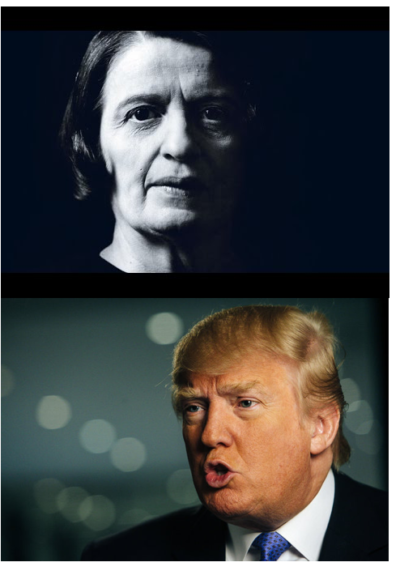
This is a guest post by Zachary C. Shirkey, an Associate Professor of Political Science, Hunter College, CUNY. Attempts by observers to give Trump’s foreign policy some coherence by finding an underlying ideology that motivates it have largely focused on Jacksonianism. Certainly, aspects of Trump’s outlook and those of a number of his advisers fit the description of Jacksonianism. Jacksonians see US interests in white ethno-nationalist terms and they emphasize strength, unilateralism, self-reliance, and coercion. Jacksonians also seize upon simple solutions for complex problems. Early Trump...