Maybe the problem isn’t that scholars don’t know how to speak to U.S. foreign-policy makers, but rather that U.S foreign-policy makers don’t know how to engage with scholarship?
Bridging the Gap to Nowhere?
read more
Maybe the problem isn’t that scholars don’t know how to speak to U.S. foreign-policy makers, but rather that U.S foreign-policy makers don’t know how to engage with scholarship?
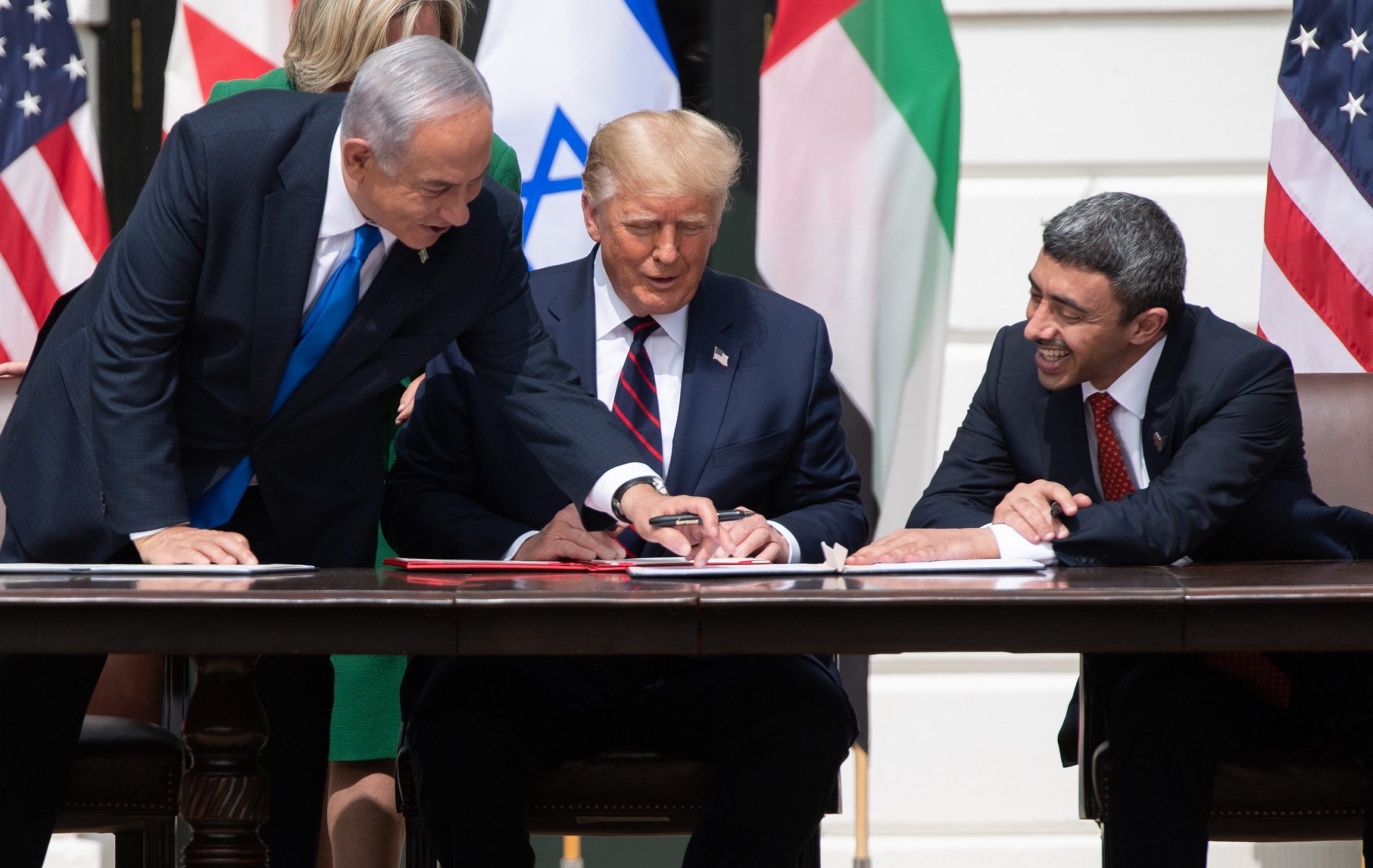
In September, the UAE and Israel signed "the Abraham Accords," normalizing relations between the UAE and Israel. The Trump Administration presented this as if it was equivalent to the Camp David...
This is a guest post by Jeffrey C. Isaac, James H. Rudy Professor of Political Science at Indiana University, Bloomington. You can follow him at his blog at Democracy in Dark Times. Democracy is a...
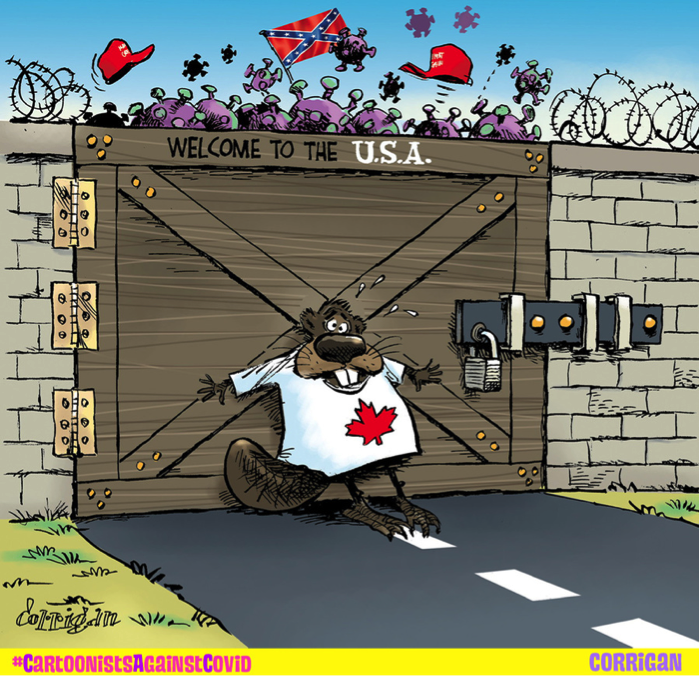
This is a guest post from Jennifer Mustapha and Eric Van Rythoven. Mustapha is an Assistant Professor at Huron University College in London, Ontario and studies the politics of the War on Terror,...
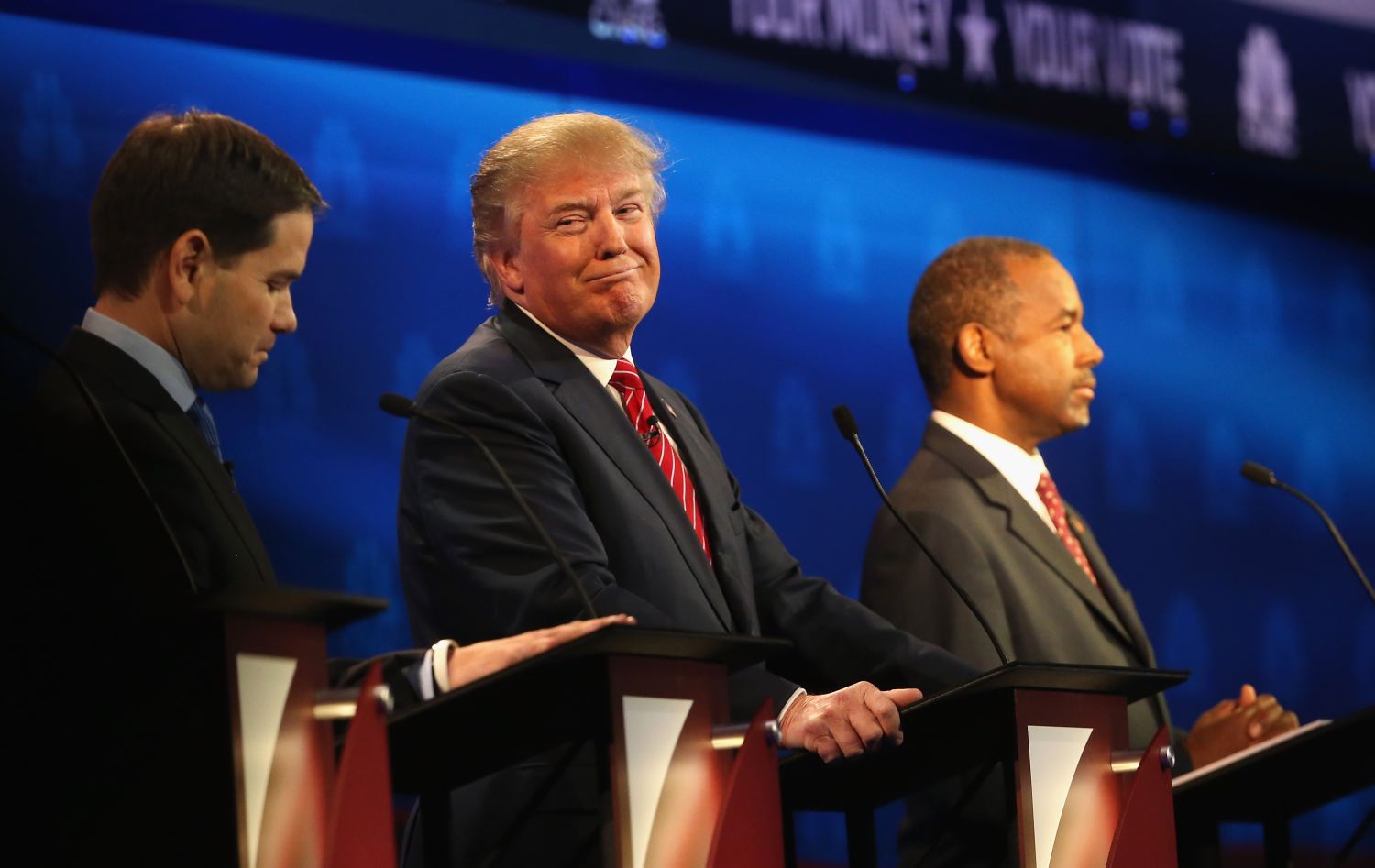
Done. Here is the transcript. You can scour it for an odd line from Christie about "isolationism" or "ISIS." There was a question about climate change which lasted for all of a minute where Christie fumbled something about investing in clean energy but not through the government. There was a bit more in undercard debate, mostly introduced by Lindsey Graham who wanted to talk about defense spending, terrorism, and tie Secretary Clinton to Obama's foreign policy. As usual, Senator Graham was hyping threats "I’ve never seen so many threats to our homeland than I do today." There was actually a...
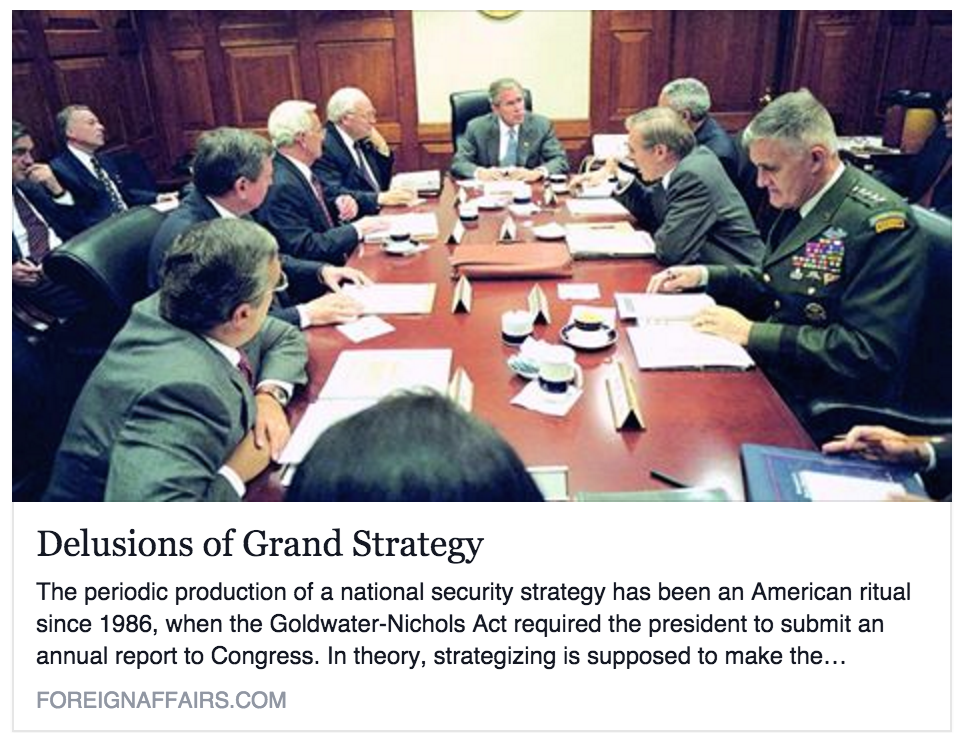
I just read David Edelstein and Ron Krebs' provocative piece ($) in Foreign Affairs on how the practice of grand strategy leads to threat inflation. One section struck me as somewhat problematic in that it seemed to derive little influence for ideational factors in the construction of the liberal order, as if the United States was materially driven to choose that path. They write: Indeed, the United States has acted as a liberal hegemon, more or less coherently, ever since World War II. But this is less the product of a formal grand strategy than the result of enduring structural features of...
The controversy surrounding the coalition airstrike in Kunduz continues to rumble on this week after military investigators drove an armoured personnel carrier into a hospital’s front gate. A spokesperson for the Pentagon was quick to apologise for any damage caused, telling reporters (without a hint of irony) that the team were simply trying to gain access to the facility so that they could assess the structural integrity of the buildings hit earlier in the month. This latest incident will do little to ease tensions between the United States and Médecins Sans Frontières (MSF), which...
So, after breaking out and analyzing the foreign policy aspects of the two Republican presidential nominee debates, it's finally time for the Democrats to take center stage. I'll be working off the transcript posted at the Washington Post. The foreign policy starts early, with candidates touting their cred: Chafee notes that he voted against the Iraq war and served on the Foreign Relations Committee; Webb offers up his service in Vietnam and as Assistant Secretary of Defense and Secretary of the the Navy, as well as his early support of the "pivot" to Asia. The debate swings into domestic...
My overall view of the first democratic debate of the 2016 nomination contest probably tracks with the consensus. I should disclose that I've contributed to the Sanders campaign and support it, even though my views on some issues are more conservative. In brief, Clinton showed herself a capable and exceedingly well-prepared politician. I jokingly commented on social media that this encapsulates her biggest advantage and her biggest liability. But, to be honest, it really is much more of an asset than anything else. She's extremely smart, experienced, and skilled at politics. She is also...
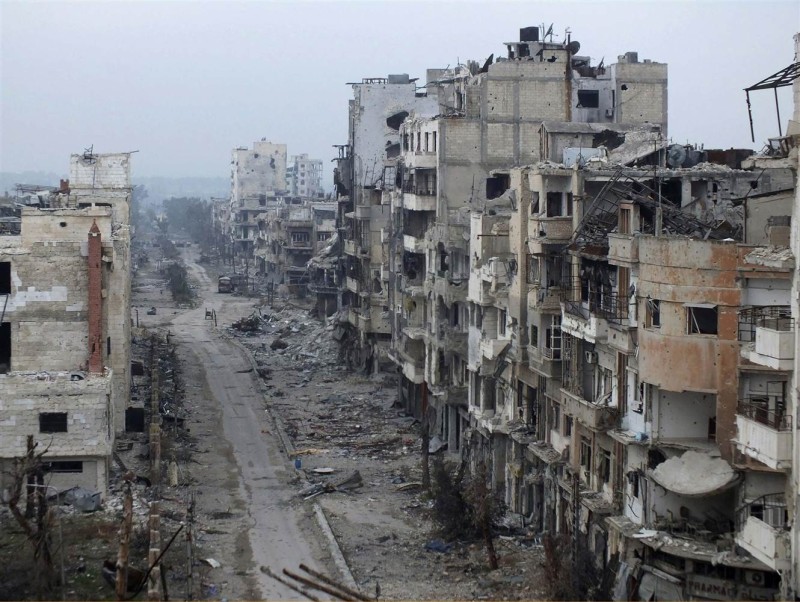
I'm on team Dan on the question of not freaking out over Syria. I don't think Jeff's assessment on this blog reflects the reality which is one of Russian weakness, nor am I convinced, per Seth's conjecture, that the Obama administration had some master plan to lure the Russians in to Syria. Russia's moves in to Syria suggest real fear that their long time client state could fail. By one estimate, the Syrian army has been reduced by 2/3 to less than 100,000, and as Dominic Tierney points out in The Atlantic, Assad may control only a 1/5 of Syria. I also agree with a number of folks like...
The Russian Federation covers more territory than any other country. It has a large nuclear arsenal, skilled weapons designers, and the world's fourth largest military budget—after the United States, China, and Saudi Arabia. But it maintains that budget—which comes it at roughly 12% of US military expenditures—by spending a larger percentage of its GDP on defense than does the United States, China, Britain, France, Japan, or Germany. Indeed, if the major European economies boosted defense spending to 3% of GDP—still short of Russia—they would each have larger military budgets. Of course,...
Russia has begun conducting air strikes in Syria, much to consternation of many. But there seems to be some in the Obama Administration who can barely contain their glee at the thought of Putin and Russia getting bogged down in the Syria quagmire: “If he wants to jump into that mess, good luck,” one official said, noting that Russia had become bogged down in Afghanistan a generation ago in a fight against Islamic radicals. Deputy National Security Adviser Tony Blinken told reporters that the Russians may be “making a terrible strategic mistake” by deepening their military involvement in...