Length We have no firm guidelines when it comes to length. As a rule of thumb, standard posts should run between 250 and 1500 words; symposia pieces should run 500-1500 words. Titles Shorter is better. Don't all-caps or small-caps your title. Our formatting is all automated. Excerpts Provide us with a short excerpt that summarizes/teases the contents of the piece. General Formatting Books and journals are...
Displaying Results for ""
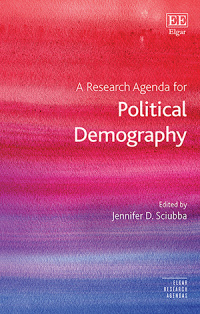
6+1 Questions about A research agenda for political demography
Name Of The Book… And Its Coordinates? Jennifer D. Sciubba, ed. 2021. A Research Agenda for Political Demography (Cheltenham, UK and Northampton, Massachusetts, USA: Edward Elgar) What’s the Argument? We cannot understand contemporary international relations without understanding the demographic shifts going on around the world. Demographics – the characteristics of populations, such as age and location – are not just a backdrop for...

Want to Start a National Security Think Tank?
You're going to need some help. Since 2017, when I departed the Beltway in favor of (literally) greener pastures, I've been trying to figure out how to create an institutional presence for alternative (ok, progressive) voices on foreign policy. Why? Although I don't like the "Blob" epithet, there is a lot of consensus thinking in Washington — especially circa 2017 — and it's historically really difficult to promote competing perspectives...

Jennifer Sciubba
Jennifer D. Sciubba is the author of 8 Billion and Counting: How Sex, Death, and Migration Shape Our World, and numerous other articles and books on demographic trends and implications. She is Associate Professor at Rhodes College and holds affiliations with the Center for Strategic and International Studies and the Woodrow Wilson Center.
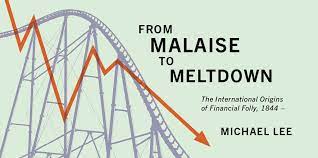
6+1 Questions about From Malaise to Meltdown
Financial hegemony brings with it substantial benefits, most notably reserve currency status. In order to successfully compete, rising powers need to lure financial institutions away from incumbent powers. They often try to make themselves more attractive to international finance by removing longstanding financial regulations.

Michael Lee
Michael Lee is an Associate Professor in the Political Science Department at Hunter College. His work focuses on the politics of financial regulation, international monetary relations, politics of populism, crises, the sectoral politics of foreign policy, and the role of games in learning. His work has been published in Survival, PS: Political Science, Political Studies, and the British Journal of Politics and International Relations. He is...
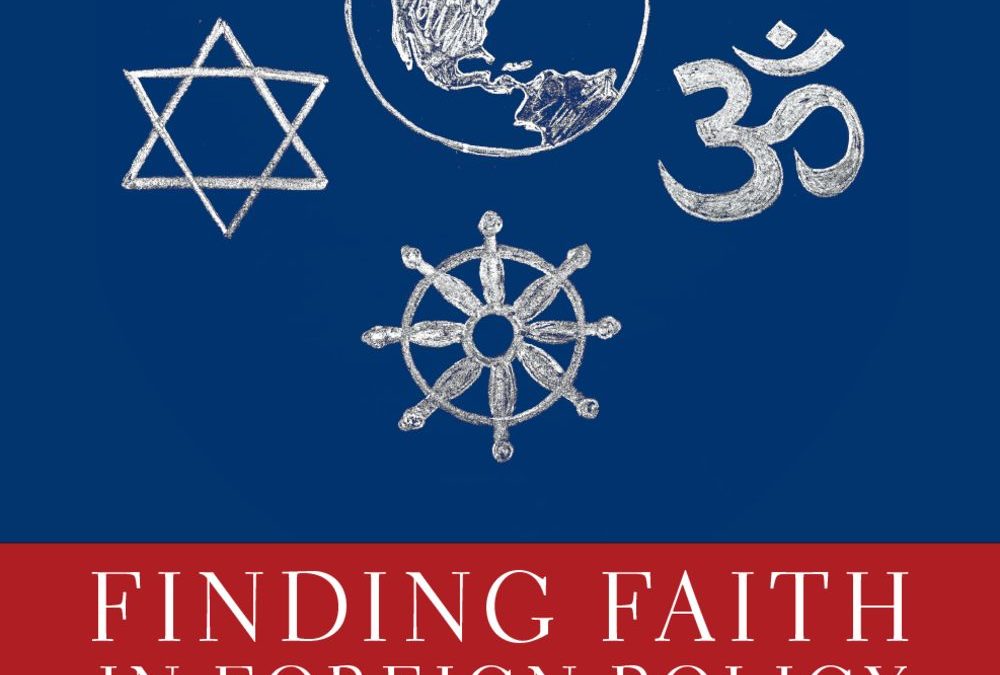
6+1 Questions about Finding Faith in Foreign Policy
WHAT’S THE NAME OF THE BOOK? Gregorio Bettiza. 2019. Finding Faith in Foreign Policy: Religion and American Diplomacy in a Postsecular World (New York, Oxford University Press) WHAT’S THE ARGUMENT? Since the end of the Cold War, American foreign policy has increasingly “desecularized,” such that it is now deeply intertwined with religious agendas, interests, and organizations. We see this trend in efforts to advance international...

We Are Not Capable of Learning the Lessons of Afghanistan
It seems like everyone has an opinion to offer about the "lessons" that the United States needs to learn from the war Afghanistan. “Here’s what we must learn,” asserts the former NATO Commander, James Stavridis. Anthony Cordesman, one of the war’s great chroniclers, asks readers to “examine the full range of civil lessons as well as the military lessons.” Council on Foreign Relations President Richard Haas worries that “we could learn the wrong...

James Bond Made Redundant
There is perhaps no greater film institution than the James Bond franchise. Over 27 movies and 59 years from Doctor No (1962) to Goldfinger (1964) to the modern era of Goldeneye (1995) and Skyfall (2012), Bond is a touchstone in many people lives, although not without controversy. Bond is a threat to women, minorities, and buildings yet also an in-demand entertainment property. That is all over now. James Bond has been made redundant The...
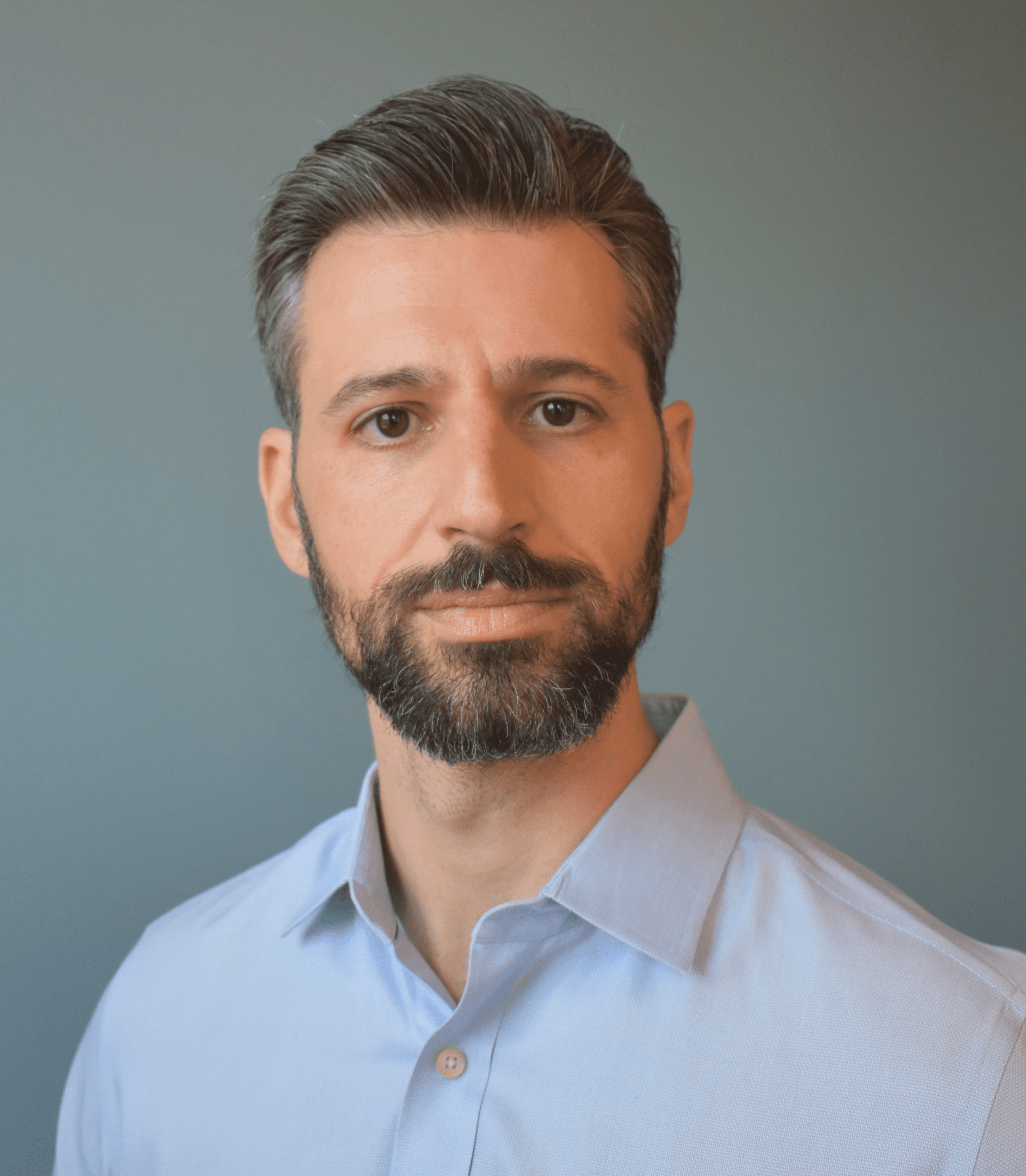
Dan Spokojny
Dan Spokojny is the founder of fp21, a think tank dedicated to transforming the processes and institutions of foreign policy. He previously served as a U.S. Foreign Service officer, including in the office of the Special Representative for Afghanistan and Pakistan, and as a foreign policy legislative assistant in Congress. Dan is a Ph.D. candidate in political science at the University of California, Berkeley. He focuses on the role of...
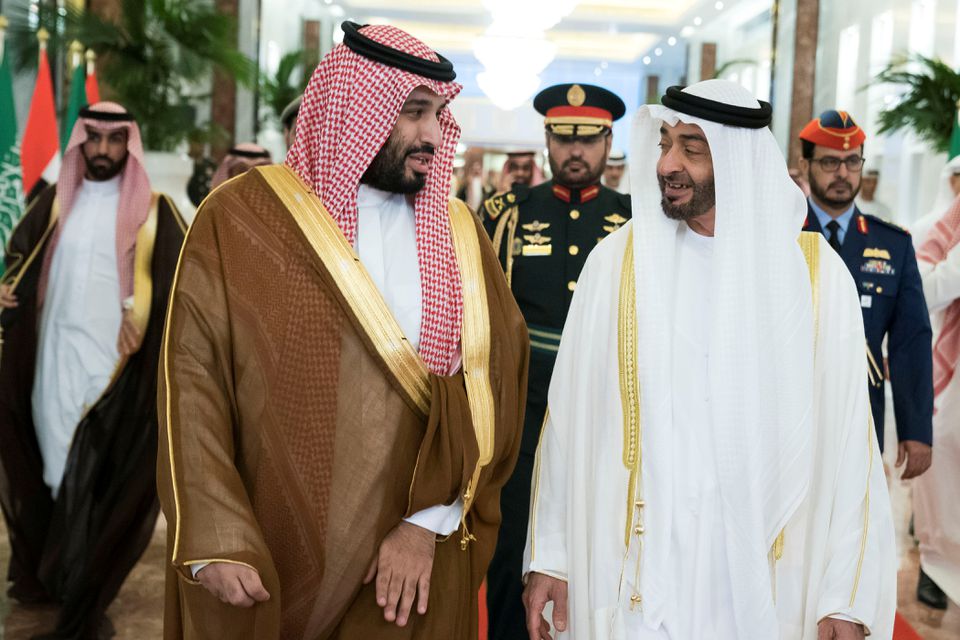
Are we misinterpreting UAE foreign policy?
Anwar Gargash, a diplomatic advisor to the UAE, recently spoke to an international conference on the UAE's desire to smooth over tensions with Turkey and Iran. Turkey and the UAE found themselves on opposite sides of the Arab Spring, with the former supporting revolutionary movements around the Middle East and the latter trying to frustrate them. And the UAE shares Saudi concerns about Iran's influence. This may be, as Trita Parsi recently...

Failing Upwards and Global Elitism
Matt Hancock, a Conservative MP and the UK’s Health Secretary during most of the Covid lockdowns, has failed upwards.