Intra-elite, state-centric society is a strategic front, and ought to be defended and put to use in the continued development of a global and decolonial turn in IR.
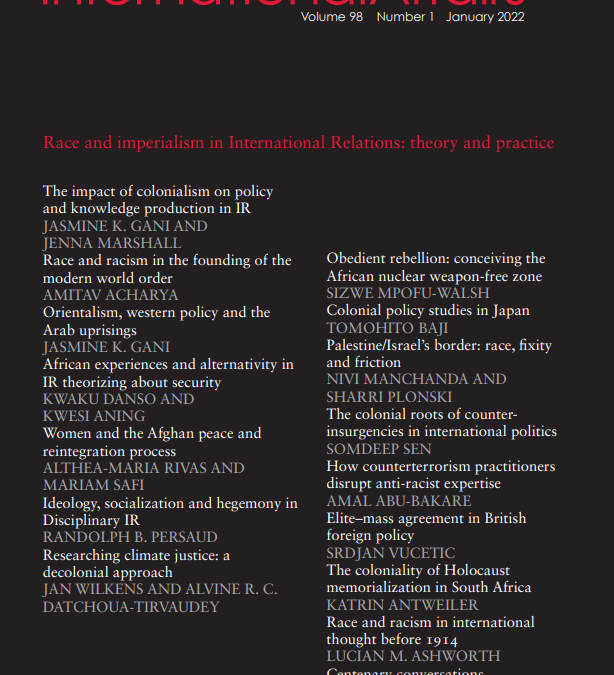
A reckoning with the traditional diplomatic community
read more
Intra-elite, state-centric society is a strategic front, and ought to be defended and put to use in the continued development of a global and decolonial turn in IR.
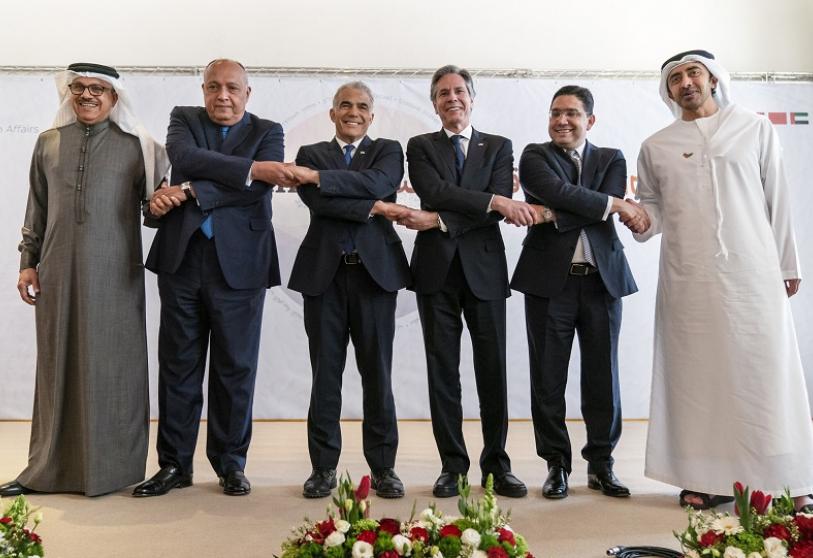
This has been either a bad week for Israel, or a great week for Israel, depending on whom you ask or what your Twitter feed looks like. In the end, this may matter more for the relevance and impact of Middle East studies than anything else.
The volume calls on international-relations instructors to make use of “subversive pedagogies” — ones that embrace a more holistic understanding of teaching. It invites academics to interrogate what we teach, how we teach, where we teach, and whom we teach.
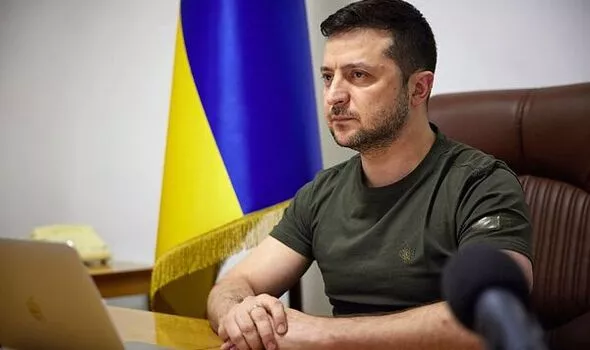
Two recent interviews in the New Yorker have received substantial attention in recent weeks. Unfortunately, taken together, they make the IR discipline look terrible. How can IR theorists demonstrate their discipline’s relevance in the face of rapidly changing historical events?

* I have changed the title as I got plenty of pushback on twitter--that there is plenty of IR on Pandemics, not just in the major journals. And I will add an update at the bottom later to address the criticisms later. People are wondering why there has not been much scholarship on the international relations of pandemics in the mainstream journals. out of curiosity, looked at how many times the term “pandemic” has appeared in top IR journalsIO: 0APSR: 0JCR: 0WP: 0AJPS: 3EJIR: 6JPR: 8JOP: 8IS: 13ISQ: 17— Seva (@SevaUT) March 15, 2020 Not a scientific survey of the literature, but it gives you...
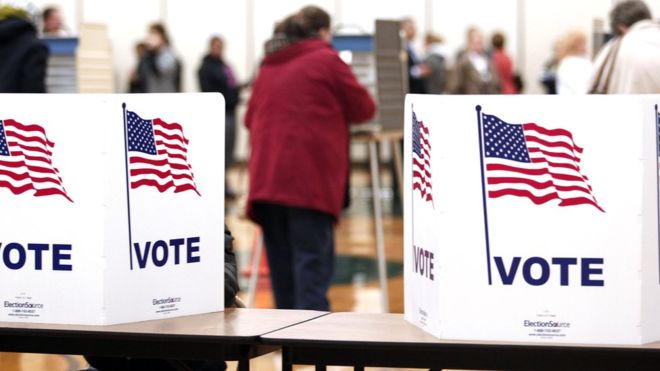
This is a guest post from Jeffrey C. Isaac and William Kindred Winecoff who both teach political science at Indiana University, Bloomington Last Wednesday the two of us circulated an open letter from U.S. political scientists, expressing concern about how the crisis surrounding the COVID pandemic could endanger the November election, and declaring that “We Must Urgently Work to Guarantee Free and Fair Democratic Elections in November” (posted at bottom). The letter endorsed the excellent report produced by legal scholars at the Brennan Center for Justice, entitled “Responding to the...

As the world rushes to respond to the Covid-19 pandemic, international relations scholars have a lot to say. We are not public health experts, or pathologists. But we can speak to the way states respond to common threats and the political process needed to formulate an effective response. One common reference is the realist idea of self-interest driving state behavior and undermining collective action. Yet, while realism as an inclination can explain what's going on, Realism as a scholarly theory cannot. Many scholars and general observers of international relations have reacted with...

Catherine Sanger talks about the challenges and opportunities of moving teaching online.
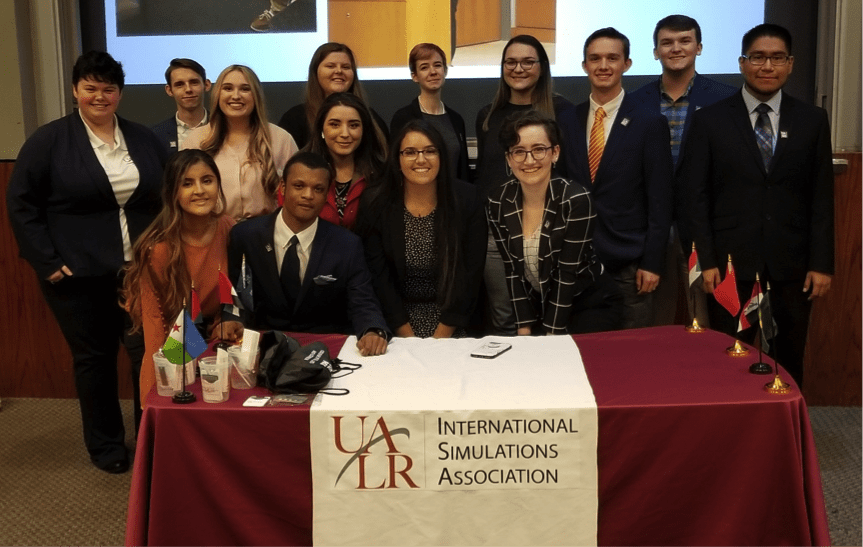
This is a guest post from Dr. Rebecca Glazier, who is an Associate Professor in the School of Public Affairs at the University of Arkansas at Little Rock. She has over 10 years of experience teaching online and her pedagogical research focuses on improving online retention. Many of us are in the middle of teaching triage—scrambling to put our classes online, adjusting assignments, and responding to panicked students. What should we prioritize in this time of crisis? Lucky for us, there is not only a wealth of academic literature about best practices for teaching online, but there is also a...
The Duck has been covering Corona in a variety of ways over the past several weeks with posts including Josh's coverage of the early outbreak, the early international dynamics, past and present epidemics, the role of money and of international cooperation, how different types of political systems are handling the crisis, and so on. But thus far, we Ducksters haven't considered here what it means for us. As the resident narcissist, my time has come. While it might seem narcissistic to consider the impact on the academic world while people are dying around the world, well, ok, it is...
This is a guest post by Philipp Schulz, who is a Post-Doctoral Researcher at the Institute for Intercultural and International Studies (InIIS) at the University of Bremen. Philipp’s research focuses on the gender dynamics of armed conflicts, with a particular focus on masculinities and wartime sexual violence. His book ‘Male Survivors of Wartime Sexual Violence – Perspectives from northern Uganda’ is forthcoming with University of California Press. Academic competitiveness and pettiness is alive and real. From expediting demands of the competitive academic job...
When I was a grad student, I had the privilege of student teaching with political theorist Eric MacGilvray. Eric was—and I’m sure still is—a brilliant teacher. He was always in motion, but in a way that felt deliberate. He often perched on an elevated windowsill while listening to students debate amongst themselves. He made even the most archaic and dense texts accessible. (The class was Classics of Social and Political Thought.) He also had a unique approach to grading. Rather than marking on a scale of 100, where 94 is an A, he introduced a seven-point scale. Actually, it was a ten-point...