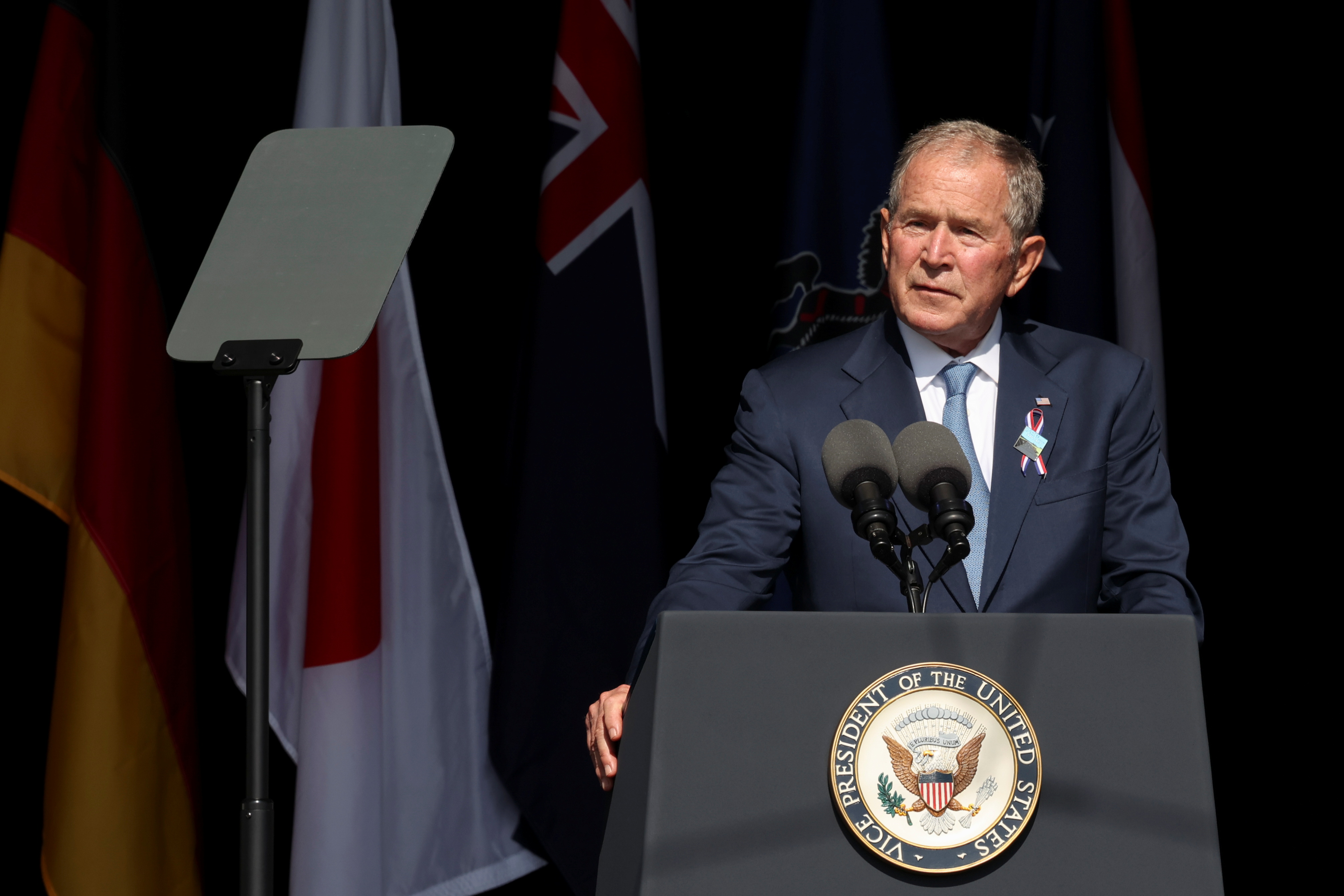
Numerous pundits have lamented the that Americans have not responded to the Covid pandemic with the unanimity they demonstrated after 9/11. But do we really want to return to the post-9/11 era of emergency consensus?
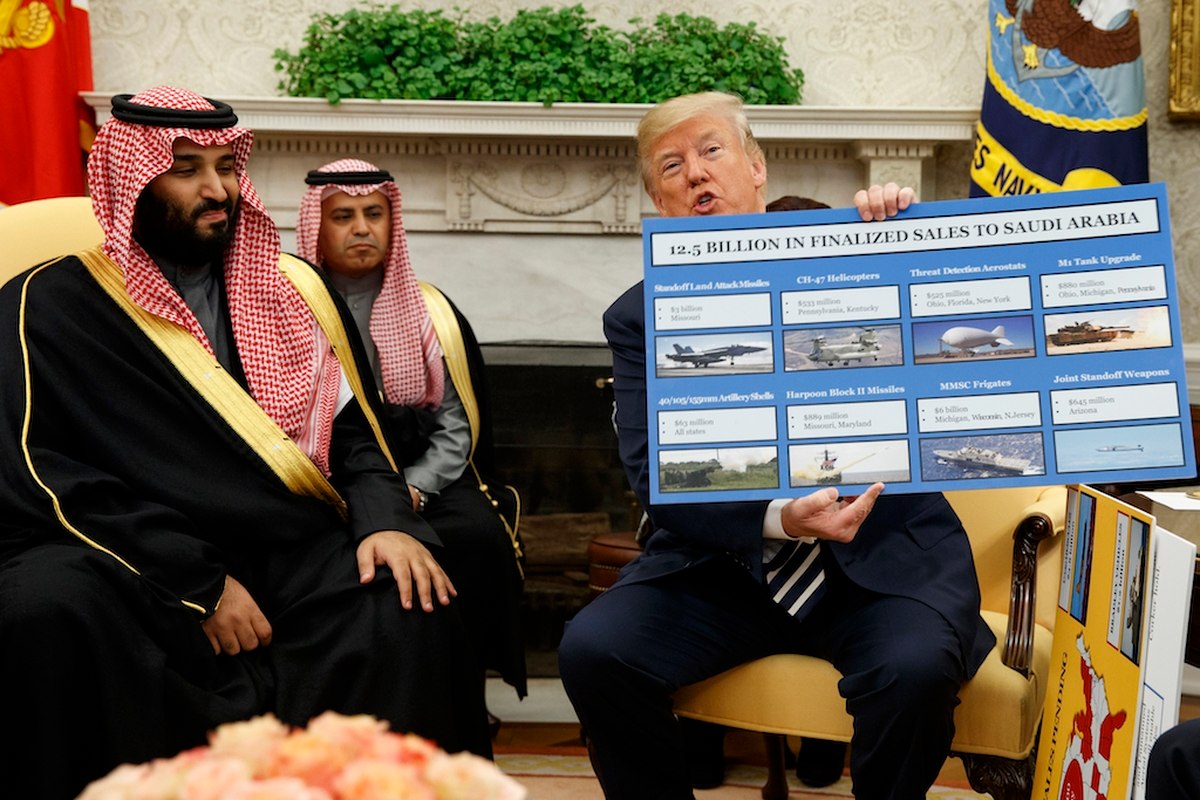
I feel like I should say something about the disappearance—and likely assassination—of Saudi dissident Jamal Khashoggi. This tragedy was enabled by America’s permissive stance towards Saudi Crown...
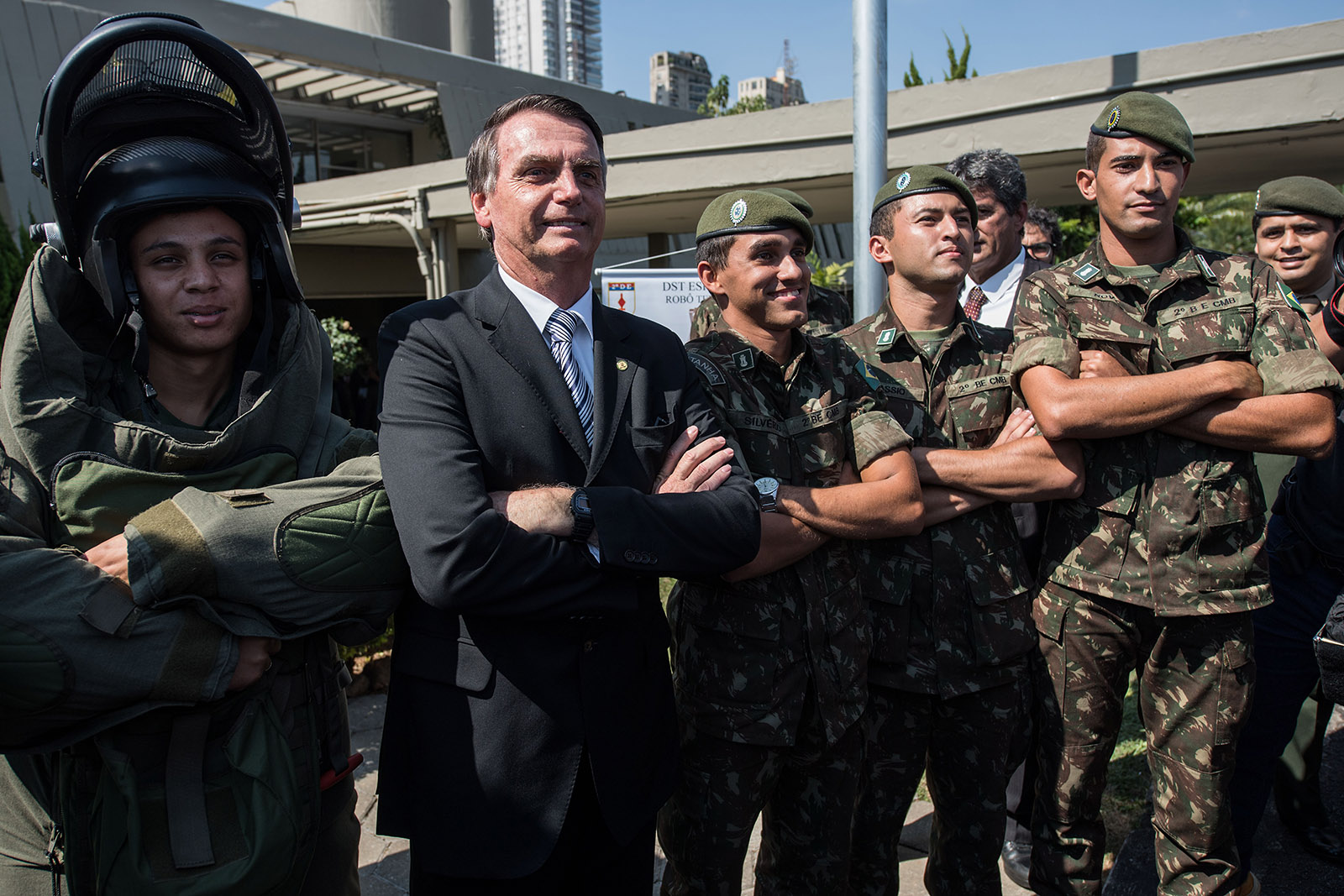
In under two weeks, Brazil will have the second round of its presidential election. Former military officer and fan of fascists Jair Bolsonaro looks set after a strong first-round showing to defeat...
This post comes from Jennifer Spindel, Assistant Professor in the Department of International and Area Studies at the University of Oklahoma and a 2018 participant in Bridging the Gap's New Era...
Gamification is "is the application of game elements and digital game design techniques to non-game problems, such as business and social impact challenges", to borrow the course description from The Wharton School of the University of Pennsylvania's Gamification MOOC. The approach has been used to try and improve employee productivity, facilitate risk prevention education (and indeed many other forms of education) , resolve social conflict, and, perhaps less surprisingly, in marketing. And just in case you thought there were any contexts in which gamification couldn't be used, militaries...
Policy schools prepare students to work in the public policy realm, most often training students for positions in government. But policymaking is an increasingly diverse field, policy issues span the globe and multiple--state and non-state--actors take part in decision-making and policy implementation. How should we teach global policy-making in policy schools? In a recent article co-authored with Cristina M. Balboa, Policymaking in the Global Context: Training Students to Build Effective Strategic Partnerships with Nongovernmental Organizations [ungated access here], we use a case study of...
[As two fellow NGO researchers, Wendy and Maryam are going to collaborate on some posts to provide contrasting views on hot-button issues related to NGOs. Think of us as the Siskel and Ebert of NGOs - we definitely agree on certain things, but clearly not on others (and don’t ask who’s who). Our points of view will not always reflect what we personally think of an issue--we need drama and suspense!--but we will always provide food for thought.] By now everyone is well aware of the recent tragic killing of Cecil the lion by Minnesota dentist Walter Palmer. Josh shared a post about this...
As a new Duck, who (like Cai & Tom) took a while to consider what to blog about, I finally decided - long-winded academic that I am - to write a series of posts on the #BringBackOurGirls hashtag campaign. To this end, I draw on materials for a keynote I just delivered at the University of Surrey's Center for International Intervention's conference on "Narratives of Intervention: Perspectives from North and South" (#cii2015). Here I go: On April 14, 2014, 276 girls between the ages of 15-18 years were abducted from a school in Chibok, Northern Nigeria, days before they were set to take...
To begin with a confession, I have spent far too long contemplating what to write about as my first post, due in no small part to sharing fellow Guest Duck Tom's nerves about joining such formidable paddling of regular Ducks. However, Wendy's post on human rights having gone mainstream and no longer being revolutionary has given me exactly the push I needed to get started. Specifically, I want to explore Wendy's argument in relation to claims for LGBT rights. My aim is not to counter Wendy's argument, which I find persuasive, but rather to use it as a starting point for thinking through the...
Recently, Joel Pruce and Doutje Lettinga wrote contributions to openGlobalRights that lamented the non-revolutionary, and I would go so far as to say, anti-revolutionary tone that human rights have come to represent in global and local citizen politics. Both observers note the trend that international nongovernmental organizations (INGOs) working on human rights have indeed, become “soft” in their success, earning reproach from critics such as musician-activists Pussy Riot. More harshly, INGOs can be viewed as complicit with state domination. In essence, human rights and the INGOs that fight...
In late May, the People’s Republic of China (PRC) released a white paper on China’s Military Strategy. This public release is the first of its kind, and it has received relatively little attention in the broader media. While much of the strategy is of no big surprise (broad and sweeping claims to reunification of Taiwan with mainland China, China’s rights to territorial integrity, self-defense of “China’s reefs and islands,” a nod to “provocative actions” by some of its “offshore neighbors” (read Japan)), there was one part of the strategy that calls for a little more scrutiny:...
In her seminal 1997 article, Power Shift, Jessica Mathews argued that a power shift was underway in international politics marked by a redistribution of power from states to non-state actors—mostly businesses and non-governmental organizations (NGOs). Almost two decades later, NGOs are trying to foster a new sort of power shift, this time transferring power from the global north to the global south. This power shift was one of the substantive topics of discussion at the BISA NGO Working Group workshop I wrote about last week. The BOND report and subsequent presentations by academics, Amnesty...