Who, if anyone, rules the world? Answering a question like that requires grappling with both the character of international order and the global distribution of power—facets of political life that are related but should not be conflated. Two new...
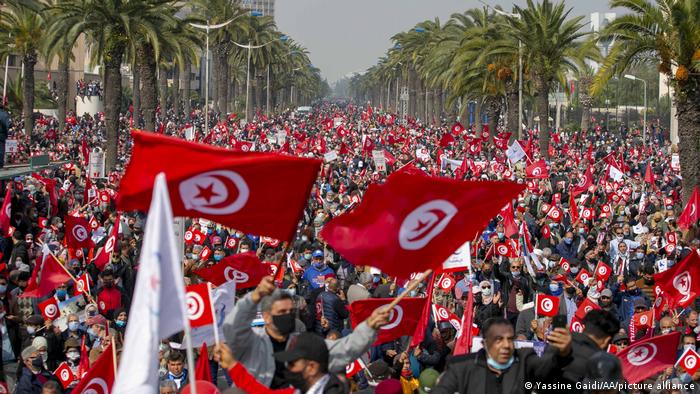
Everyone is (rightly) thinking about Afghanistan, but I'm still thinking of Tunisia. Each fall I teach a Middle East politics class. And each fall I end our discussion on the Arab Spring with a...
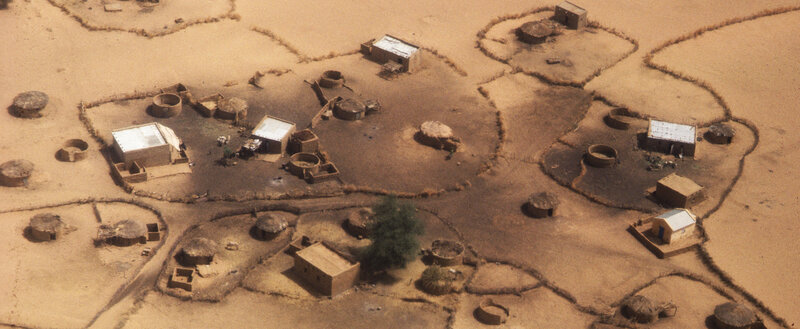
Climate change poses substantial national, international and human security risks, but analysts have only recently shifted their focus toward how to simultaneously build peace in post-conflict environments and grapple with the dual challenges of mitigating and adapting to climate change.
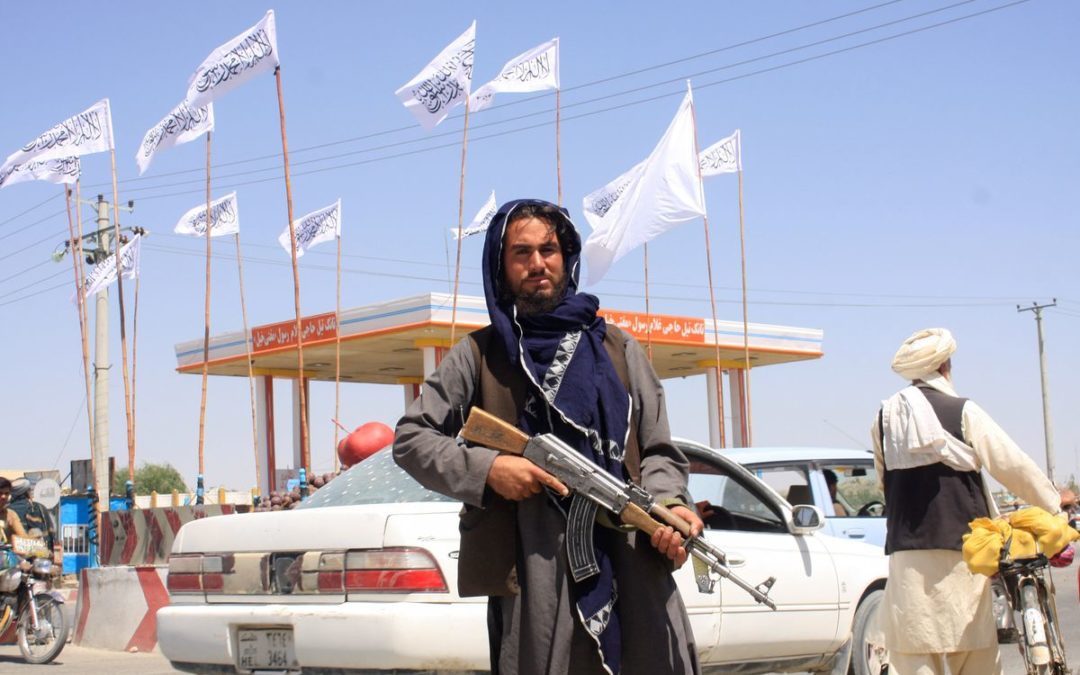
We’re in the middle of a political struggle to define “defeat” in Afghanistan. What does that mean?
There is all kinds of advice out there on how to write and finish a book. We are frequently advised to 'Write everyday', 'write early in the morning,' 'workshop and present your work,' among other things. Here is a great overview of 10 steps to writing a book and another fantastic post called...
This is a guest post by Wendy Wong, Associate Professor of Political Science at University of Toronto, Director of the Trudeau Center for Peace, Conflict and Justice, and author of Internal Affairs: How the Structure of NGOs Transforms Human Rights. When the great fall from grace (especially those...
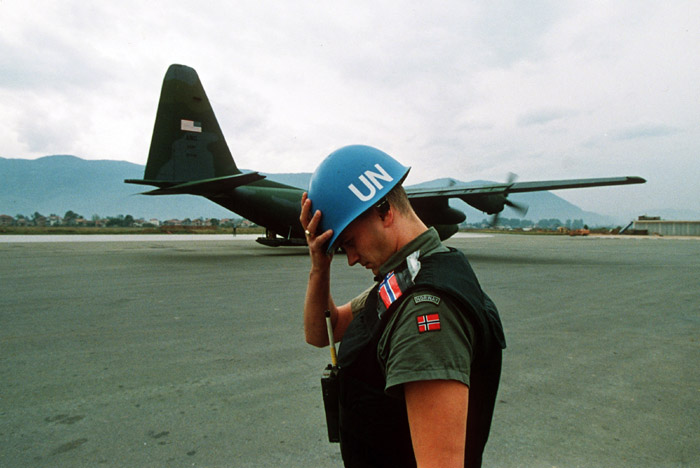
Last week I had the opportunity to partake in a workshop on the Responsibility to Protect (R2P) at The Hague Institute of Global Justice (the Institute). The Institute is preparing to launch a project on R2P, seeking to bring academics, civil society and government/policy makers together to...
The Turkish government’s unwillingness to intervene in Kobani has led to renewed violence across the country, claiming more than 30 lives. Turkey’s own Kurds demanded action, Ankara bulked, people died. The peace process between Ankara and the Kurds might now be in jeopardy. And the government is...
As I mentioned in my previous post on climate and security, I went to Colorado College last week for two talks that Andrew Price-Smith organized. The second talk covered the theme of global climate governance (slides here). Last month, both Jennifer Hadden and I wrote about the People’s Climate...
This week, courtesy of my colleague Adam Stulberg and the Center for International Strategy, Technology, and Policy, our department hosted Matthew Kroenig. When I first learned of Kroenig’s visit, my initial thought was that it would be a great opportunity to do (yet another) take on his arguments...
Yesterday, a student asked me about the recent news reports indicating that Iraq did, in fact, have "weapons of mass destruction" back in 2002 and 2003 when the U.S. was attempting to justify a "preemptive" war. The New York Times reported that American soldiers were injured in the past decade by...
This is a guest post from Kathleen Gallagher Cunningham, an associate professor of government and politics at the University of Maryland. She is the author of Inside the Politics of Self-determination (Oxford University Press, 2014). I was recently at a relatively small academic conference, one...
The boon and bane of our academic enterprise is that we get feedback all the time on our work. Our work is better for it--that the hack-iest stuff I read is always stuff that is not submitted to any kind of refereeing process and relies instead on editors who seem to be blind to the hack-ness. ...
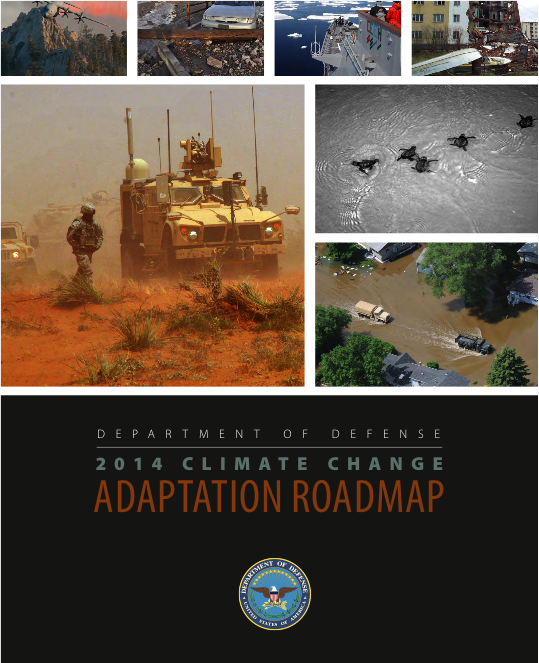
I made two presentations yesterday at Colorado College where I first talked about climate and security and then spoke about global climate governance. I'll post about each issue in turn. With the Pentagon this week releasing its new strategy on climate change adaptation, this is a timely moment to...
In the thirteenth century, before the rise of the “modern” state, private enforcement mechanisms reigned supreme. In fact, because monarchs of the time had difficulties enforcing laws within their jurisdictions, the practice of private individuals enforcing their rights was so widespread that for...
With the United Nations First Committee on Disarmament and International Security convening in New York this month, one point of debate will be the potential health risks of depleted uranium weapons in post-conflict zones. And rightly so: depleted uranium is a byproduct of nuclear enrichment...