Displaying Results for ""
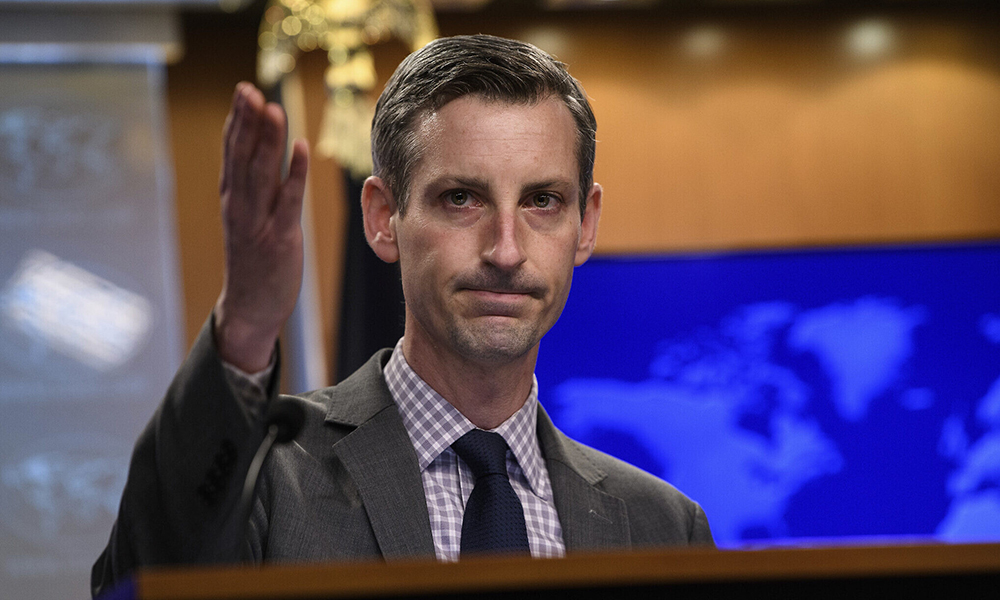
Do Liberals Believe in Diplomacy or Not?
When I first started teaching introduction to international relations, I included a lecture on the use of force in my foreign policy unit. We talked about Art's four uses of force, Schelling's diplomacy of violence, etc. But I worried I was downplaying the importance of diplomacy. So beginning last year I've changed the use of force lecture to the "use and non-use of force," covering both force and diplomacy. The takeaway is that, as liberal...
6+1 Questions about How to Prevent Coups D’état: Counterbalancing and Regime Survival
Coup d’états are less likely to succeed against rulers who “counterbalance” their militaries with presidential guards, militarized police, and other security forces outside of military command. But there may be downsides.

Playing the Waiting Game: The Harsh Truth of Academic Timelines
Academics depend on slow processes subject to unfortunate slowdowns. And, unfortunately, academic timelines can make or break careers.

No, Critical Race Theory was not a “thing” in the Soviet Union
According to a recent tweet, which I am not going to link to, "CRT" led to "multiple civil wars and transnational conflicts by the 1990s" in the Soviet Union. The simple answer is no, but let me explain in more detail. Some have dubbed the Soviet Union an "affirmative action empire" that glorified internationalism, anti-racism, anti-colonialism; at home, however, one could see a much less rosy picture. The notion of nationality, which is bound...
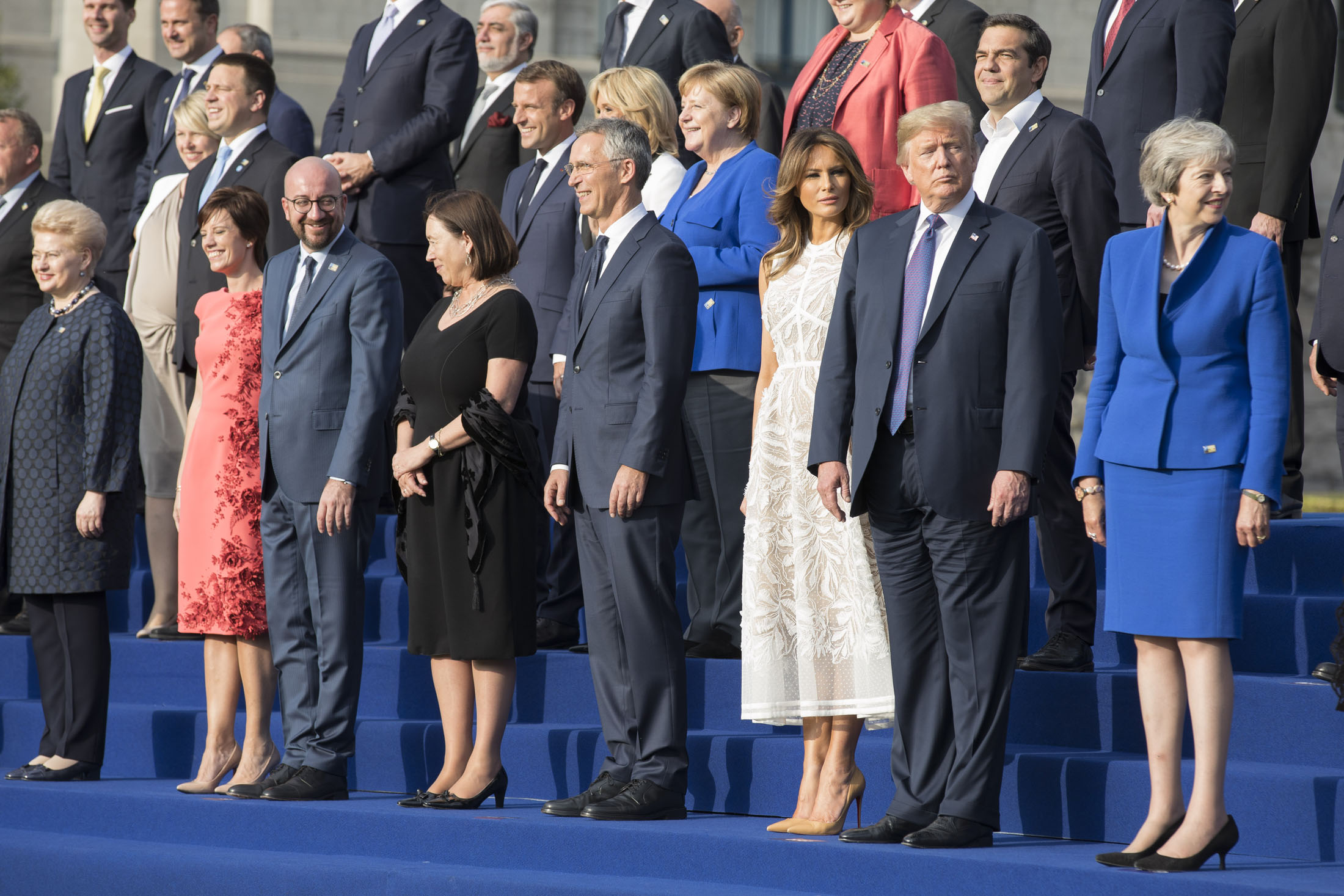
6+1 Questions about “Why NATO survived Trump: the neglected role of Secretary-General Stoltenberg”
Not many know that Trump was on the verge of publicly announcing U.S. withdrawal from the alliance at the 2018 summit. Congress would have prevented a formal end to U.S. membership, but Trump’s announcement itself would have caused irreparable damage. Why then did Trump change his position on NATO in 2019? And why was NATO, at least in military terms, in better state when Trump left office than when he began his term?
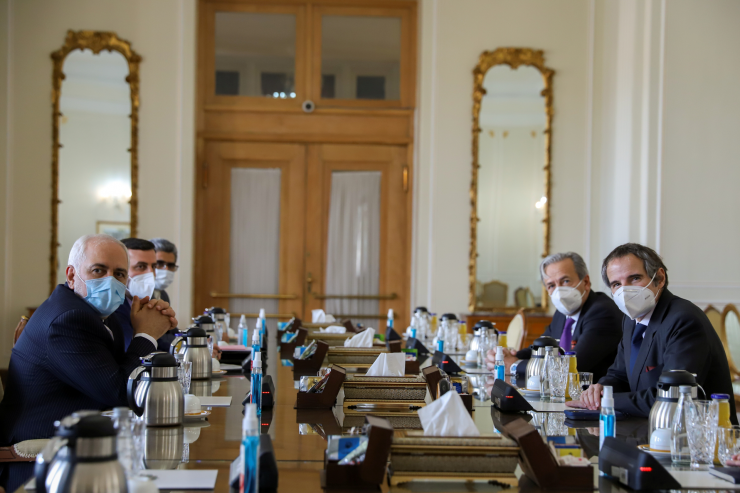
Middle East Studies: More Intellectual Diversity, or Better Public Outreach?
Middle East scholars recently released the results of the new Middle East Scholar Barometer. What does it tell us about Middle East Studies itself? Does it suggest the field is rich and progressing, or in need of an intellectual shakeup?

Leonard Schuette
Leonard Schuette is PhD candidate at the University of Maastricht and currently visiting researcher at the University of Oxford. His research interests include European security, EU foreign policy, and international organizations. His work has also appeared in the Journal of Common Market Studies, the Journal of Contemporary European Research, and the Cambridge Review of International Affairs. He has published policy briefs for several think...

Business Meetings are part of the “hidden curriculum””
Business meetings are part of the “hidden curriculum,” academia’s unwritten set of rules They’re also important to attend, especially for those scholars most likely to be unfamiliar with those rules. This post explains why – and what more senior scholars can do to get junior ones involved.
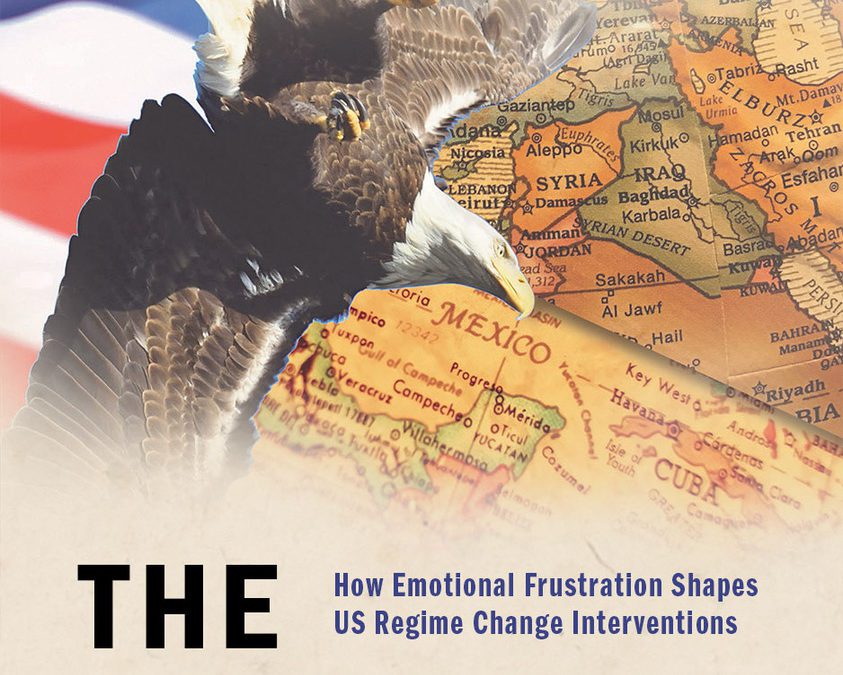
6+1 Questions about The Origins of Overthrow: How Emotional Frustration Shapes US Regime Change Interventions
The United States has repeatedly used its military to overthrow foreign regimes – at least sixteen times from 1906 to 2011 – but these interventions seldom work out particularly well. So why does Washington continue to engage in violent regime change? The answer is that US leaders forcibly overthrow regimes to relieve emotional frustration.
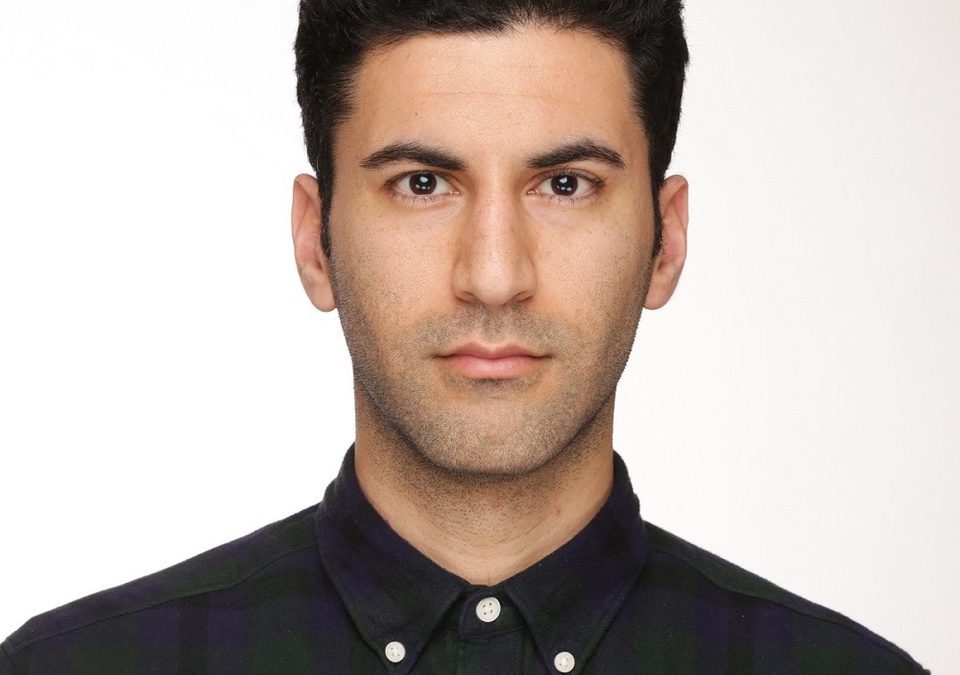
Payam Ghalehdar
Payam Ghalehdar is a Research Fellow in the Centre for International Security at the Hertie School and the Henry A. Kissinger Center for Global Affairs of the Johns Hopkins University School of Advanced International Studies (SAIS). His research interests span US foreign policy, grand strategy, military intervention, and the role of emotions in foreign policy decision-making. He is currently doing research on the role that US foreign...

The Preliminary Style Guide is Available
You can read it here or via the menu. ...Someday we'll be a real weblog.