We conclude our look at a classic work of feminist international theory.

We conclude our look at a classic work of feminist international theory.

This crisis has us all having a lot of feelings. I am feeling a bit nostalgic for Hegemonic Stability Theory. While Comparative Politics will have much to say about why countries varied in their responses (also see Max Brooks's World War Z [the book, NOT the movie] to get a taste of the comparative politics of pandemics), it is the job of IR (and epidemiologists) to discuss why the disease spread as it did and why the international...


Catherine Sanger talks about the challenges and opportunities of moving teaching online.
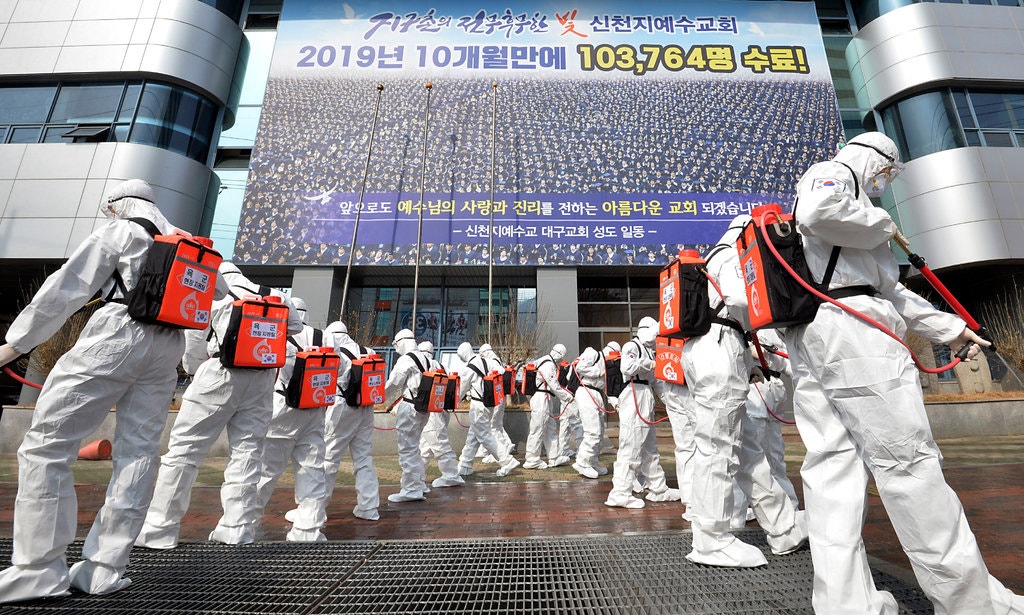
This is a guest post from Yongjin Choi, a PhD Candidate in the Department of Public Administration at Rockefeller College of Public Affairs and Policy, University at Albany. His research focusses on evidence-based policy, Medicaid, and citizen participation. Before entering the doctoral program, he worked as a researcher at the Korea Institute of Ocean Science and Technology (KIOST) for several years. He is currently working as a research...
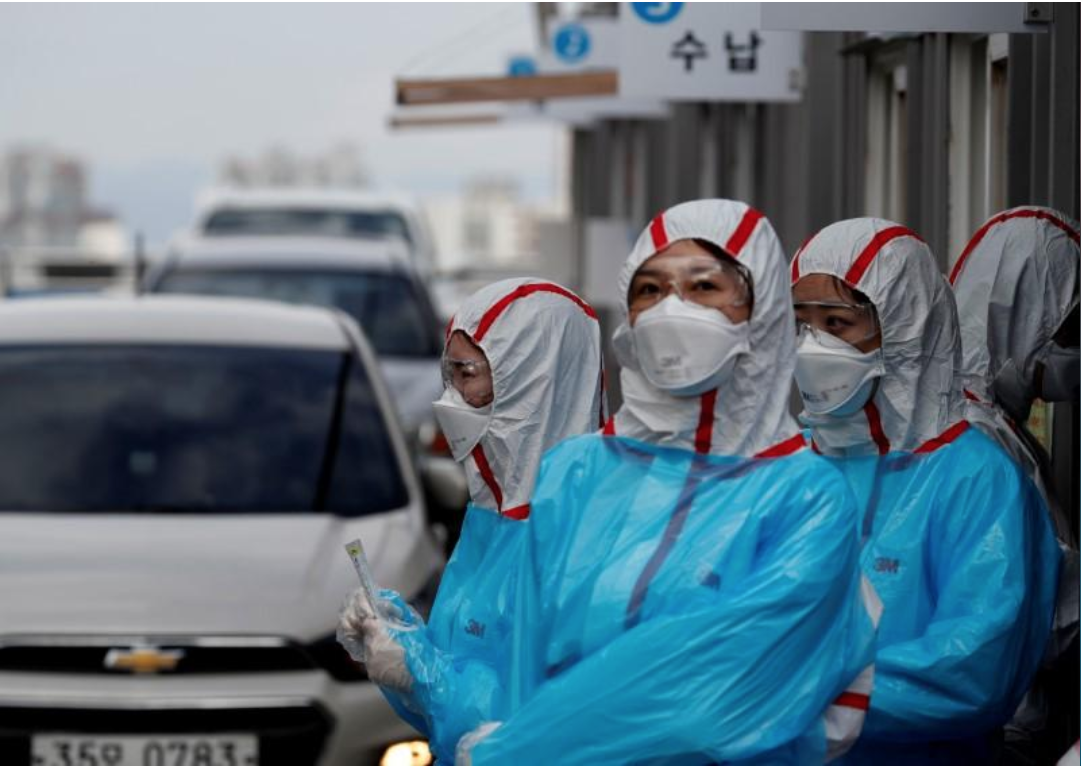
This is a guest post from Heeun Kim, a PhD Candidate in the Department of Public Administration at Rockefeller College of Public Affairs and Policy, University at Albany. Her research focusses on access to healthcare, disparities in health, and universal health coverage. Her current research projects include sexually transmitted diseases prevention in New York State, disparities in access to care under the Affordable Care Act in the US. As...
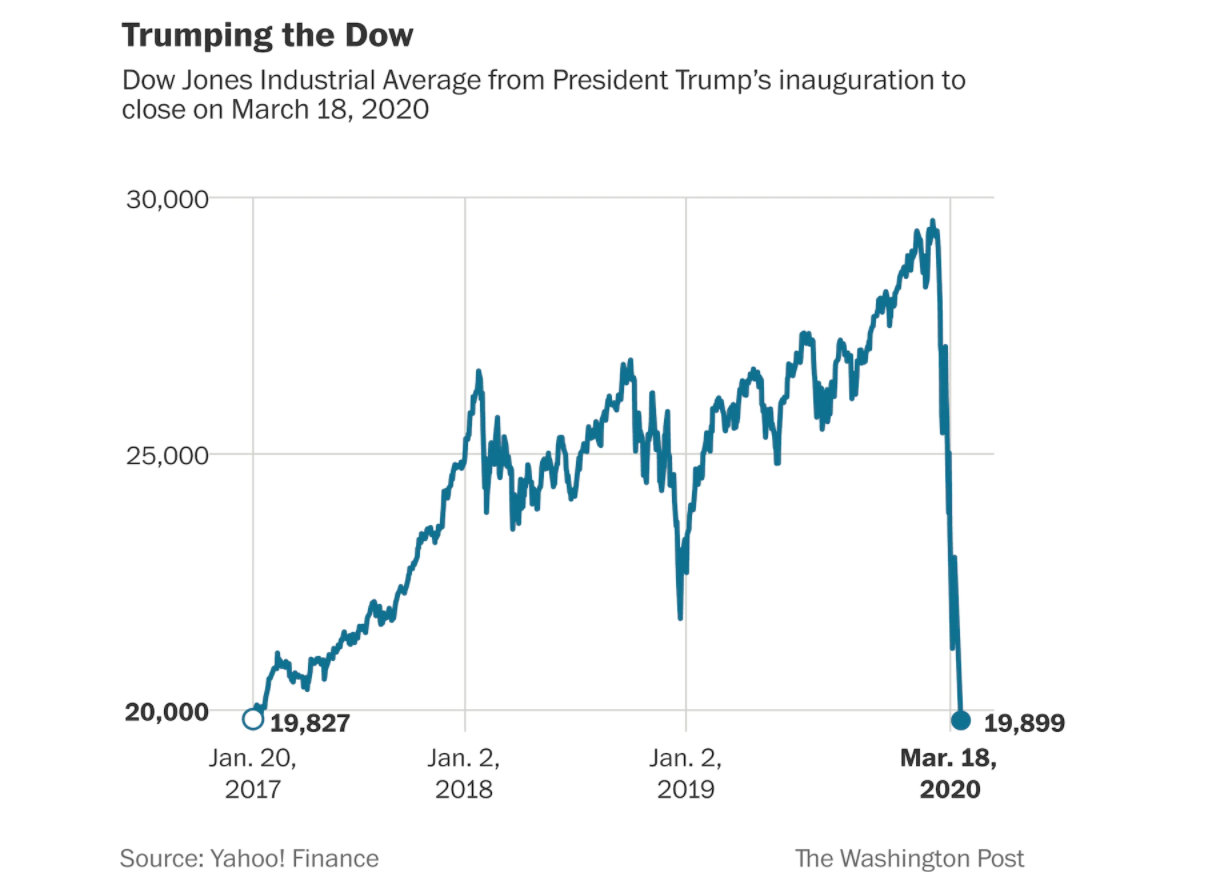
This is a guest post from Brendan Skip Mark, an assistant professor in the political science department at the University of Rhode Island (URI). His work focuses on International Organizations and human rights. He is a co-director of the CIRIGHTS human rights dataproject. The official definition of a "recession" is a fall in real GDP for two consecutive quarters. It usually takes a while for the data to show this, yet it is already clear that...
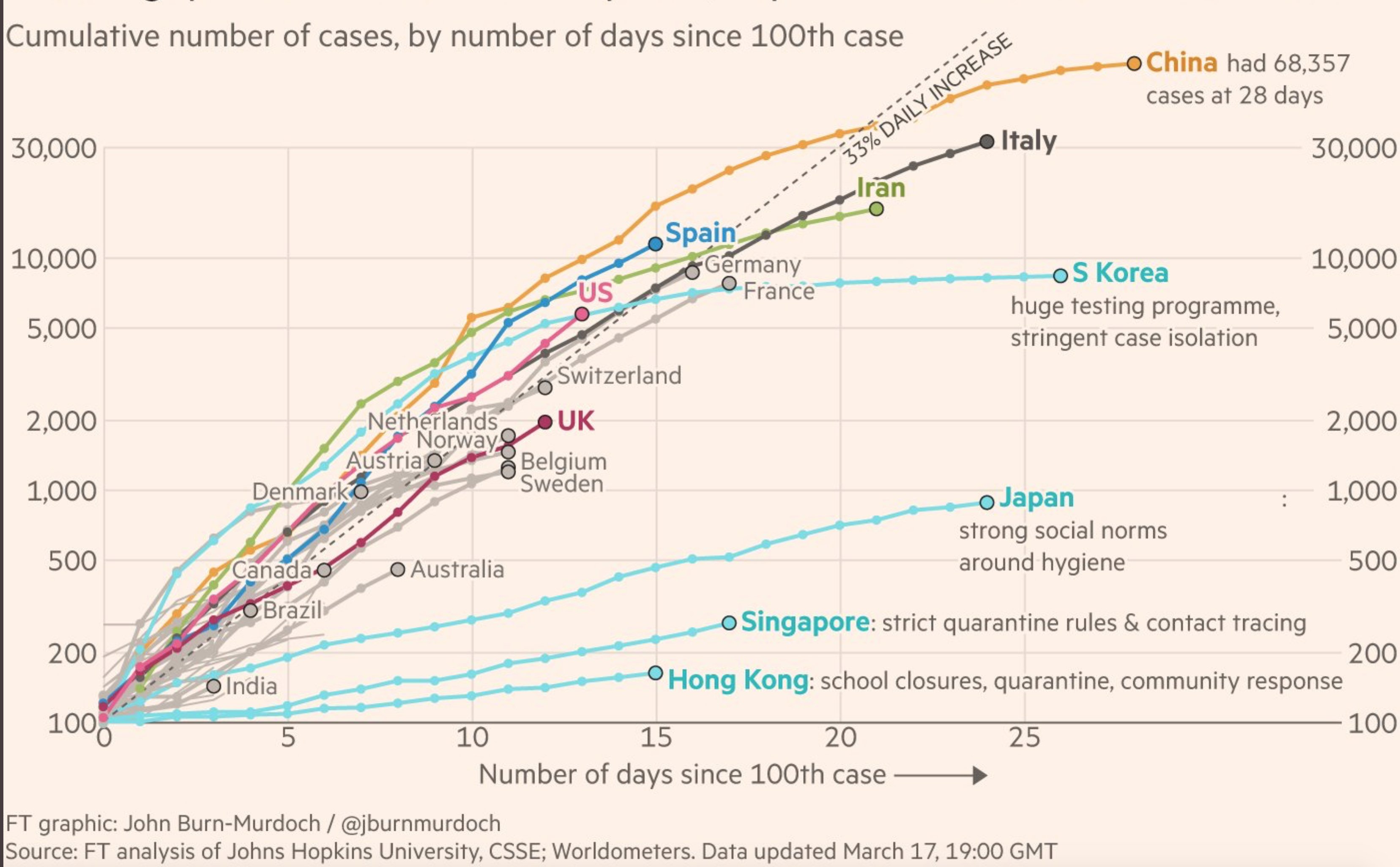
This is a guest post from Sofia Fenner, an Assistant Professor of Political Science at Bryn Mawr College. Her research explores co-optation under authoritarianism, with a regional focus on the Middle East and North Africa. Much like the fall of the Soviet Union or the onset of the Arab Spring, the global coronavirus pandemic offers us intriguing variation: as diverse polities confront similar shocks, we see striking differences in how (and how...
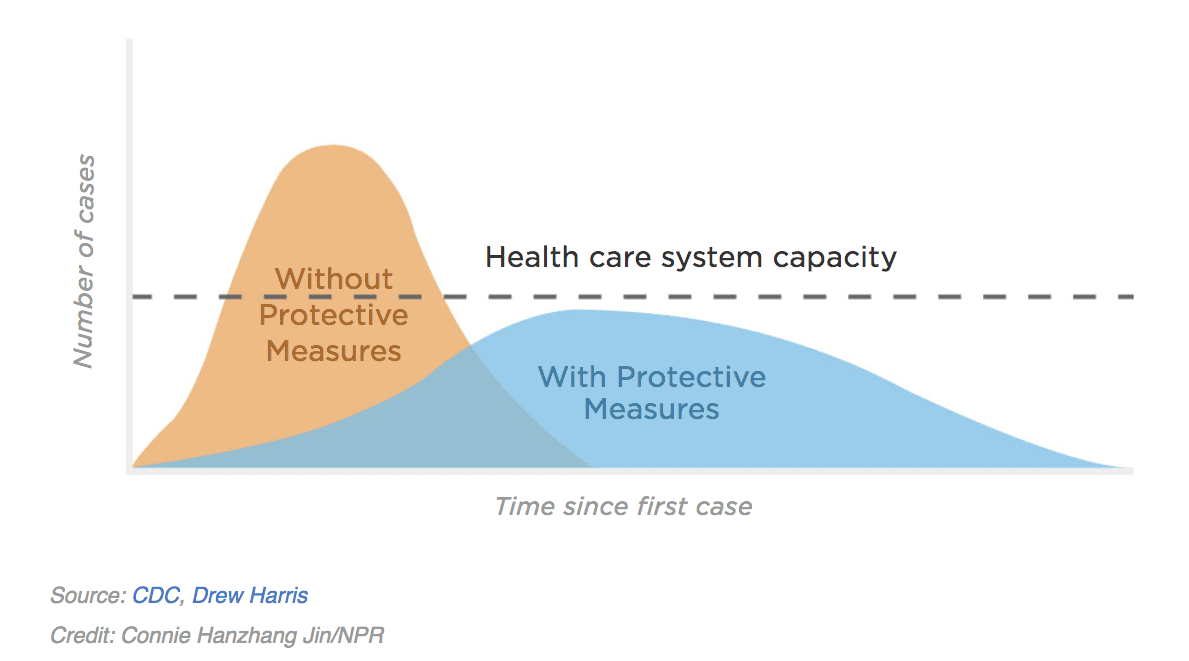
This is a guest post Jonathan Powell, an Associate Professor in the School of Politics, Security, and International Affairs at the University of Central Florida (Twitter: @prof_powell) and Christopher Faulkner, a Visiting Assistant Professor in the International Studies program at Centre College (Twitter: @C_Faulkner_UCF) The general narrative is that preventative measures such as hand-washing and social distancing can slow the transmission...

"The blob" has become a common term during the Democratic Primary. The DC foreign policy establishment, so the argument goes, has an overwhelming effect on all who engage with it, sucking them in and spitting them out as appendages to its militaristic, status quo policies. There is some truth to this idea, but it has come to encompass too much, and the term is losing its value. It may be worth deconstructing what we meant by "the blob" and...
This is a guest post from Dr. Rebecca Glazier, who is an Associate Professor in the School of Public Affairs at the University of Arkansas at Little Rock. She has over 10 years of experience teaching online and her pedagogical research focuses on improving online retention. Many of us are in the middle of teaching triage—scrambling to put our classes online, adjusting assignments, and responding to panicked students. What should we prioritize...
The Duck has been covering Corona in a variety of ways over the past several weeks with posts including Josh's coverage of the early outbreak, the early international dynamics, past and present epidemics, the role of money and of international cooperation, how different types of political systems are handling the crisis, and so on. But thus far, we Ducksters haven't considered here what it means for us. As the resident narcissist, my time has...