Back in March, I wrote a post at Lawyers, Guns and Money called “Remember ‘Great Power Competition?’ Lol.” As the “Grand Strategy” of Trump 2.0 comes into focus, I thought it would be a good idea to revisit and update it. In brief, the normie...
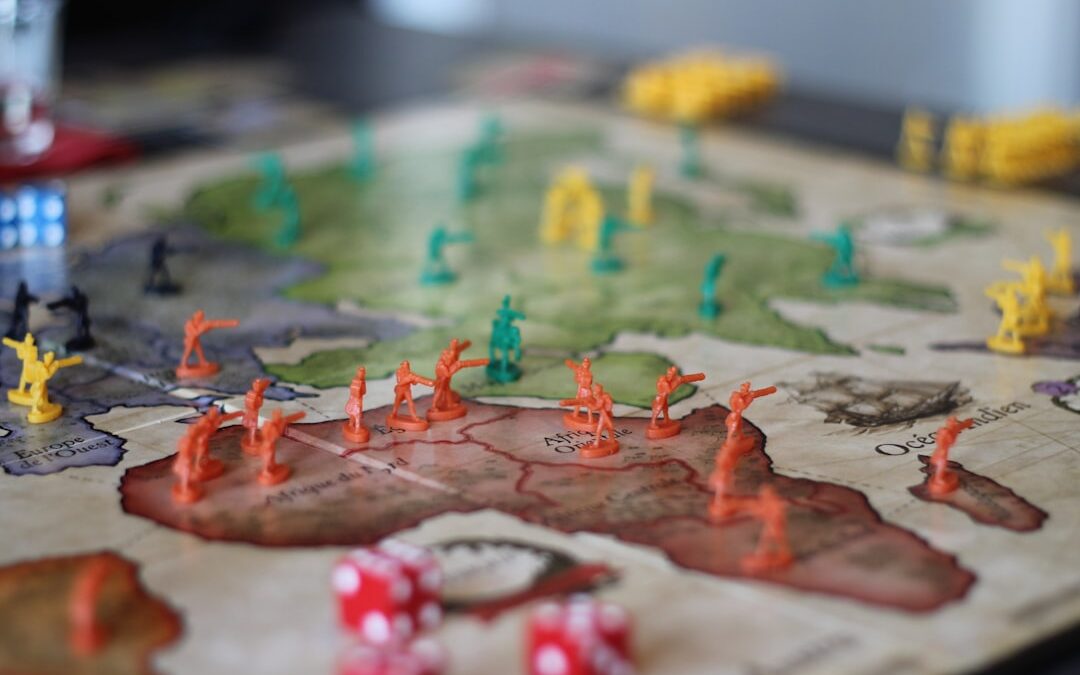
Donald Trump’s second term in office is causing great concern about the future of the Liberal International Order (ILO) in Western capitals and headquarters of international organizations (IOs)....
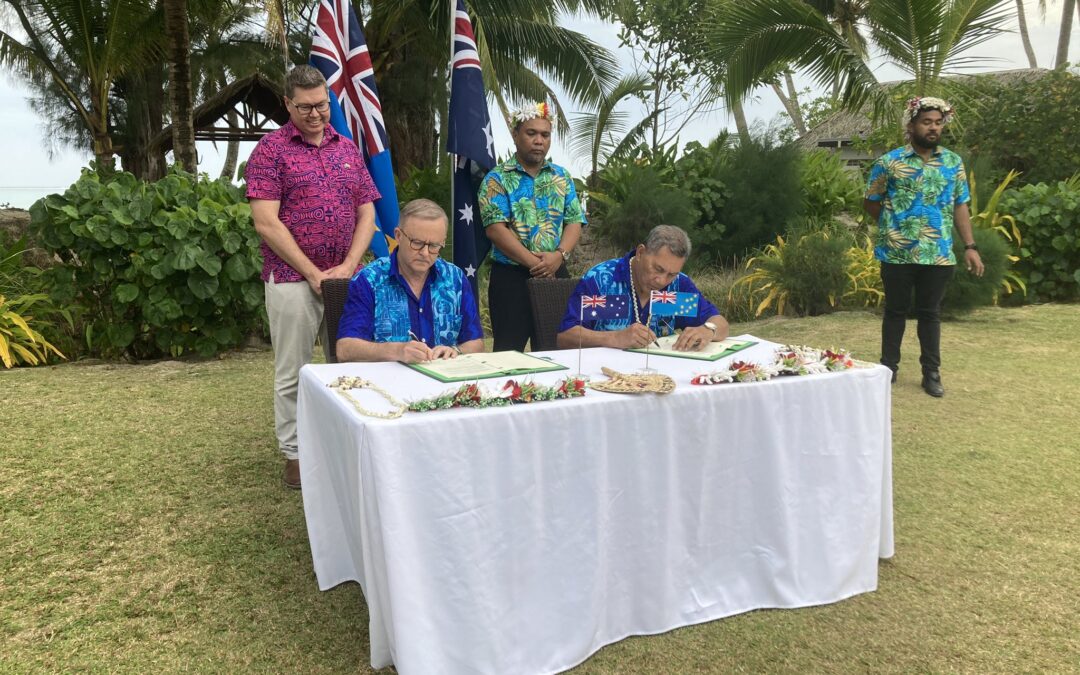
On the sidelines of the Pacific Islands Forum, Australia and Tuvalu just signed a new, major agreement—the Australia-Tuvalu Falepili Union Treaty. It binds Australia and Tuvalu much...
The Biden administration’s jarring revisionism on economic policy toward China (and by extension the world) is reviving discussions (most acute during the Trump and George W....
Dozens of regimes around the world are anti-liberal—autocratic to varying degrees—but also big fans of a "rules-based" international order, which for the past 50 years or so has been a neoliberal economic order. Not a coincidence. The reason an anti-liberal might also be a neoliberal seems rather obvious: Because they're kleptocrats and oligarchs who are getting paid! A regime doesn't need to embrace democracy in any meaningful sense in order to be a productive part of global capitalism. To the contrary, systematically suppressing collective and individual rights is a...
Whenever we talk about the liberal international order, we actually also talk about globalization. The former promoted international trade and financial liberalization , the spread of democracies, and the growth of global governance. These, in turn, promoted interdependence. Markers of global economic interdependence — such as global trade flows and global financial direct investment — increased. In integrating regions, and especially among advanced industrial democracies, boundaries lost political and cultural salience. Over the course of the 1990s, Europe took on new significance as an...
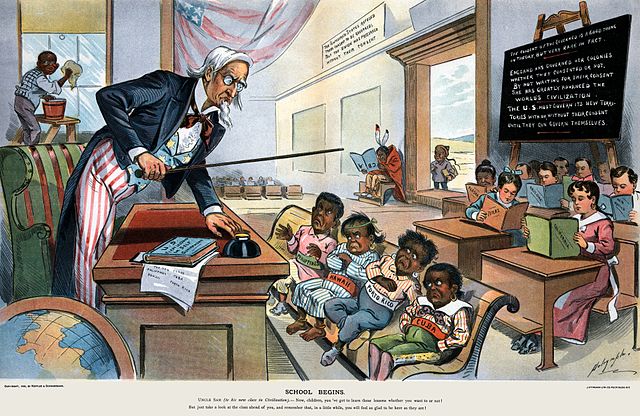
The practice of maintaining a long-term, peacetime military presence in another state (or “sovereign basing”) only developed in the last century. Before World War II, a foreign military presence usually meant one of three things: occupation, colonization, or a wartime alliance. This changed radically in the years after 1945.
“Kuzushi” is the concept of off-balancing. It refers to a tactic of getting your opponent out of a fixed position where he’ll be vulnerable, maybe getting his weight tilted too much to one side or making him overcommit to a move. With kuzushi, you aren’t achieving anything; you’re opening up a window of opportunity. Window ajar, you have a split second to advance your position. A sweep or submission attempt that would’ve been impossible under normal conditions suddenly works against an unbalanced opponent.
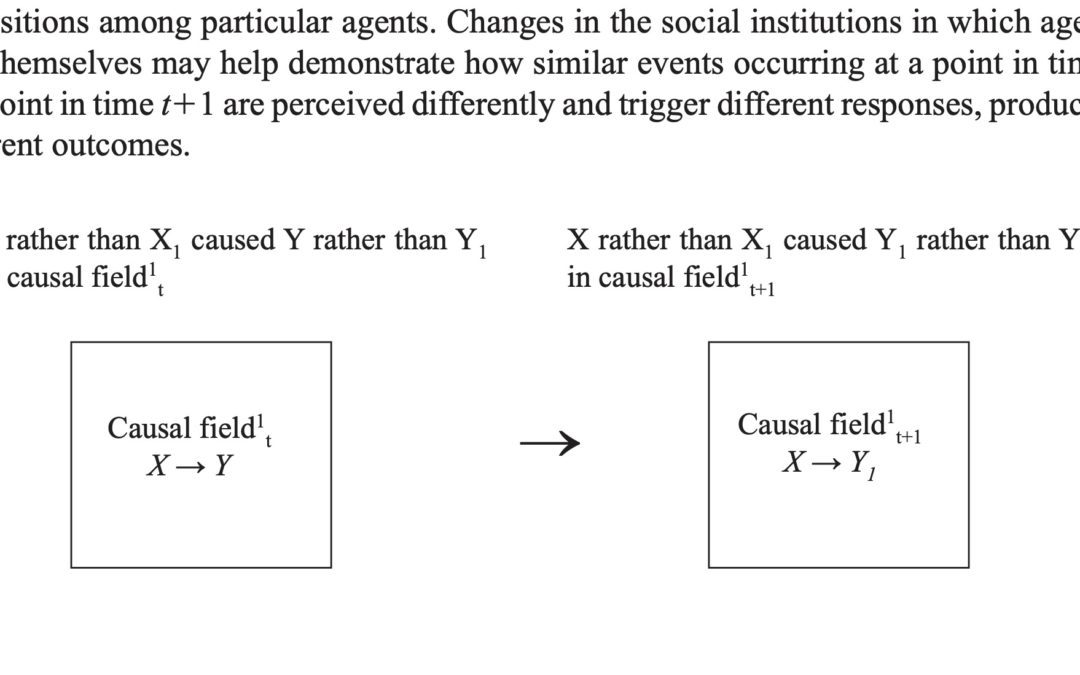
Ludvig Norman answers 6+1 questions about causal inference in interpretative scholarship
Raymond Kuo answers 6 (+1) questions about his 2021 book on why the institutional design of alliances changes over time.
Over the weekend IR Twitter was abuzz with both the Red Sox winning the world series and a multi-threaded discussion on liberal international order. Regarding the former I have very little to say except that I think Boston baseball might be overrepresented in academe (not just in political science), and that this over representation likely tracks with the clustering of elite schools in New England. But on the latter, there is much more still to be said about international order. Paul Post (@profpaulpoast) has the master summary for the twitter scholars. While I enjoyed reading up on the...