Intra-elite, state-centric society is a strategic front, and ought to be defended and put to use in the continued development of a global and decolonial turn in IR.
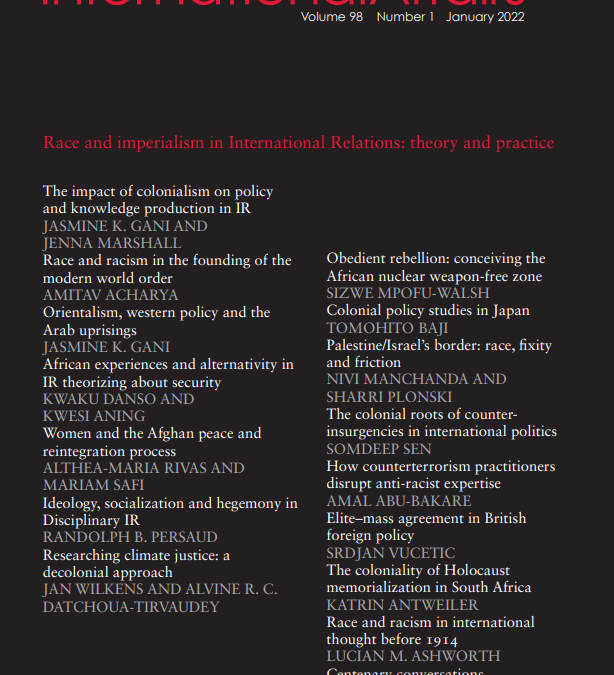
A reckoning with the traditional diplomatic community
read more
Intra-elite, state-centric society is a strategic front, and ought to be defended and put to use in the continued development of a global and decolonial turn in IR.
Even when Latin Americans are allowed to speak, IR scholars and practitioners do not listen to them due to the language in which they produce knowledge, epistemic violence and access barriers.
Decolonial methods, and the bringing of attention to race in knowledge production is necessarily historical. It demands a close re-reading of archives, forgotten texts, and sometimes “canonical” works. As a result, through this special issue and the wider work the authors build upon, we now have a very different understanding of the historical entanglements of race and international affairs knowledge.
Now that the myth of “theory-practice gap” has been largely refuted what role might IR and journals like International Affairs play in crafting a “reparative praxis”?
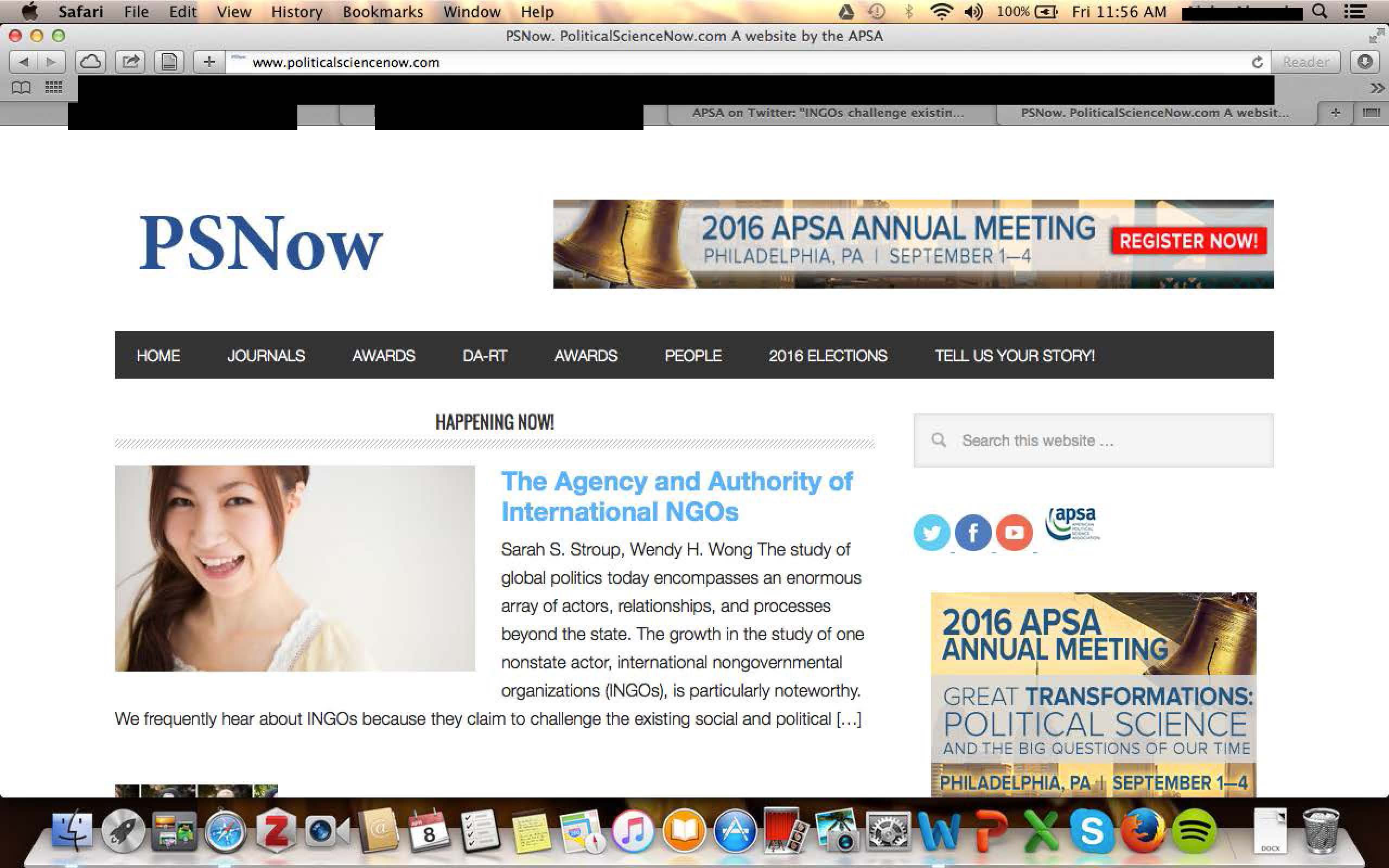
I’ve been wanting to write a Duck post about the experience of a woman with visible minority status in IR for quite some time now. I was waiting for the right moment. So thanks to the American Political Science Association (APSA), the professional association for US-trained political scientists, the moment has come. Yesterday morning, an email came from a friend with a screenshot. The screenshot showed an attractive Asian woman in a frilly top who looks like she’s having a good time looking into the camera. I was confused. Then I read the blurb next to it: this was a promotion from...
Last week, I asked a question online that was asked of me and then I asked at the ISA two weeks ago: Can you name women of color working in the US or Canada who do IR and are full professors? At the ISA, folks could only name one or two. On twitter and facebook and my blog since then, the total has increased to eleven: · Neta Crawford of Boston University. · Condoleeza Rice, who was a full prof at Stanford before becoming provost and then worst National Security Adviser. · Jacqueline Braveboy Wagner, City College of New York. · Reeta Tremblay of U of Victoria. · L.H.M Ling of the New...
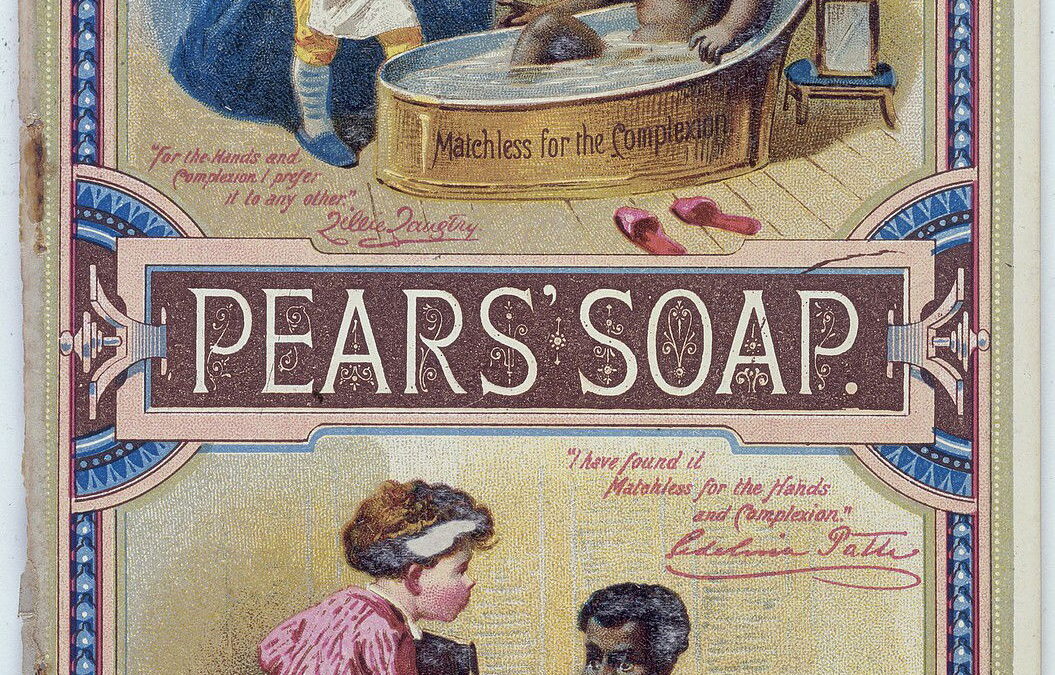
This is a guest post by Alison Howell, Assistant Professor, Department of Political Science, Rutgers Newark With the recent APA decision to prohibit their members from participating in enhanced interrogation, and the demise of the human terrain program earlier this year, the optimistic amongst us might be tempted to believe that the academy is once again purified of its collusions with torture and occupation. The work to be done going forward, however, is not just one of holding individuals to account or raising the bar of individual ethical standards. We also need to find ways of holding...
*This is a guest post by Cynthia Weber, Professor of International Relations at the University of Sussex As the International Studies Association gears up for its 2015 annual convention in New Orleans, USA, an email announcing its Sapphire Series of panels was sent to ISA members. The email reads: ‘Introducing ISA’s new initiative THE SAPPHIRE SERIES. Covering key issues in the field and in international affairs, these talks will feature scholars discussing current world events, trends in academic research, and new challenges in teaching and learning’. Great idea, it seems to me, so I click...
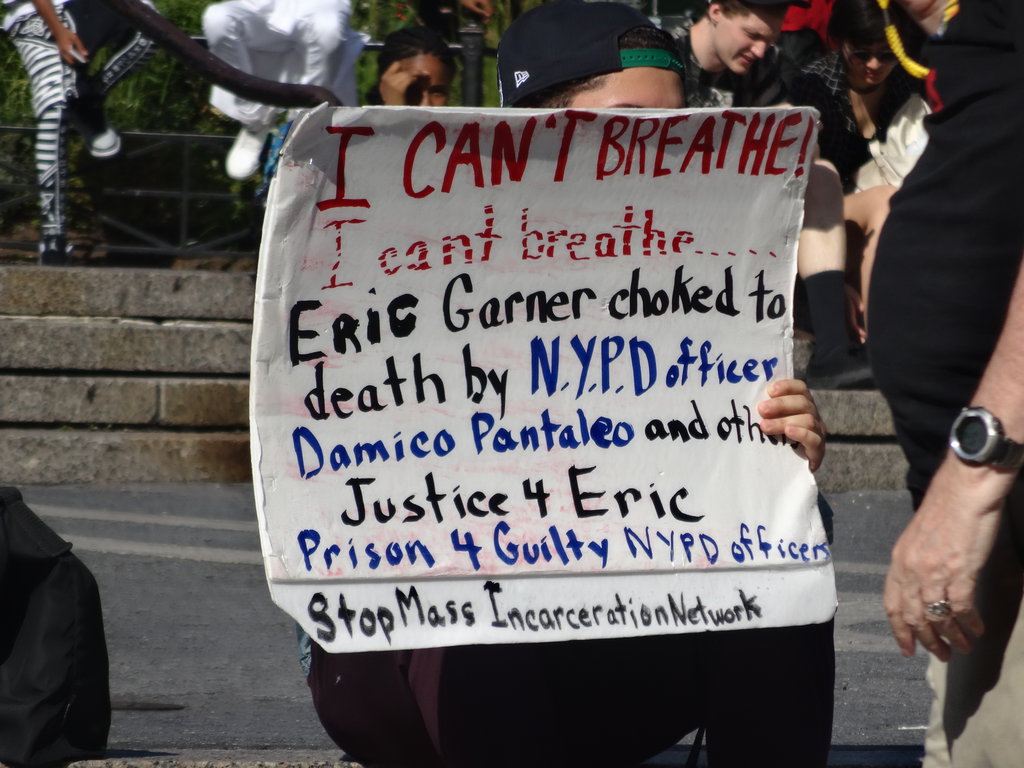
One might think that looking to the future of artificial intelligence (AI) and the recent spate of police brutality against African American males, particularly Michael Brown and Eric Garner, are remotely related if they are related at all. However, I want to press us to look at two seemingly unrelated practices (racial discrimination and technological progress) and look to what the trajectory of both portend. I am increasingly concerned about the future of AI, and what the unintended consequences that increased reliance on it will yield. Today, I’d like to focus on just one of those...
By some strange twist of fate I happened to watch the Kill Team, a documentary about the infamous US platoon that intentionally murdered innocent Afghan men while on tour. When, in 2010 the military charged five members of the platoon, the case drew international attention due to the graphic nature of the killings, evidence that the men mutilated the bodies and kept parts as trophies, and indications that the killings were part of a wider trend of 'faking' combat situations in order for soldiers to 'get a kill.' While the premeditated killing of Afghan...
Today's thought experiment: A foreign national is killed in your state, igniting emotional protests and a road blockade by members of his community. Your state is almost entirely economically dependent on tourism. There's standard boilerplate for these events, right? You express regret, you pledge to investigate the murder, you vow that locals who violently attacked protesters will also be brought to justice. Now imagine that it was a Nigerian national who had been killed. And the death may have been linked to rival drug gangs fighting over territory. Does the picture change? Recent events...
Dan's post on his self-experiment in raising citations to female scholars has drawn a critical comment from someone who wonders about whether similar patterns exist with reference to minority scholars and scholars from outside North America. The issues of gender, race, and national (regional) origin are distinct, but if we're going to have a wide-ranging discussion about inclusion and exclusion in the field then we ought to address these issues squarely. Just to be clear about the parameters of this discussion: it seems clear to me that we need to discuss the recruitment, retention, and...