Intra-elite, state-centric society is a strategic front, and ought to be defended and put to use in the continued development of a global and decolonial turn in IR.
In this “Whiskey Optional” episode, PTJ facilitates a conversation among four colleagues from dif…
What happens when a research subject becomes a research and briefing partner? In 2017, I was contacted by the peacebuilding NGO Peace Direct to contribute to a policy report on...
The ISA statement lacks not only comparative history but also local historical depth. It also distorts moral responsibility.
Mentoring starts with how we ourselves act and move through our shared academic world. The more that each of us, particularly those in positions of relative power, can be honest and open about our own diverse identities, the more space we create for others to do the same.
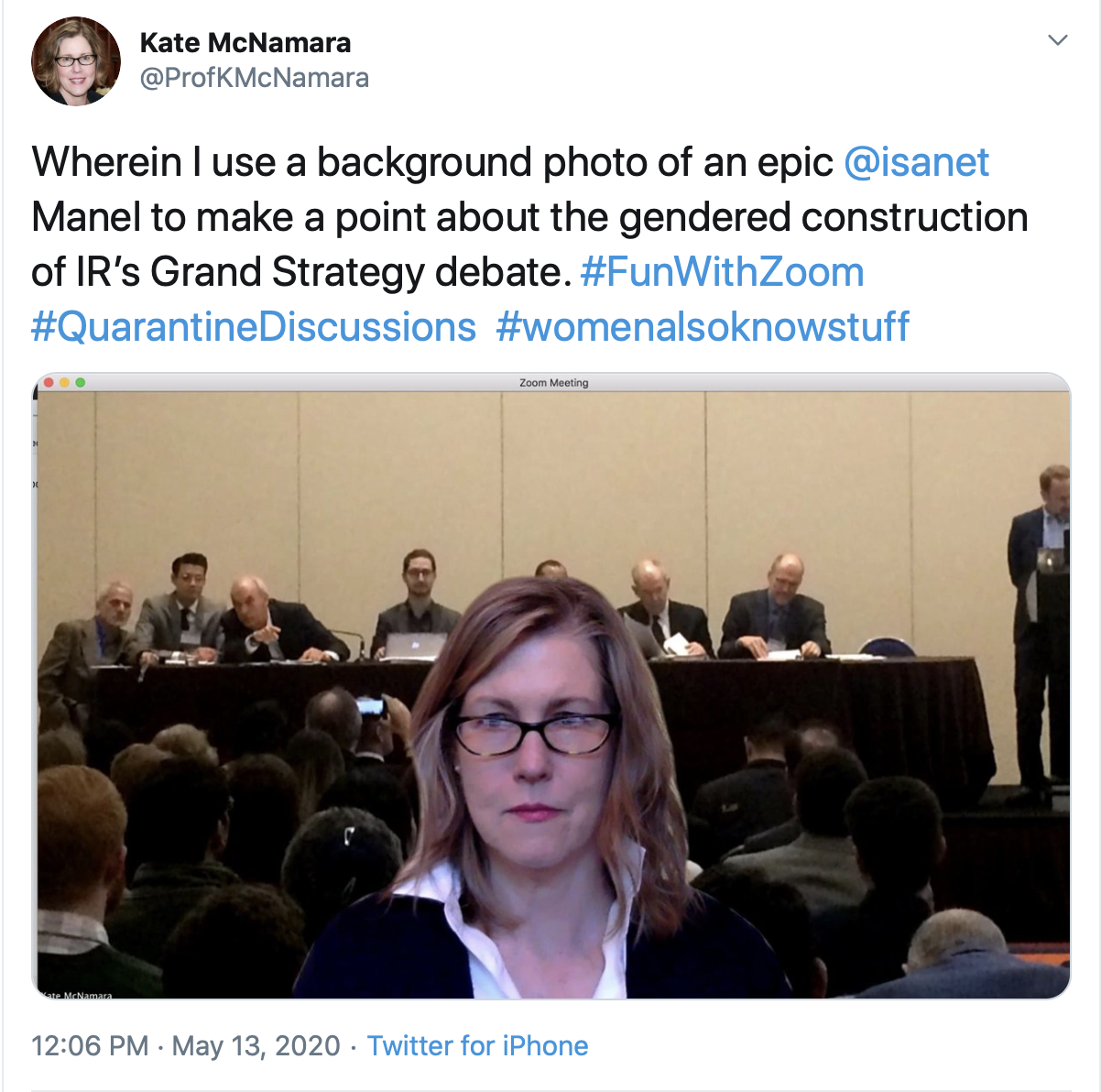
Recent events make it clear: whether loved or loathed, government policies are central to our lives. That’s why public policy schools are devoted to understanding the causes, design, implementation, and effects of government policies. And it’s why some political scientists (including me) feel the pull to work in both a political science department and a policy school. But if we make this choice, what goes from optional to required? For answers, look at Georgetown University faculty member Kate McNamara, the 2020 recipient of a prominent mentoring award from...
What was it like to have Kate McNamara a mentor?
Kate’s has always been my favorite voice in any room. In our current moment especially, it is a voice that has become vitally important for women in the profession as well as so many others marginalized in the academy.
This piece kicks off a short forum on mentoring in academic careers in international affairs, written to honor Kathleen R. McNamara.
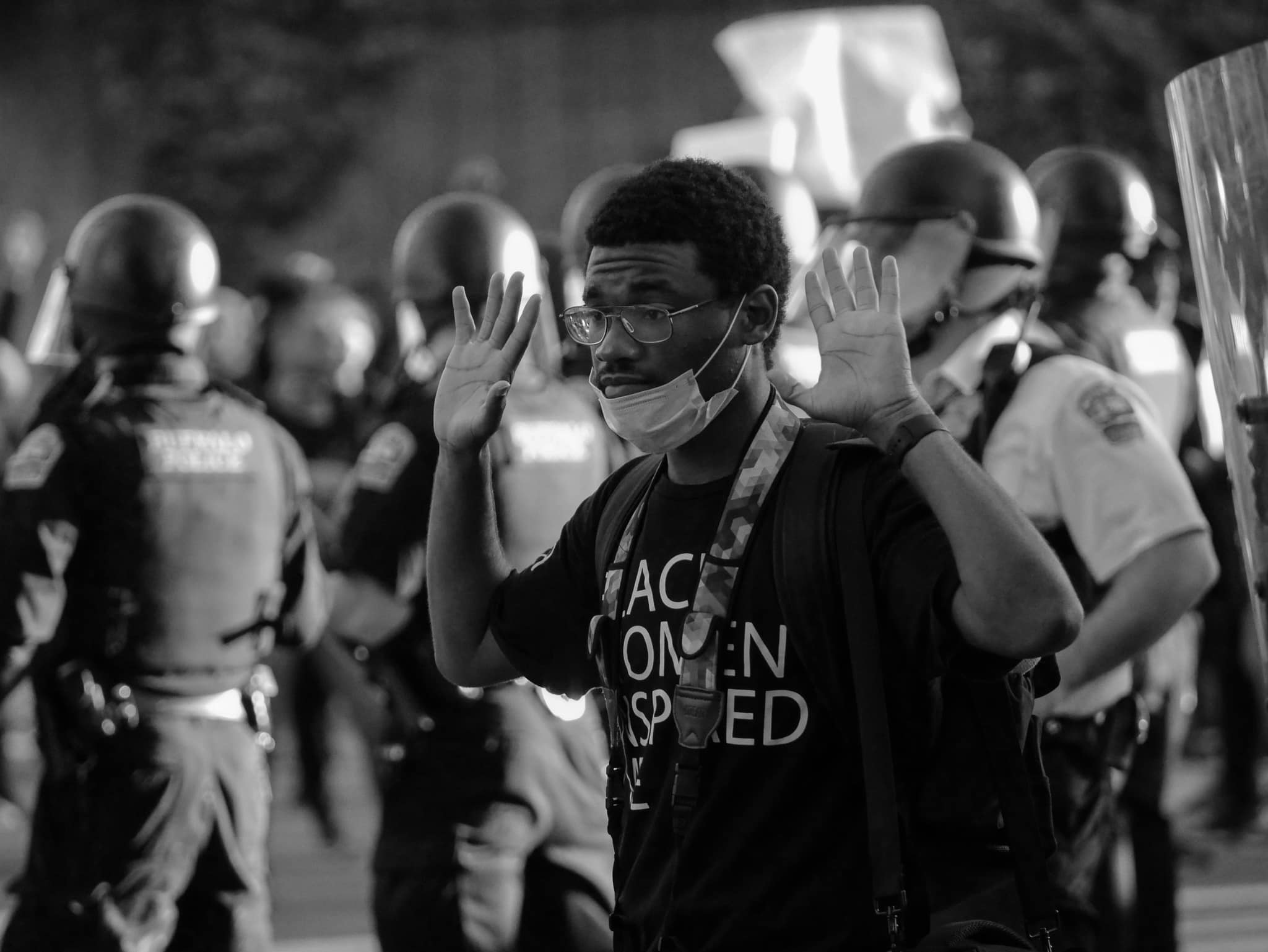
Sadly, it took the extrajudicial killing of yet another unarmed black man at the hands of the police for me to find my voice about finishing a dissertation under quarantine during a pandemic. I have considered whether or not I should write something every day since my quarantine began on March 16th but could never nail down what that would actually accomplish. It wasn’t important or noteworthy that I was neither mentally prepared nor had the infrastructure in place to write extensively and exclusively from home. It wasn’t important or noteworthy that I was under veritable house arrest...
In case you missed it, quite the IR controversy has broken out. In August 2019, Alison Howell and Melanie Richter-Montpetit (hereafter H&RM) published “Is securitization theory racist? Civilizationism, methodological whiteness, and antiblack thought in the Copenhagen School” in Security Dialogue (SD) OnlineFirst. The authors conclude, after a tendentious (my assessment) reading of Security: A New Framework for Analysis(1998) and Regions and Powers (2003) that securitization theory is fundamentally racist and, deemed unsalvageable, should be ejected from security...
The following is a post by ISA journal editors Krista Wiegand (International Studies Quarterly), Debbie Lisle (International Political Sociology), Amanda Murdie (International Studies Review), and James Scott (International Studies Perspectives). There has been a lot of talk in academia about the many negative consequences the COVID-19 pandemic has generated, ranging from declining enrollments, inability to travel for field research or conferences, and research productivity working from home. As editors of the International Studies Association (ISA) journals, we started noticing some new...