Even when Latin Americans are allowed to speak, IR scholars and practitioners do not listen to them due to the language in which they produce knowledge, epistemic violence and access barriers.
Articles by authors with foreign-sounding names are cited far less than those written by people with “typically-American” names.
For Mearsheimer “freedom” and “prosperity” are simply weapons of great power politics rather than aspirations sought by the Ukrainian people.
It's been a rough week for John Mearsheimer. He has come under a barrage of criticism for his claim that Russia's aggression towards Ukraine is the West's fault. His theoretical tradition, realism,...
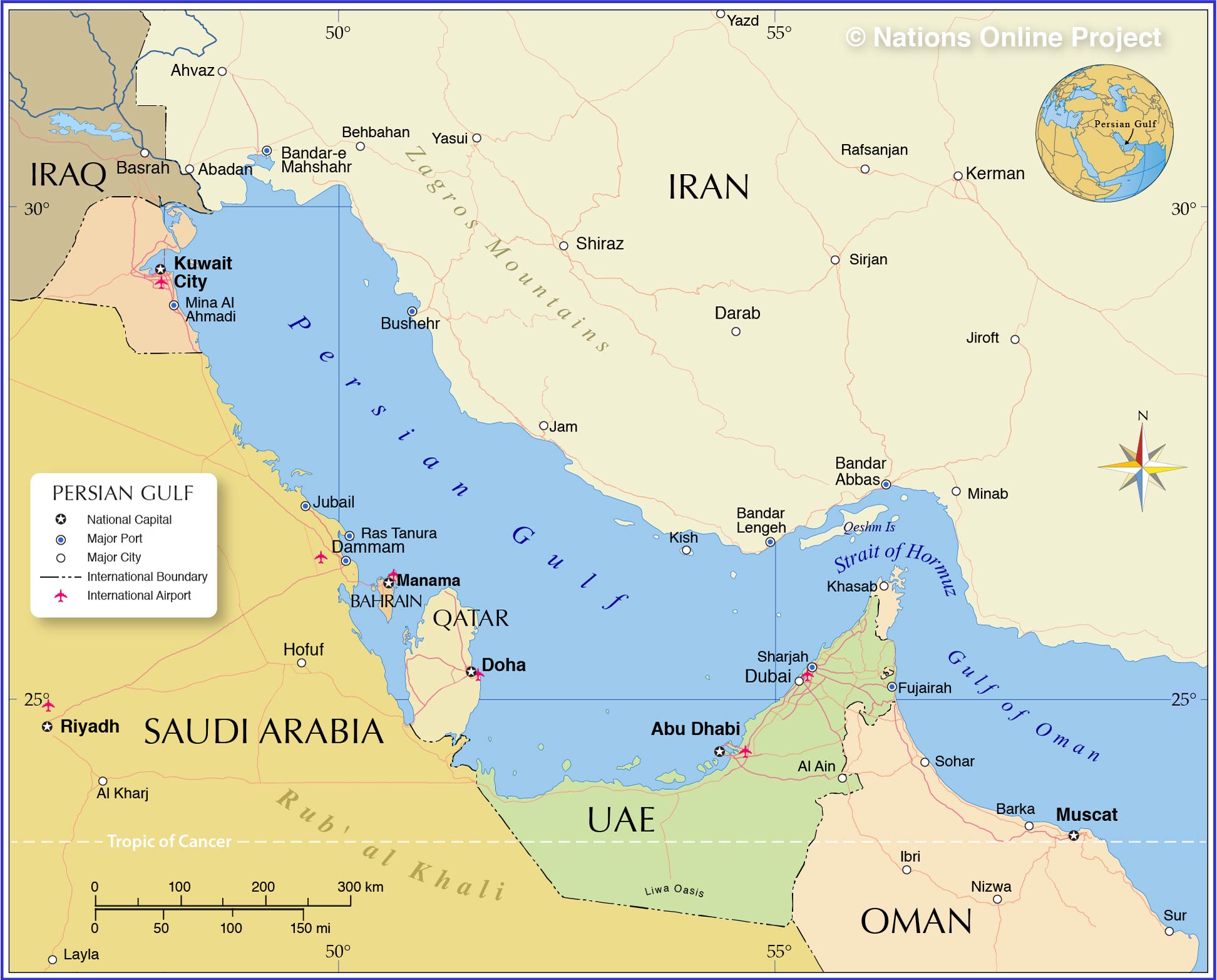
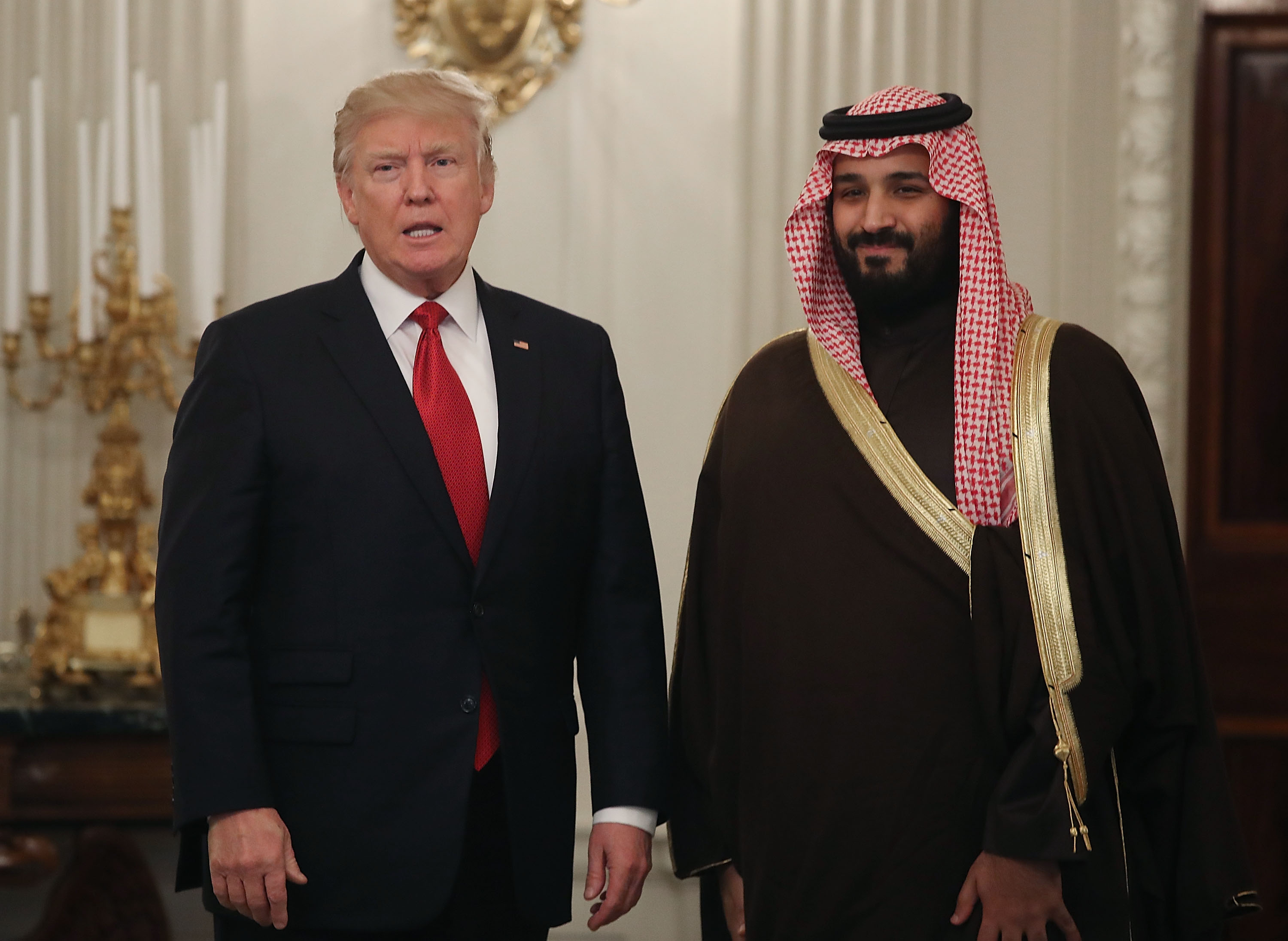
We've all spent the weekend processing the killing of Iranian official Qassim Suleimani by a US airstrike. While this is obviously very important, we should think about a secondary implication of this act--how this undermined the apparent Middle East analyst consensus that America was pulling back from tensions with Iran, and how this consensus even emerged in the first place. A few months ago I noticed something interesting. Saudi Arabia, after adopting a hostile foreign policy on Qatar and Yemen--motivated by its fears of Iran--seemed to be getting nervous. They'd issue warning signs about...
Four years ago I accepted a job at a university in the UK. When I took the job I didn’t think a whole lot about how working in the UK might differ from my previous academic posts in the US. I’m an American, and though I have British friends who work at UK universities--one of whom warned me “not to be fooled by the fact that we speak the same language”--I was woefully underprepared for just how distinct the two higher education systems are. Brits and Americans do speak the same language, but there are significant differences in their use of terminology. It’s not just that we use different...
I had a piece in the Washington Post's "Monkeycage" over the weekend, which you can read here. I noted that many worry Saudi Arabia and the UAE will pull America into war with Iran. But it actually looks like they're the ones restraining us. The piece was inspired by the famous "chain-ganging" dynamic in IR scholarship, but there was little discussion of that as it was geared towards a broader audience, so I wanted to expand here. I suspect most readers of this site had to read Christensen and Snyder's "Chain gangs and passed bucks" at some point. In case you didn't, the argument is...
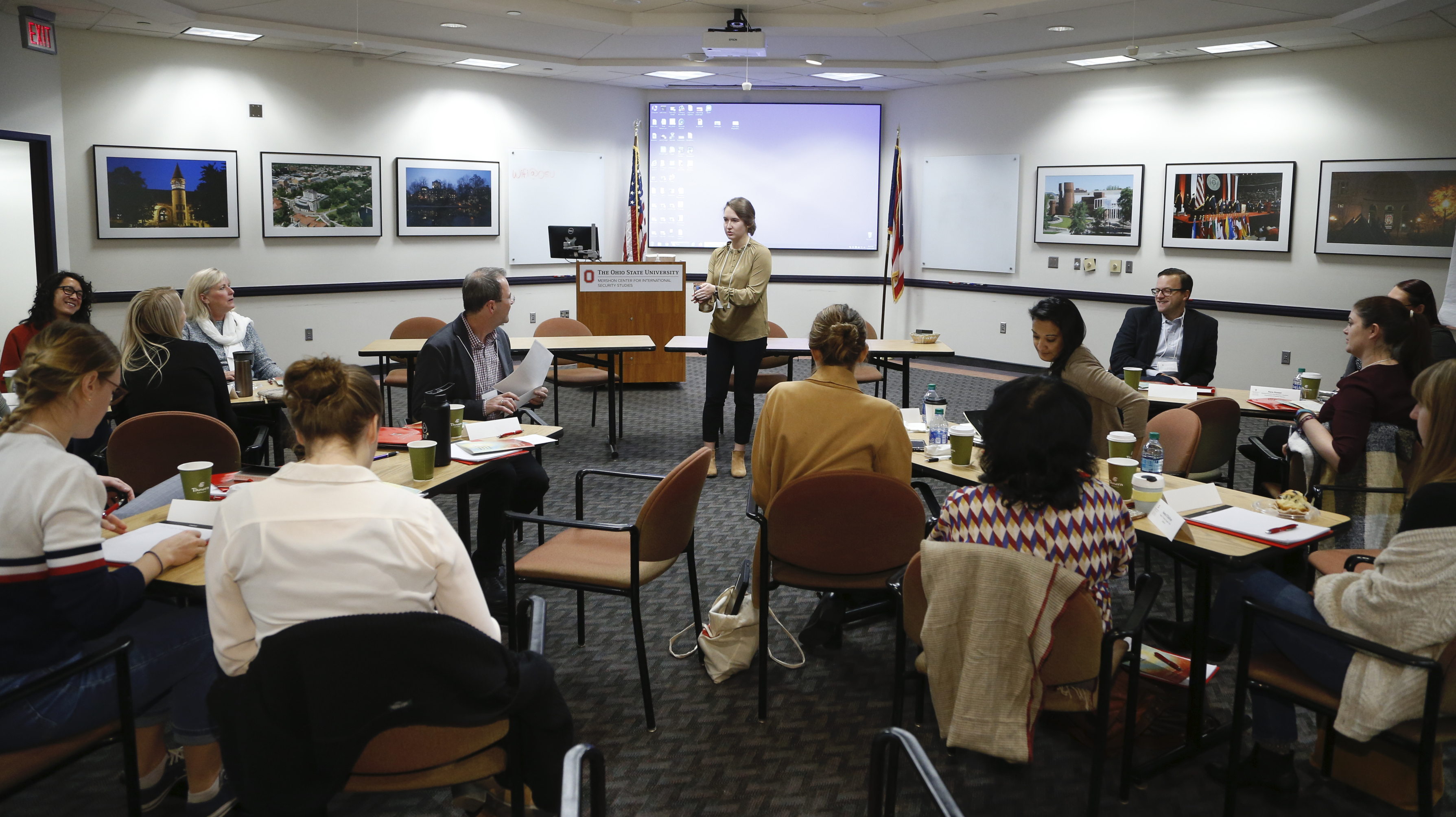
This is a guest post by Kara Hooser and Austin Knuppe, Conflict to Peace Lab, Mershon Center for International Security Studies, The Ohio State University Rebuilding social cohesion—restoring bonds of social trust that bind people together in communities and enable them to peacefully coexist—commonly serves as a central goal for peacebuilders engaging in communities fractured by political violence. Despite a growing consensus about the necessity of promoting social cohesion in the aftermath of widespread violence, questions remain about how scholars, practitioners, and donors can collaborate...
Earlier this year, our team at the Sié Center at the University of Denver announced our program on the three R’s of Academic-Policy Engagement (or R3, if you prefer): Rigor, Relevance, and Responsibility. Generously supported by the Carnegie Corporation of New York, our program is intended to both study and help train early-career scholars around the ethical issues that arise when academics—who face ever-increasing pressures to demonstrate the broader social impacts of their research—attempt to interface with policy audiences. Broadly speaking, our scholarly community is doing...
As a reviewer and recipient of reviews, I've noted a recent trend among IR papers. A study uses cross-national data with regression analysis, and runs multiple models with different variables or sub-sets of the data. Sometimes the results are consistent, sometimes they aren't. But often a reviewer will object to the study's validity, pointing to the "multiple comparisons" issue. Multiple comparisons can be a real problem in quantitative IR studies, but I worry we're mis-diagnosing it. What do I mean? Imagine we're writing a paper on interstate conflict. We could measure conflict onset,...
I had a kind of unique path to my current tenure-track job, straddling the policy-academia divide. So I've followed current discussions on "alt-ac" careers with interest, but found something lacking in them. Nathan Paxton's recent interview with APSA crystallized that; the bigger question is not how to support alt-ac PhDs but how to counsel people before getting PhDs in the first place. As I've discussed, I sort of followed the "alt-ac" approach in the first part of my career. For those who haven't seen it, "alt-ac" means "alternative academic," referring to PhDs who pursue jobs outside of...
Note: This is the third post in an occasional series in which I talk about lessons learned (or related stuff) from my time editing International Studies Quarterly. My prior posts focused on "best practices" for writing decision letters (Part I and Part II). I won't knowingly review for a journal that doesn't, as a matter of policy, share anonymized copies of decision letters and reviewer reports with referees. Once a journal makes a decision and I don't receive these materials, I usually check to make sure that mistakes weren't made – that I didn't accidentally delete the notification or...