Reacting to a recent event on the study of religion, conflict and peace
I started this post sort of confessionally. It's been a while since I wrote on the blog. I had started one earlier this year on the destruction of USAID and PEPFAR but redirected my energy into...
I get emails. Sometimes they find me well; sometimes they try to convince me that I need to bring artificial intelligence (“AI”) into the classroom. “AI is going to revolutionize higher education!”...
Over two decades have passed since the horrifying 9/11 attacks. Do we have a consensus understanding of the radicalization process in communities that supported or filled the ranks of jihadist...
There is no shortage of knowledge produced in various traditions and diverse scholarly communities. There is no lack of theoretical traditions and political thought that come from non-Euro-American and mainstream canons. There is also no shortage in theoretical concepts and approaches to global politics that are not produced in Anglophone spaces. Rather, there is still in mainstream IR a major problem of literacy to access, integrate, and dialogue with this wealth of IR scholarship produced in and from the margins
Even when Latin Americans are allowed to speak, IR scholars and practitioners do not listen to them due to the language in which they produce knowledge, epistemic violence and access barriers.
Decolonial methods, and the bringing of attention to race in knowledge production is necessarily historical. It demands a close re-reading of archives, forgotten texts, and sometimes “canonical” works. As a result, through this special issue and the wider work the authors build upon, we now have a very different understanding of the historical entanglements of race and international affairs knowledge.
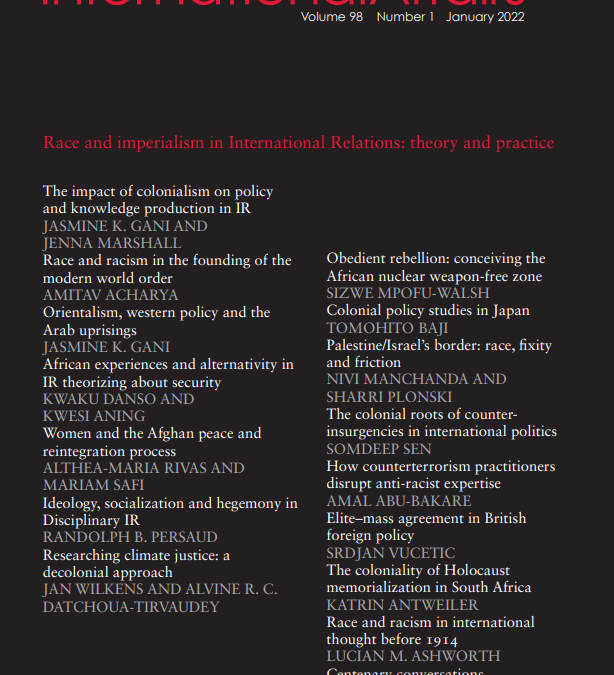
The International Affairs Centenary Special Issue on “Race and Imperialism in International Relations: Theory and Practice” was published two years ago in the aftermath of the global Black Lives Matter movement; it marked an atypical period of introspection by many scholars, departments, and journals of International Relations on the general paucity of attention given to matters of race and imperialism in IR research and teaching.
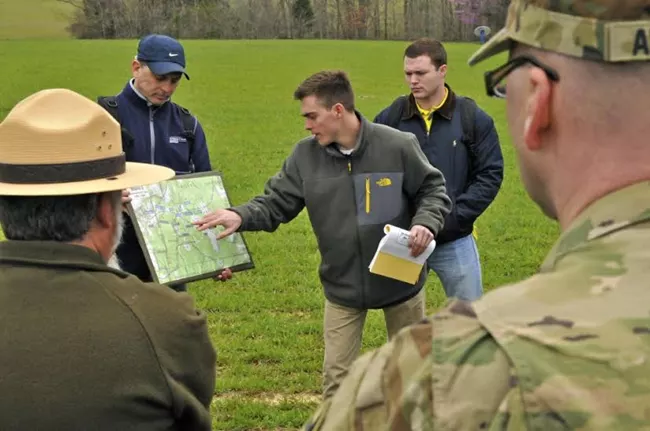
Over the past few decades, Political Science has seen an increasing institutionalization of Scholarship on Teaching and Learning (SoTL) through journals, book series, and professional associations. Over at PS: Political Science and Politics, we add to this body of literature by making the case for a pedagogical practice borrowed from Professional Military Education (PME)—the staff ride. A staff ride combines the study of historical campaigns with structured visits to relevant sites and after-action analysis, offering a unique and immersive learning experience. While staff rides originate in...
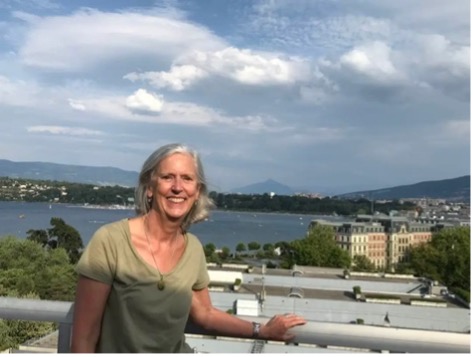
This is the fourth post in our series of remembrances on the late Susan Sell. Susan and I were both conducting research in Geneva in the summer of 2022, she was at the World Trade Organization, and I was working in the archives at the International Committee of the Red Cross. Our hotels were right next to each other, so we met up one night and walked along Lake Geneva into town looking for a place for dinner. As we sat down, Susan, in her inimitable way, scrunched up her face in both disgust and disbelief—the man next to us was chain smoking and blowing smoke our way. I chuckled. Susan was...
This is the third in our series of remembrances on the late scholar Susan Sell. Professor Susan Sell was a world class scholar. But even though one of the papers she wrote (about using ideas strategically) was very influential in my personal intellectual development, I don’t want to say something about that. The thing I want to say about Susan is that she was the antithesis to so many of the negative tendencies that you can see in academia, while at the same time holding the highest intellectual standards. In this way she is a personal hero to me and a model for how I...
This is the second in our series of remembrances on the late scholar Susan Sell. Since I learned of Susan’s untimely passing on Christmas Eve, I’ve been trying to articulate exactly how important Susan was to me, both professionally and personally. It’s especially hard since Susan is pretty much the reason why I have a career in academia. So, I’ll write about the second time I met Susan. It was April 2013. I was nine months into my first academic post, a tenure-track assistant professor at Brock University in St. Catharines, Canada. Susan’s ground-breaking work on the international political...