126 countries now publish a national security strategy or defense document, and 45 of these feature
a leaders’ preambles. How these talk about the world, or not, is surprisingly revealing of historical
global strategic hierarchies.
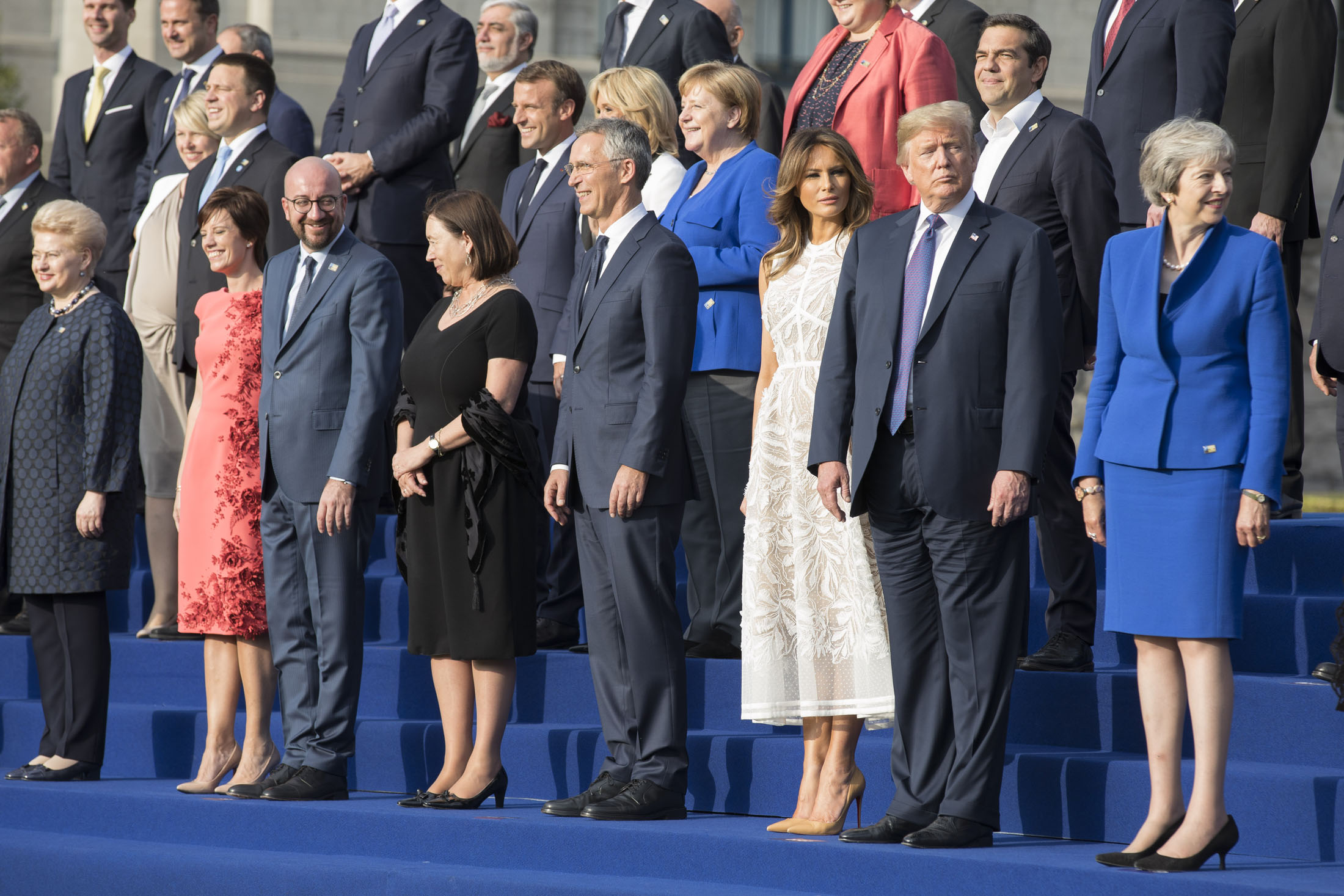
126 countries now publish a national security strategy or defense document, and 45 of these feature
a leaders’ preambles. How these talk about the world, or not, is surprisingly revealing of historical
global strategic hierarchies.
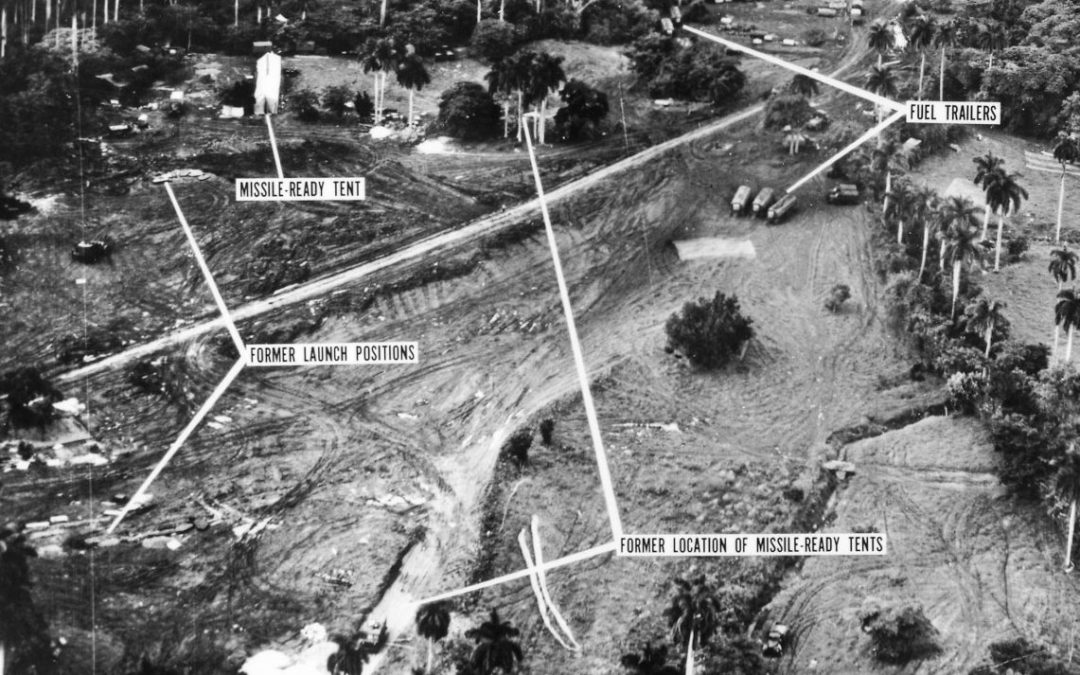
This post is the first in a four part symposium on the Cuban Missile Crisis, one of the the most studied cases of IR. With the release of documents in recent decades, historical...

I think a lot of people are kidding themselves about what grand strategy is—it’s worldmaking. It’s an attempt to put the power of the state in service of grand political purpose. States big and...
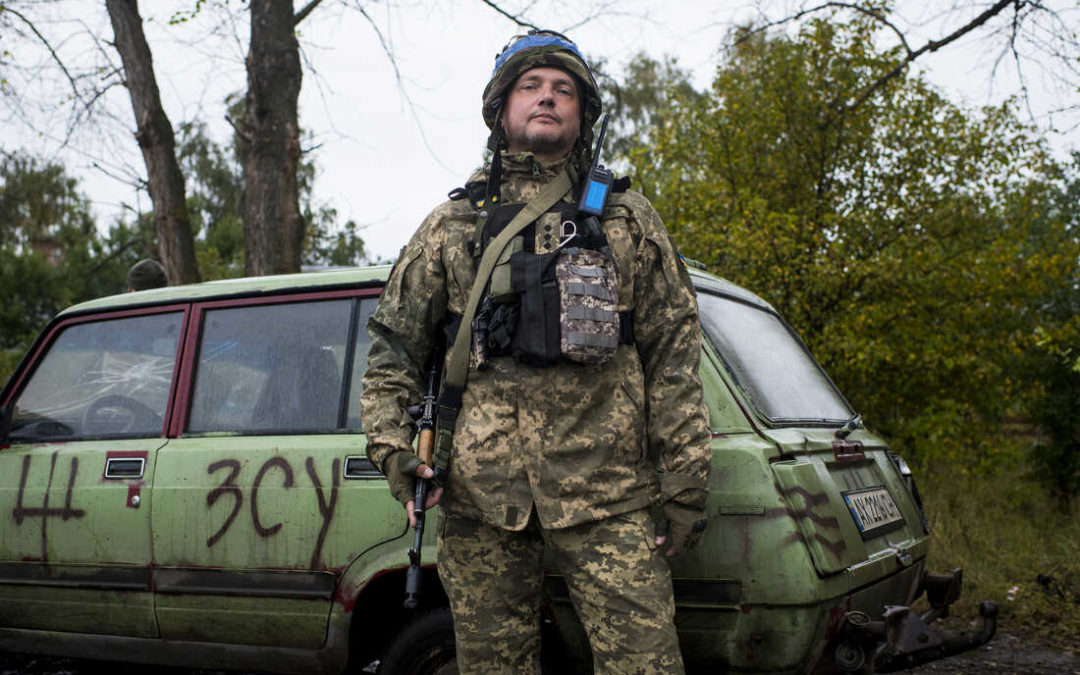
Many around the world are on edge over the possibility of Vladimir Putin using tactical nuclear weapons to stem Ukraine's battlefield successes. This has revived calls, present since before Putin...
The news out of Kandahar is pretty awful: the top leadership of the province was killed in an apparent attempt to kill General Austin Miller, the commander of US and NATO forces in the country. There is not many details, but the WashPost account is suggestive of some key dynamics and challenges. First, it sounds like the killer was apparently part of the provincial governor's security team. Not great. It does seem like the primary threat in Kandahar to elites are their security teams, as I seem to remember it was also a member of Ahmed Wali Karzai's security team that killed him. Second,...
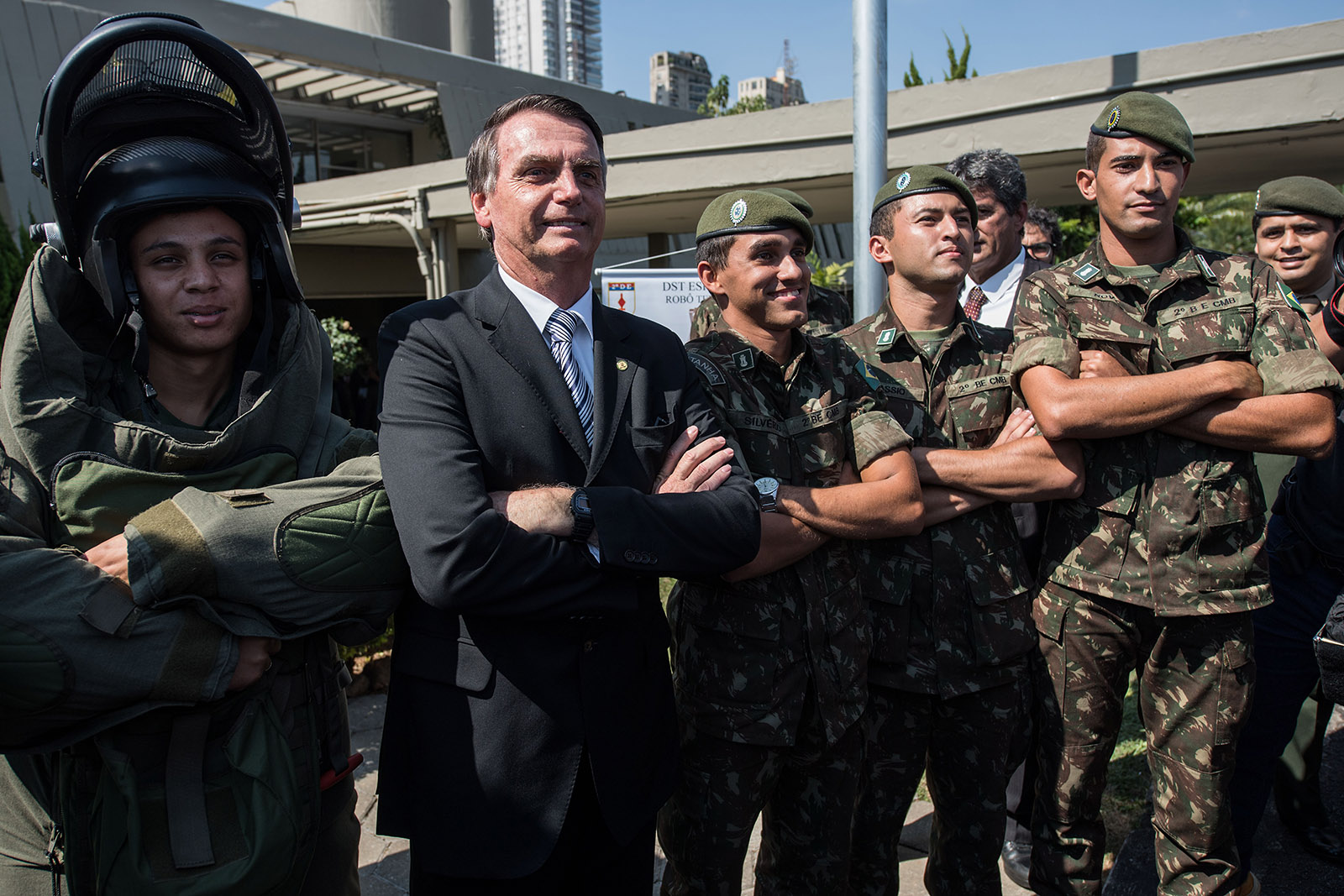
In under two weeks, Brazil will have the second round of its presidential election. Former military officer and fan of fascists Jair Bolsonaro looks set after a strong first-round showing to defeat Workers’ Party (PT) candidate Fernando Haddad. If he wins, Bolsonaro will have strong party backing in Congress, though he does not care much for the legislature—in 1999, Bolsonaro said Brazil’s 1964-1985 military dictatorship “should have killed 30,000 people more, starting with Congress and [then-President] Fernando Henrique Cardoso.” Bolsonaro’s running mate is retired General Hamilton Mourão,...
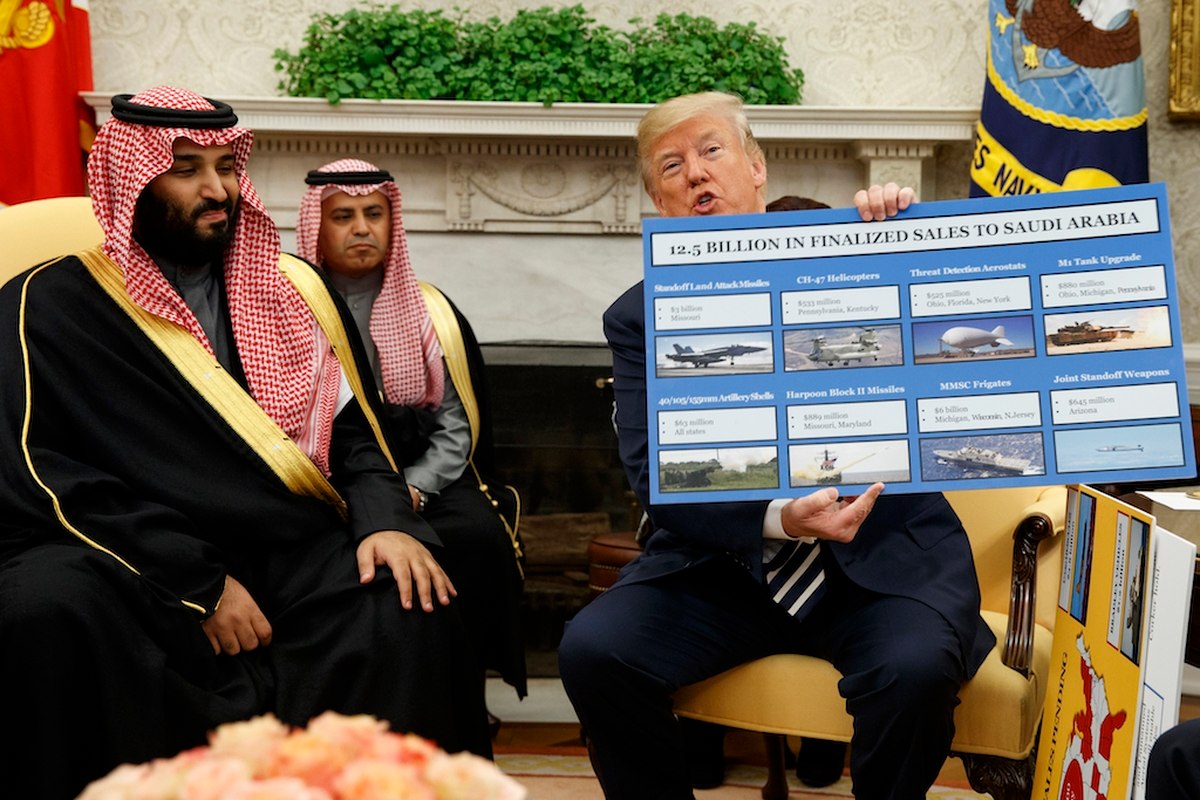
This post comes from Jennifer Spindel, Assistant Professor in the Department of International and Area Studies at the University of Oklahoma and a 2018 participant in Bridging the Gap's New Era Workshop. The disappearance and suspected murder of Saudi journalist Jamal Khashoggi this month has led to calls for the US to suspend arms sales to Saudi Arabia. President Trump has ignored these calls, saying “it would not be acceptable to me” to cease arms sales to Saudi Arabia because doing so would hurt the US economy. Arms sales have been a remarkably consistent news topic, from discussions...
This post comes from Dr. Fabiana Sofia Perera, Assistant Research Fellow at the William J. Perry Center for Hemispheric Defense Studies and a 2016 alumna of Bridging the Gap's New Era Workshop. Defense Secretaries from the countries of the western hemisphere will convene in Cancun, Mexico next month to talk about the most pressing issues facing defense and security institutions in the Americas. The biannual meeting presents an important opportunity for the US to engage with Latin America as the hemisphere continues to try to work together to address the humanitarian crisis in Venezuela and...
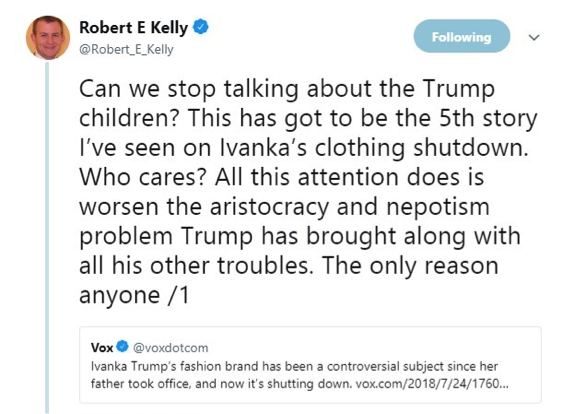
This is a guest post from Eric Van Rythoven. Eric Van Rythoven recently finished his PhD at Carleton University studying emotion, world politics, and security. His work is published in Security Dialogue and European Journal of International Relations. There is a recurring frustration among observers of the Trump administration that commentary easily becomes distracted. Stories about the Trump family’s everyday nepotism and corruption may be important in the context of a so-called ‘normal’ presidency, but these are small marbles when compared to the administration’s catastrophic performance...

This post comes from Steve Weber, Professor at the I-School and Department of Political Science and Director of the Center for Long-Term Cybersecurity at the University of California, Berkeley, and a co-director of the Bridging the Gap project. It has become common in 2018 to hear that the United States and China are locking themselves into an Artificial Intelligence 'arms race'. While global politics will certainly change in the machine learning era, the supposed 'arms race' between the US and China may turn out to be less interesting and relevant in this world than the relationships...
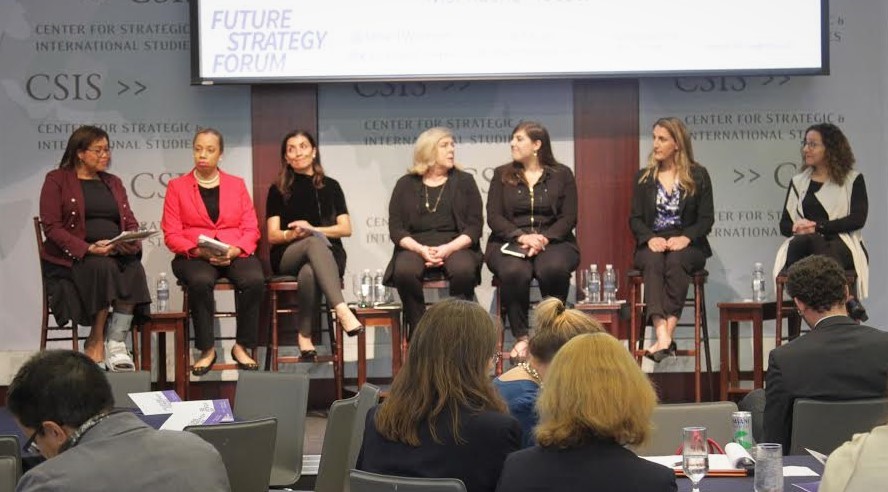
This post in the Bridging the Gap series come from Sara Plana and Rachel Tecott, doctoral candidates in the Department of Political Science at the Massachusetts Institute of Technology. (Sara is also an alumna of BtG's New Era Workshop.) They are the founders of the Future Strategy Forum and co-organized the Future of Force conference held in May 2018. Follow them on Twitter @saracplana and @racheltecott. Last month, the Center for Strategic and International Studies and the Kissinger Center at John Hopkins SAIS hosted a conference on the “Future of Force,” inaugurating a new series called...
In March, I argued that the connections between climate change and security are complex, contingent, and not fully understood. Most of the academic literature has firmly focused on conflict onset with the broader security consequences largely understudied . For policy audiences, the nuance can be frustrating. It is difficult to know what to do with such complexity, other than talk broadly of climate change as a "threat multiplier." However, the policy community does not have the luxury of waiting for academics to reach some consensus on climate-conflict links that might never materialize....