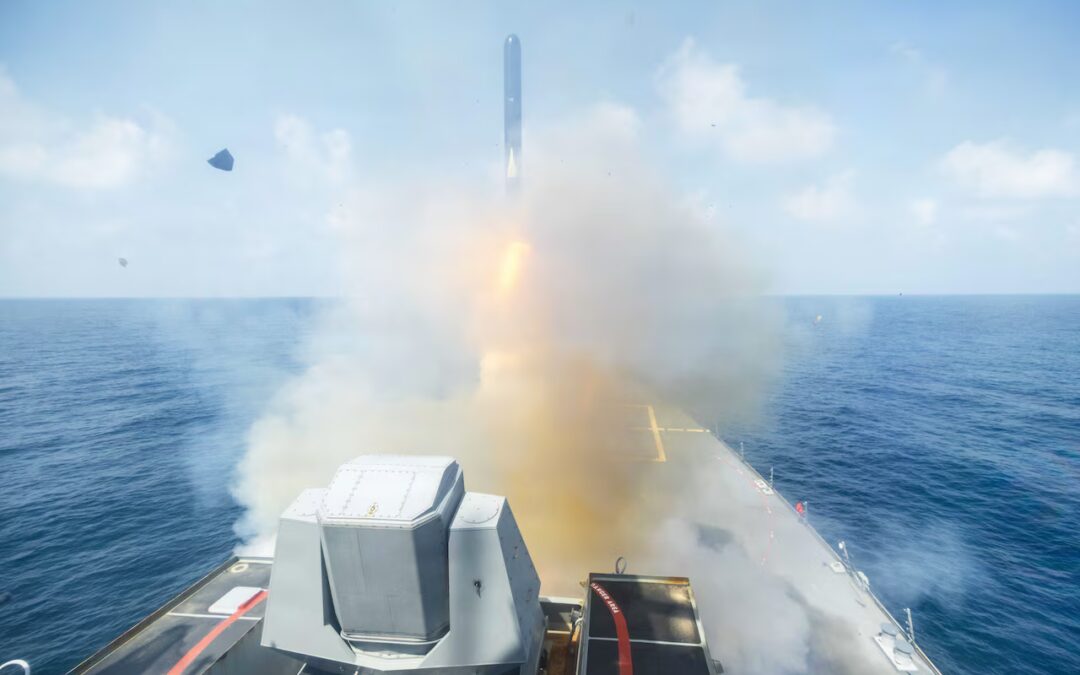
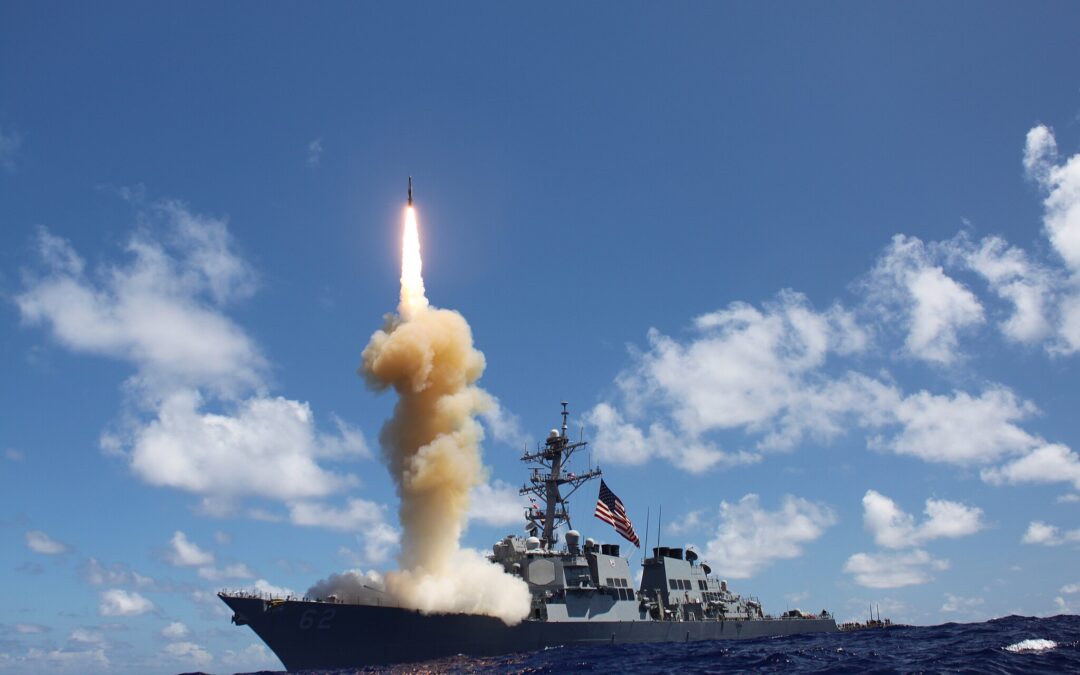
Over the past month, U.S. President Donald Trump has shifted from misogynistic jabs to full‑scale performances of militarized authority, an evolution entirely consistent his political...
On Easter Monday, Pope Francis died at the age of 88. His passing marked the end of a 12-year papacy characterized by a commitment to the poor, an insistence on peace over posturing, and an...
With the news avalanche that is Trump, it’s hard to keep track of all the outrageous things he says and does. With his recent very vocal attempts at land grabs (that we are not entirely sure will...
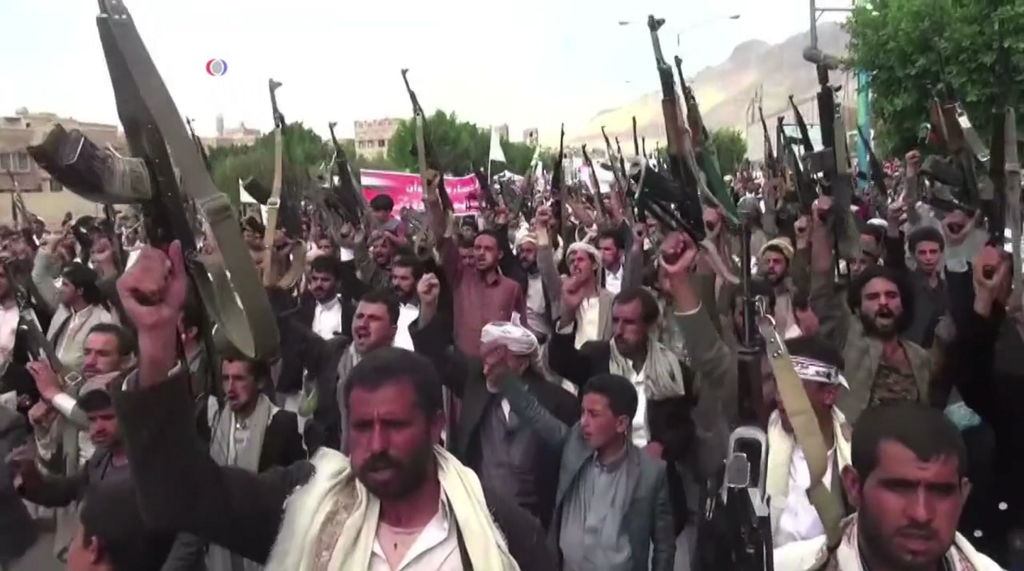
As someone who studies terrorism and religion, I approach each Christmas with dread due to the possibility of terrorist attacks around the holiday. A string of bombings hit churches in Indonesia and...
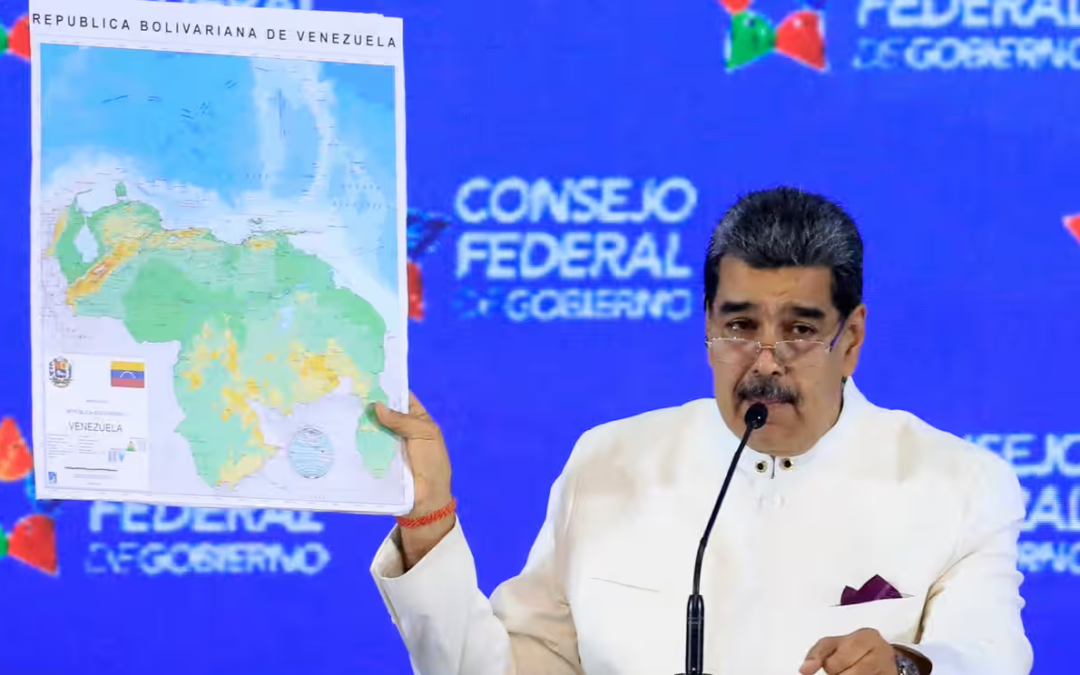
As if there was not enough trouble around the world as it is, Nicolas Maduro, the autocratic president of Venezuela, has kept us at the edge of our seats for the last couple of weeks after calling for a referendum to incorporate Guayana Esequiba—two-thirds of neighboring Guyana—into Venezuelan territory, issuing new maps, announcing plans to drill oil from the territory, and exercising a fiery rhetoric. The reactivation of this territorial dispute is particularly puzzling in a region with a strong territorial integrity norm. Pessimists raised some alarm about the influence of new...
The Blue Pacific is far from monolithic—diverse in its politics, regime types, degrees of sovereignty, and ways of thinking about strategy. Given its bigger-than-continental scale, it could hardly be otherwise. And there are problematic sub-regional cleavages among Micronesia, Polynesia, and Melanesia. But there’s a stronger imprint here of what I recognize as an organically progressive strategic culture than elsewhere in the world. It’s not that everyone here is progressive or espouses a coherent strategic-cultural perspective—not even close. And patriarchy is a huge problem in some Pacific...
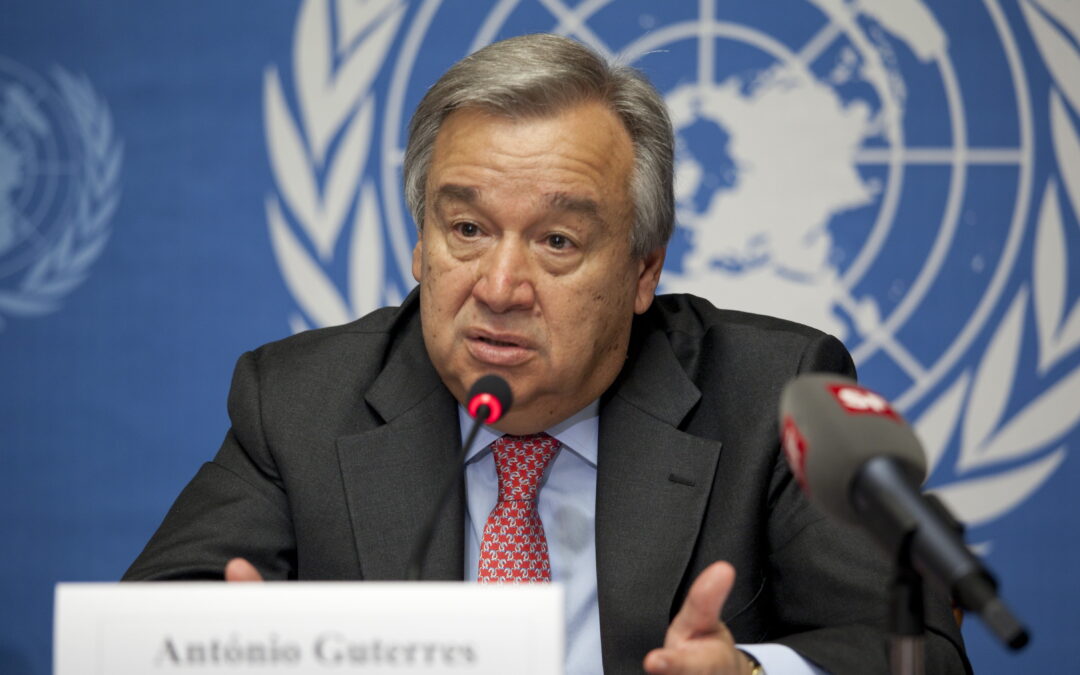
The foreign policy world was abuzz this morning with the news that Antonio Guterres invoked Article 99 of the UN Charter over the Israel-Hamas conflict. This allows the Secretary General to bring an issue before the Security Council, and call on them to act. Many are cheering this, seeing it as a way to stop this conflict, but Guterres' record should leave some wary. What is Article 99? Article 99 in the UN Charter allows the UN Secretary General to "bring to the Security Council's attention any matter which in his opinion may threaten the maintenance of international peace and security."...
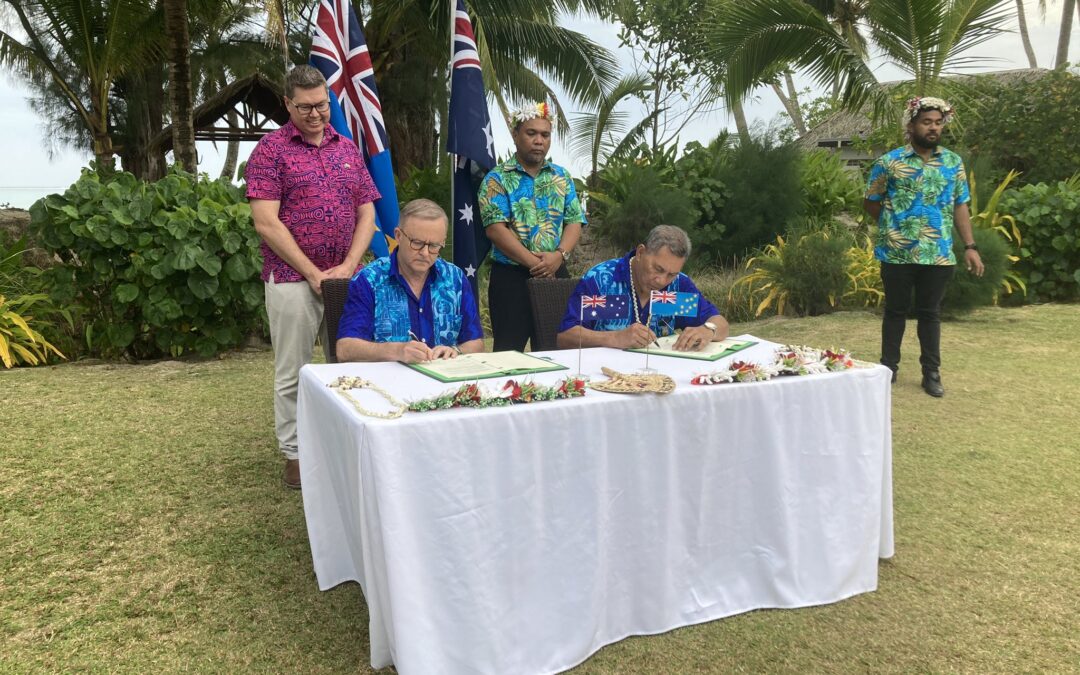
On the sidelines of the Pacific Islands Forum, Australia and Tuvalu just signed a new, major agreement—the Australia-Tuvalu Falepili Union Treaty. It binds Australia and Tuvalu much closer together in ways that appear to be win-win. And nobody was coerced into signing it (not directly anyway). But it’s not great, Bob! The new treaty actually expands the Pacific’s ongoing sphere-of-influence problem—the only problem nobody seems willing to name yet undermines almost every good news story that comes out of the Pacific. If the region cannot find an alternative to...
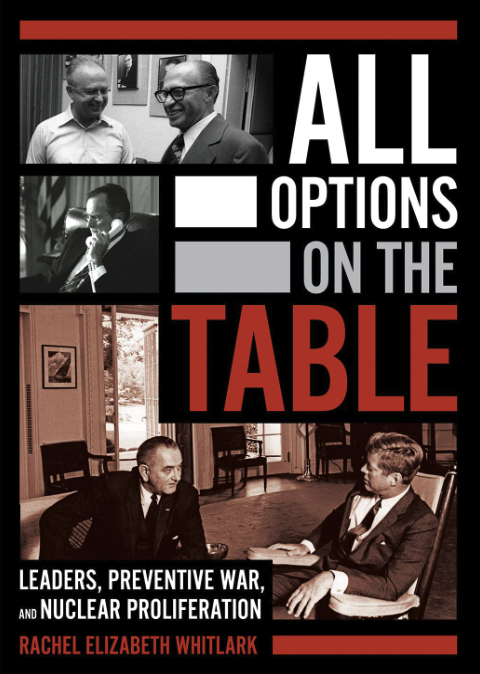
Our next Bridging the Gap Book Nook features Rachel Whitlark, an associate professor in the Sam Nunn School of International Affairs at the Georgia Institute of Technology. She discusses her recent book, All Options on the Table: Leaders, Preventive War, and Nuclear Proliferation. https://youtu.be/dK5_o5zE2hQ
The world could use some serious thinking about the relationship between political ideology and nuclear escalation—specifically far-right pathways to nuclear war. The nuclear strategy literature is full of smart claims from many angles: entanglement risks, discrimination problems, first-use incentives, credible commitments, retaliatory v. catalytic v. asymmetric postures, the staying power of the nuclear revolution, and the escalatory potential of different kinds of nuclear crises. But regime type is not a major preoccupation of nuclear wonks, and to the extent it factors...
The Indo-Pacific is an increasingly contested space. Literature on the region revolves around the notion that China’s deepening regional footprint has exacerbated apprehensions in Washington, Canberra, New Delhi, and Tokyo. Some worry that Xi might institute a security architecture with the ‘Middle Kingdom’ at the center rivalling the US hub-and-spokes model. Others, less apprehensive (and possibly more realistic), believe that China intends to reconfigure certain aspects of the security order to better suit its interests, while keeping large parts of it intact. Whichever, approach China...
During a pivotal scene in Christopher Nolan's The Dark Knight, Bruce Wayne talks with his butler/confidante Alfred about The Joker. Wayne suggests he can make sense of The Joker's motivation as a first step towards stopping his rampage. Alfred tells a story about an operation from his paramilitary career, in which a bandit leader was stealing precious jewels the government had handed out and tossing them in a river. Alfred suggest this was because some don't have a clear goal behind their violence; in his words, "some men just want to watch the world burn." I thought of this as I watched the...