We’re baaack!In the inaugural episode of the second season of Whiskey and International Relations…
Episode 1: Gates of the West
read more
We’re baaack!In the inaugural episode of the second season of Whiskey and International Relations…

Reacting to a recent event on the study of religion, conflict and peace
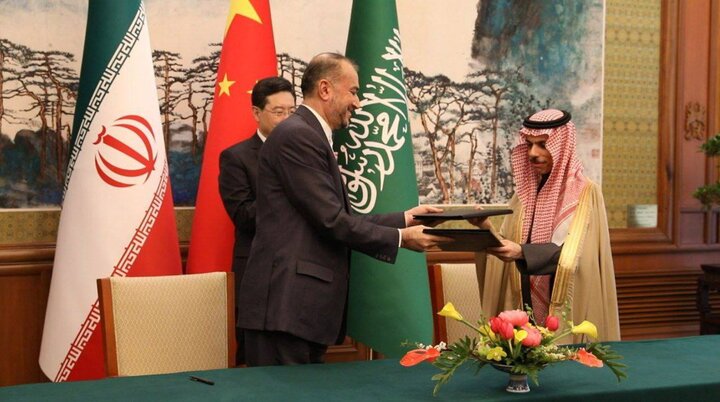
When I was in graduate school, my training included the methods and theories of international relations but also some of the epistemology and philosophy of science behind the sub-field. We discussed...

The Council on Foreign Relations (CFR) recently published results of a survey of historians on the best and worst foreign policy decisions in U.S. history. There are few surprises—wars in Vietnam...
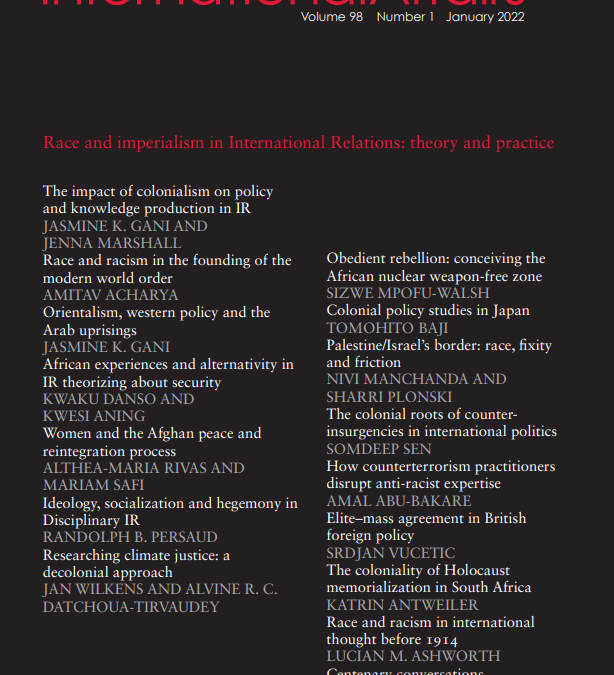
Decolonial methods, and the bringing of attention to race in knowledge production is necessarily historical. It demands a close re-reading of archives, forgotten texts, and sometimes “canonical” works. As a result, through this special issue and the wider work the authors build upon, we now have a very different understanding of the historical entanglements of race and international affairs knowledge.
Now that the myth of “theory-practice gap” has been largely refuted what role might IR and journals like International Affairs play in crafting a “reparative praxis”?
The International Affairs Centenary Special Issue on “Race and Imperialism in International Relations: Theory and Practice” was published two years ago in the aftermath of the global Black Lives Matter movement; it marked an atypical period of introspection by many scholars, departments, and journals of International Relations on the general paucity of attention given to matters of race and imperialism in IR research and teaching.

On February 21, the Federal Supreme Court of Iraq ruled on a set of cases pertaining to the Kurdistan Regional Government’s (KRG) electoral law. The Court declared that the 11 parliamentary reserved seats for minorities were unconstitutional. So too was the KRG’s single electoral district model....

Professor Lene Hansen of the University of Copenhagen likely needs no introduction to most listeners of this podcast. She has worked within what would be called the Copenhagen school or securitization theory, emphasizing within that school the overlooked lens of gender. Her work on discourse...
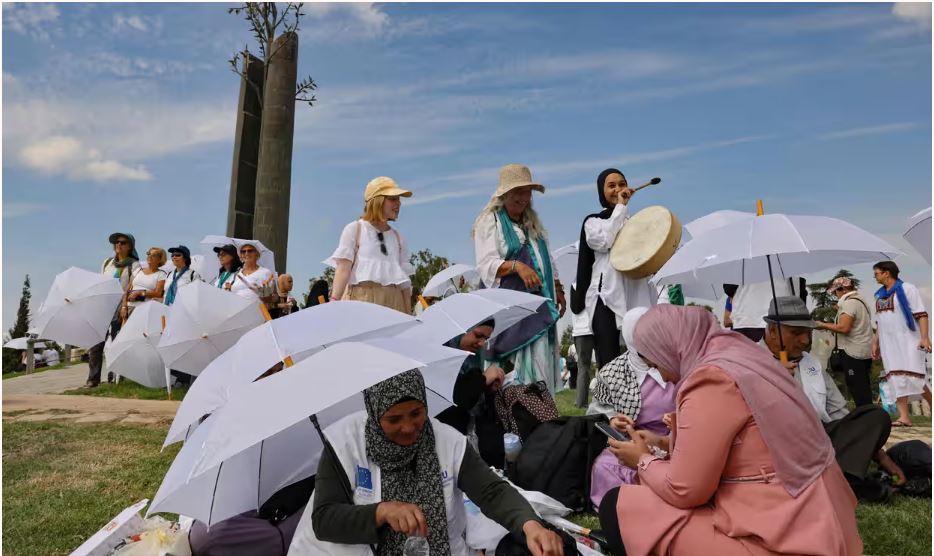
I recently submitted the below letter to Foreign Affairs in response to their latest issue's set of essays on Israel-Palestine peace. They decided not to run it, and I assume that's because of all the letters they get. However, I worry that we ignore the small-scale peace efforts that may be the...

Over the past few decades, Political Science has seen an increasing institutionalization of Scholarship on Teaching and Learning (SoTL) through journals, book series, and professional associations. Over at PS: Political Science and Politics, we add to this body of literature by making the case for...

The takeaway from last night's State of the Union address is that Biden's language continued decades-long trends of decreasing positive emotion, use of the term "we," and overall fewer words per sentence. Polarization data comes from V-Dem and the speeches were analyzed with LIWC. The State of the...
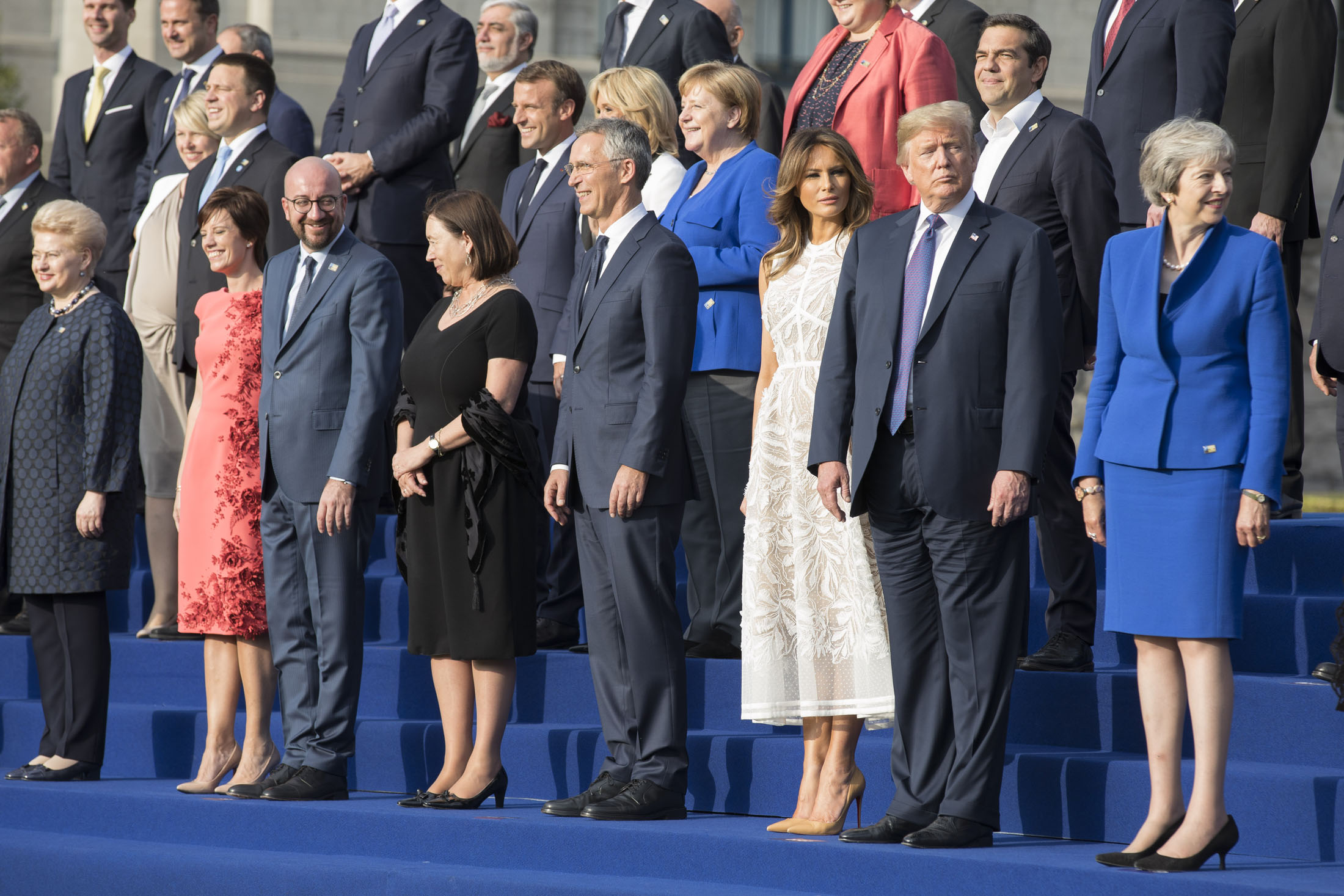
126 countries now publish a national security strategy or defense document, and 45 of these feature
a leaders’ preambles. How these talk about the world, or not, is surprisingly revealing of historical
global strategic hierarchies.

What is the name of the book? Ches Thurber. 2021. Between Mao and Gandhi: The Social Roots of Civil Resistance. Cambridge: Cambridge University Press. What’s the argument? Variation in their social ties helps explain why some dissident organizations embrace the “nonviolent” strategy of...
Huss Banai of Indiana University is an individual Brent considers himself incredibly fortunate to call a friend. He joins the Hayseed Scholar podcast to tell his amazing story and journey through life and academia. Huss was born in Iran and grew up in Northern Tehran until his family moved to...

If international relations as a field is to have a just purpose—not just justifying the power-hoarding and power-wielding of a ruling class—it needs more concepts to critique power, relate policy to peaceful ends, and surface rather than shroud the price that others pay for what our states do in...