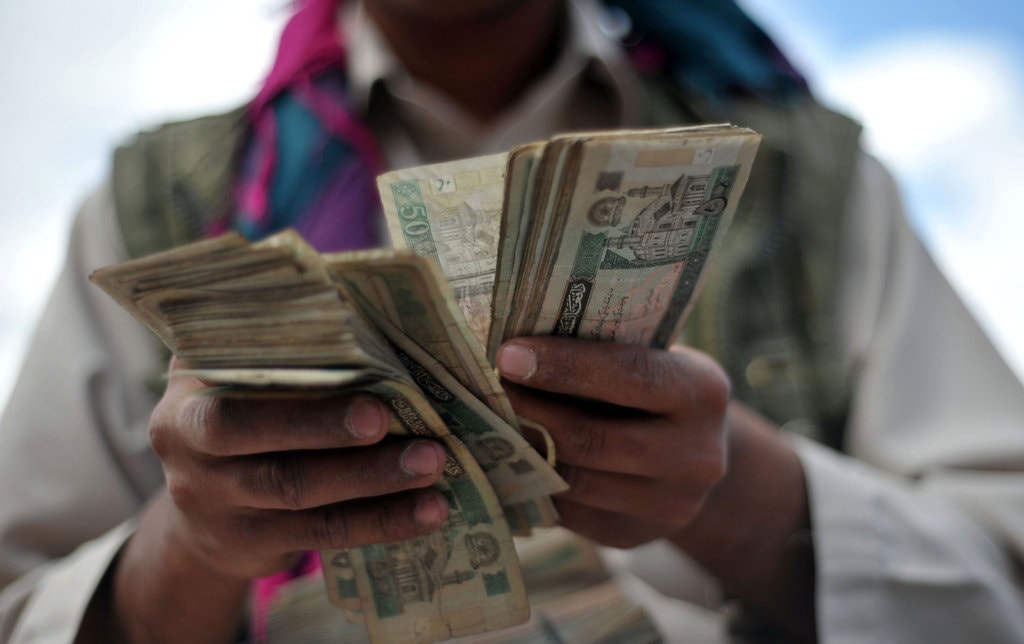
Corruption is an issue largely off the radar screens of many IR scholars. How can they better theorize corruption’s pervasiveness in international politics, while avoiding the biases of past approaches?
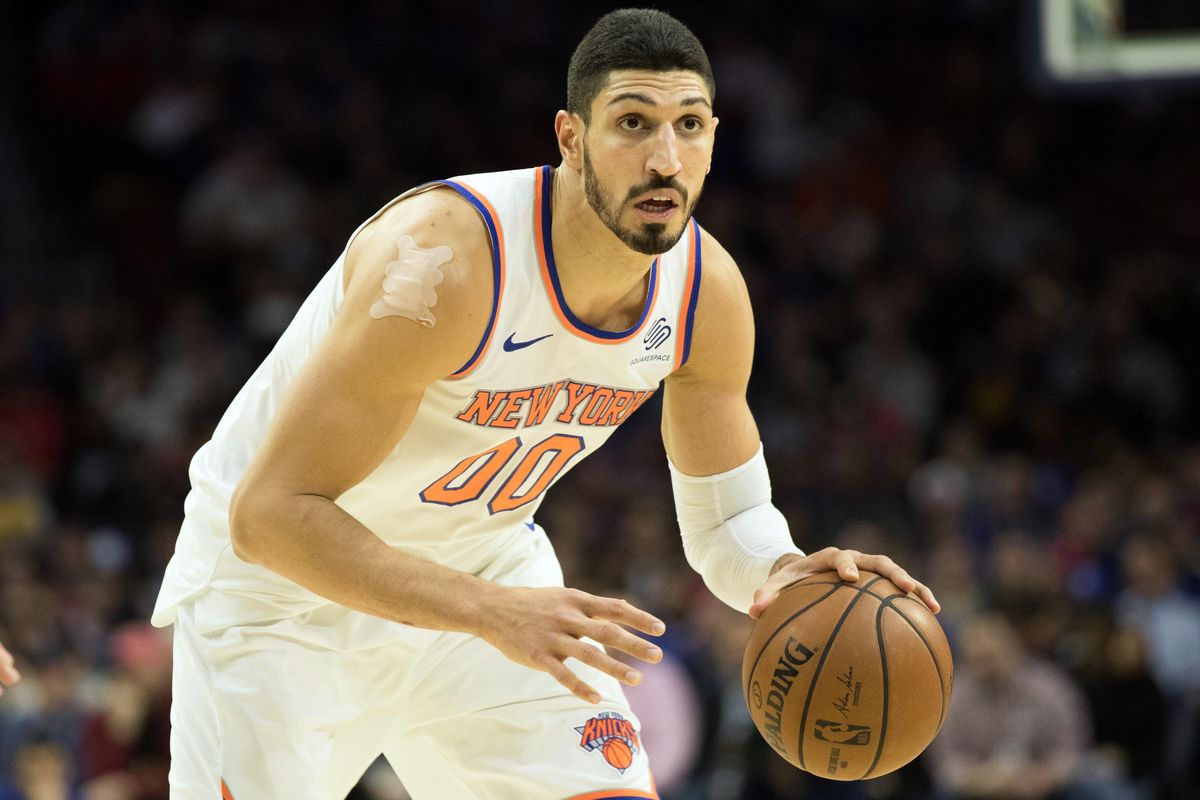
The NY Knicks will be travelling to London in a few weeks for a game against the Washington Wizards. But center Enes Kanter has announced he won't be joining them. Kanter, who is Turkish and a...
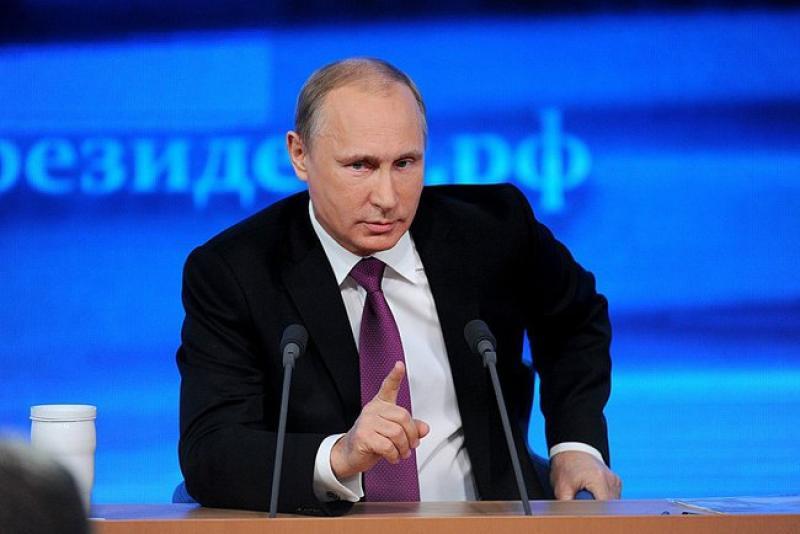
Somewhat cranky and slightly under the weather Putin graced the foreign journalists with his presence for almost 4 hours. Starting right off the bat with some optimistic economic indicators (that he...
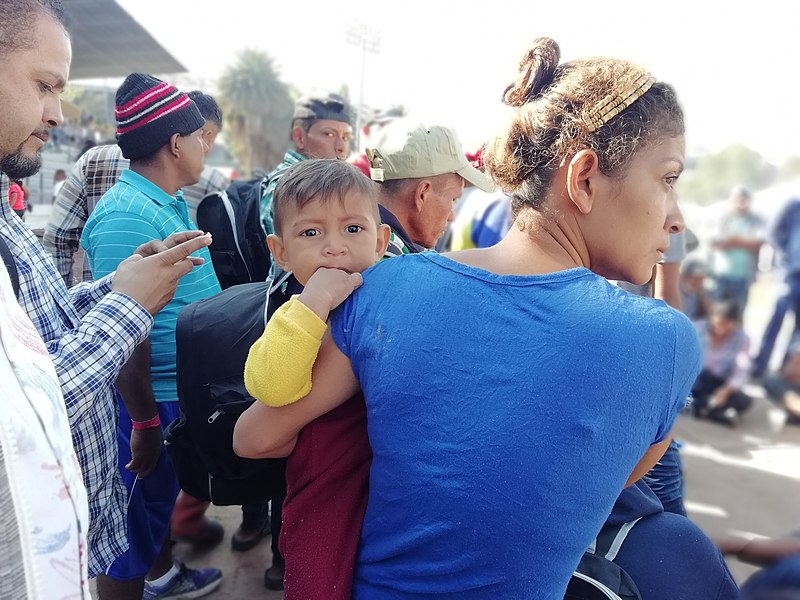
On Sunday, the US Border Patrol fired tear gas into Mexico at migrants, including children, attempting to enter the US near the San Ysidro border crossing between Tijuana and San Diego. The use of a...
The following is a guest post by Michele Leiby & Matthew Krain of The College of Wooster. We are at a moment where there’s more media attention, research and advocacy on behalf of global human rights than ever before. Given our common interests and goals as members of an international human rights community, it’s surprising how infrequently and ineffectually we communicate and contribute directly to one another’s work. Our recent research on the efficacy of human rights messaging is both informed by this gap and an effort to bridge it. We know that advocacy groups often deal with issues,...
The controversy surrounding the coalition airstrike in Kunduz continues to rumble on this week after military investigators drove an armoured personnel carrier into a hospital’s front gate. A spokesperson for the Pentagon was quick to apologise for any damage caused, telling reporters (without a hint of irony) that the team were simply trying to gain access to the facility so that they could assess the structural integrity of the buildings hit earlier in the month. This latest incident will do little to ease tensions between the United States and Médecins Sans Frontières (MSF), which...
This is a guest post from Michelle Jurkovich, an assistant professor of political science at the University of Massachusetts Boston. As the lunch hour approaches in Washington, a woman sits at the edge of Farragut Square holding a cardboard sign with three simple words: “I am hungry.” Some passersby are noticeably uncomfortable as they walk by her, averting their eyes and quickening their pace. A few people hand her the spare coins in their pockets. Most people ignore her completely. Had this woman expressed a violation of a different human right (for ultimately, that is what her sign is...
A few months ago, I began my Duck postings with an introspective on what it’s like to have grown up in the USA and moved to Canada to start my professional career. The current context in Canada is both daunting and exciting – yes people, “We the North” have an election. In two weeks. We have three (possibly four or five) parties to choose from, only one has amazing hair, and unlike US elections with the circus of personality assassinations and general chaos that surrounds the process, the Canadian one has gone on quite civilly and remained mostly focused on real issues. There are real issues...
https://www.youtube.com/watch?v=-WVWLEcOFqI&index=13 The video above is the YouTube presentation of my remarks this week at University of Toronto's Davey Forum, whose theme this year was "Is Canada Doing Enough to Promote Human Rights?" I attended at the kind invitation of Duck blogger Wendy Wong and her colleagues Lou Pauly and Rod Haddow, and my remarks followed those of former Canadian Foreign Minister Lloyd Axworthy. When it was time for the audience to ask questions, the very first question was: "What can Canada contribute to the Syrian refugee crisis?" It's exactly the right kind of...
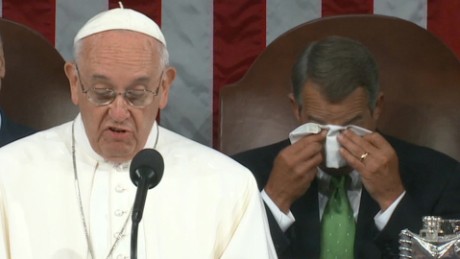
This is a guest post from Nathan Paxton, Professorial Lecturer in the School of International Service at American University and a 2015-2016 APSA Congressional Fellow. Now that Pope Francis has jetted back to the Vatican on “Shepherd One”, we have the chance to talk about the theoretical underpinnings of the pope’s international politics. I hope you’re as excited to have a political theory discussion as I am. Primarily, I want to discuss what I think the papal view of politics is, how it fits in with liberation theology, and what that means to those of us who care about international and...
This is a guest post by Leila Kawar, Assistant Professor of Legal Studies at University of Massachusetts Amherst. She is the author of Contesting Immigration Policy in Court: Legal Activism and Its Radiating Effects in the United States and France (Cambridge University Press 2015) and a cofounder of the Migration and Citizenship Section of the American Political Science Association. In 2000-2001, she spent a year in residence at the Institut français du Proche-Orient in Damascus, Syria. This summer, the ramparts of "Fortress Europe" were breached by a mass exodus undertaken by young...
As IR scholars thinking about the role of nongovernmental organizations (NGOs) in shaping international norms, we rarely think to ask those doing the work on the ground what they think (this author is guilty as charged). Plenty of work has gone into researching how others NGOs think of one another (Murdie and Davis, Hadden) and try to shape one another's’ behavior (Deloffre), how international NGOs shape international norms through their work with other political actors (Carpenter, among others), and how NGOs might censor themselves (Bush). Others have also looked at how external, in...