126 countries now publish a national security strategy or defense document, and 45 of these feature
a leaders’ preambles. How these talk about the world, or not, is surprisingly revealing of historical
global strategic hierarchies.
126 countries now publish a national security strategy or defense document, and 45 of these feature
a leaders’ preambles. How these talk about the world, or not, is surprisingly revealing of historical
global strategic hierarchies.
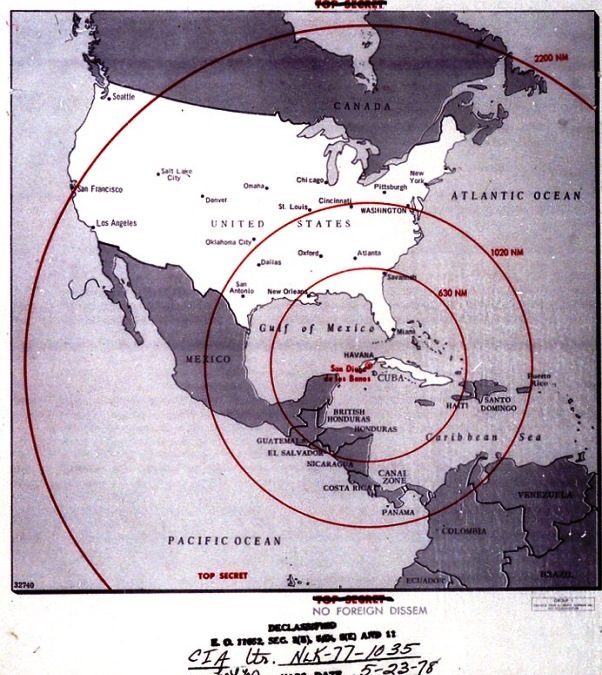
Any veteran (or better, victim) of a US grad program in IR will be familiar with the Cuban Missile Crisis of October 1962. The Crisis is widely considered a turning point in the Cold War, the moment...
The debacle over the Congressional Progressive Caucus’ letter on Ukraine reflects the underlying tensions between progressive values and realist grand strategies of restraint—as well as the danger of progressives failing to see the difference between the two.
This post is the first in a four part symposium on the Cuban Missile Crisis, one of the the most studied cases of IR. With the release of documents in recent decades, historical...
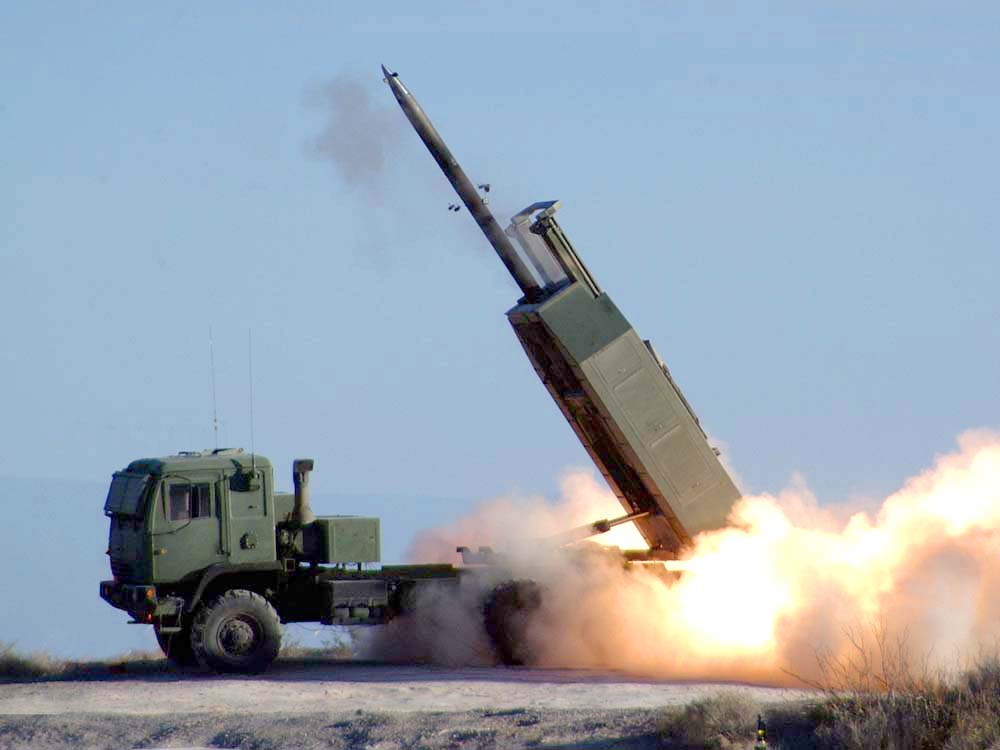
It seems like good times have come around again for realists. After decades in the theoretical and empirical doldrums (getting end of Cold War wrong, opposition to war in Iraq, terrorism and COIN) realism is back. The most recent U.S. National Defense Strategy renews a focus on great power competition, specifically with China and Russia. The Pentagon has offloaded MRAPs and is stocking up on boost phase interceptors, hypersonics, and other weapons platforms not all that useful against insurgents but great for peer competitors. Oh, happy days for the balance of power! Except, appearances are...
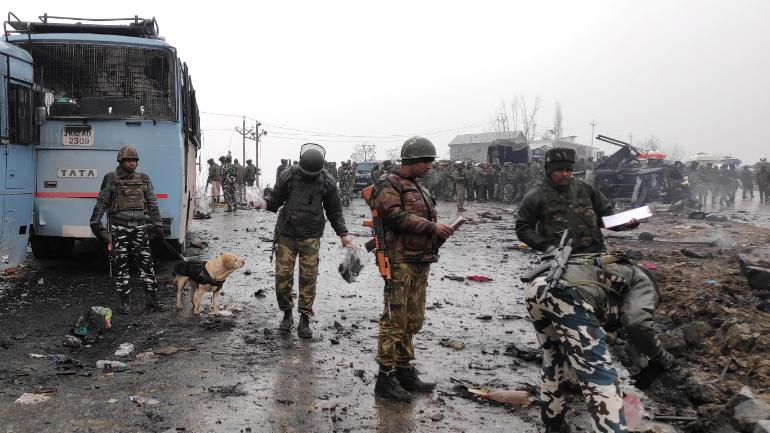
This is a guest post from Adnan Naseemullah from is Senior Lecturer in International Relations, King’s College London, and the author of Development after Statism (Cambridge University Press, 2017). Indian airstrikes near Balakot inside the Pakistani province of Khyber Pakhtunkhwa on the 26th of February, and Pakistani airstrikes in response, have created anxiety because nuclear conflict lies at the end of a steep escalation ladder. India was retaliating against a Valentine’s Day suicide attack on a convoy of paramilitary forces in Pulwama, in Indian-administered Kashmir, in which 42 were...
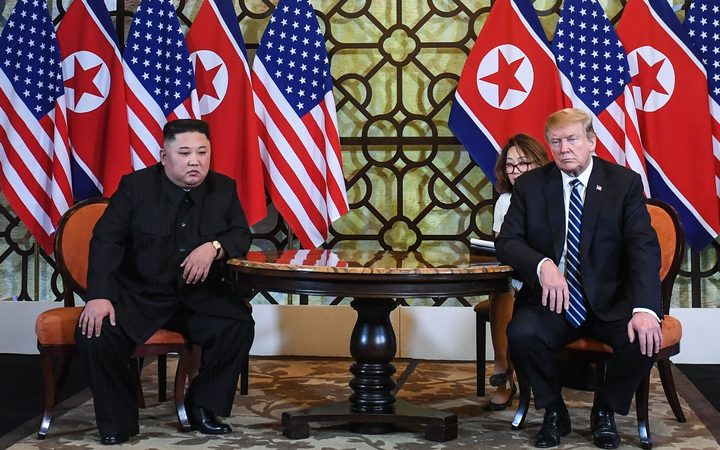
This week has seen a number of key events and crises in global politics that have made crystal clear once again the careening mess that is US foreign policy under the current administration. The Trump administration has no real overarching strategy—the argument that allies in Europe and elsewhere should bear more of the costs of their defense was not articulated as part of any coherent broader vision—and gutting of the diplomatic corps has left the US devoid of expertise and key actors to confront crises when they arise. First, there were two big stories around nuclear powers this week. The...
The United States is the safest country in the world. It has vast ocean moats to the east and west and weak friendly neighbors to the north and south. It has sufficient resources to shun global trade should it so choose. It is also the wealthiest and strongest country the world has ever seen. The heaviest foreign policy costs it has paid in the 20th and 21st centuries have come from self-inflicted wounds. The war in Vietnam. The war on Afghanistan. The war on Iraq. Those have had terribly high human, economic, resources, moral, and opportunity costs. Each of those wars was a choice made by...
The United States is closing in on the 18th anniversary of its first wartime death in Afghanistan, that of CIA operative Mike Spann, providing a melancholy opportunity to emphasize the role of grand strategy as a policymaking tool. To this end, I ask why the United States has done relatively poorly in so many of its so-called small wars, wars against much weaker adversaries. Its poor record is surprising because the United States has done so well in its major wars, including the world wars, the Korean War, and the Cold War. Some of the United States’ smaller wars have gone as planned. The...
America is reeling from the horrific attack on a synagogue in Pennsylvania, in which an anti-Semitic man killed 11 people. And we were already reeling from a series of attempted mail bomb attacks by a right-wing man targeting important liberal figures. Meanwhile, another right-wing attack this week in Kentucky was nearly overlooked. Those on the right tend to view these as horrible but isolated events. Those on the left point, rightly, to the vicious rhetoric coming from Donald Trump and some of his Republican allies, as well as the country’s lax gun laws. But I wonder if we should go...
This post comes from Bridging the Gap co-director Jordan Tama, Associate Professor at the School of International Service at American University. American presidents have typically been more internationalist than the average member of Congress. For instance, many presidents have struggled to persuade Congress to approve important international agreements or increase spending on diplomacy and foreign assistance. Scholars of U.S. foreign policy have provided a compelling explanation for this pattern: since voters hold presidents more accountable than members of Congress for the country’s...
The news out of Kandahar is pretty awful: the top leadership of the province was killed in an apparent attempt to kill General Austin Miller, the commander of US and NATO forces in the country. There is not many details, but the WashPost account is suggestive of some key dynamics and challenges. First, it sounds like the killer was apparently part of the provincial governor's security team. Not great. It does seem like the primary threat in Kandahar to elites are their security teams, as I seem to remember it was also a member of Ahmed Wali Karzai's security team that killed him. Second,...