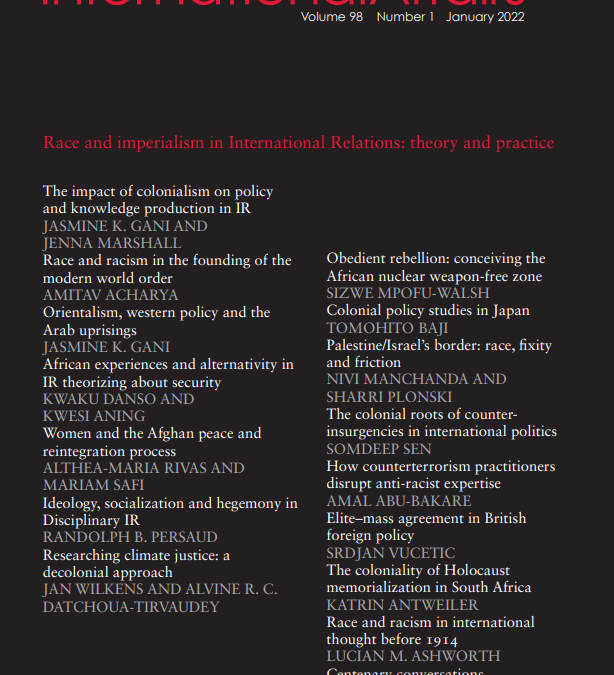
The special issue’s concerns could easily be a passing ‘fad’ as the forces of the status quo bide their time. A focal point on race, necessary as it is, could elide class and material factors’ influence on world politics.
Looking for some podcast episodes to give a listen to? I’ve got suggestions.
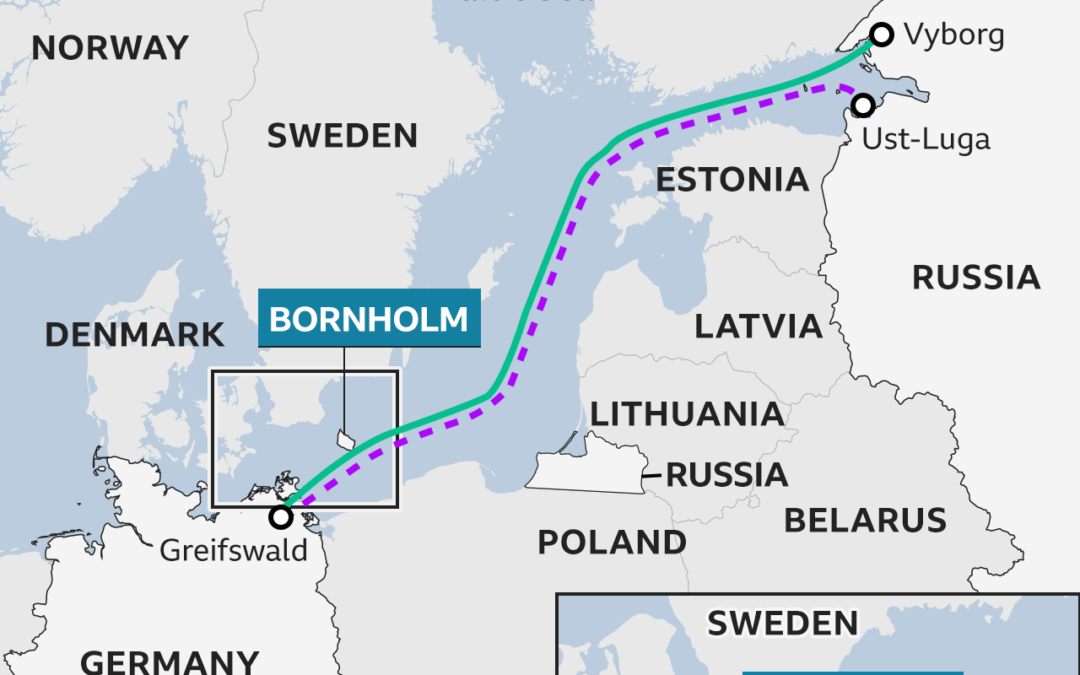
Initial speculation about Nord Stream reveals both the strengths and limitations of using international-relations models to make sense of unfolding events
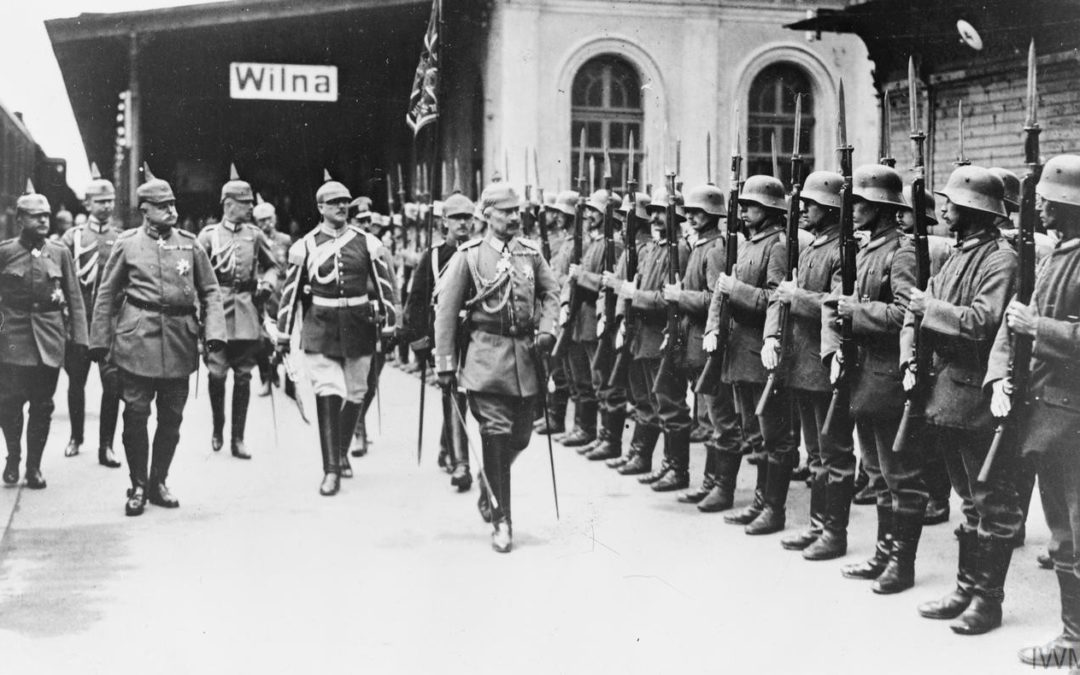
Some more excerpts from G. Loews Dickinson’s writings on international affairs.
Editor's Note: This is a guest post by David A. Lake. It is the 15th installment in our "End of IR Theory" companion symposium for the special issue of the European Journal of International Relations. SAGE has temporarily ungated all of the articles in that issue. This post refers to Lake's article (PDF). A response, authored by Phil Arena, will appear at 10am Eastern. Other entries in the symposium--when available--may be reached via the "EJIR Special Issue Symposium" tag. The field of International Relations...
Editor's Note: This is a guest post by Janice Bially Mattern. It is the 15th installment in our "End of IR Theory" companion symposium for the special issue of the European Journal of International Relations. SAGE has temporarily ungated all of the articles in that issue. This post refers to Patrick Thaddeus Jackson's and Daniel Nexon's article (PDF). Their post appeared earlier today. Other entries in the symposium--when available--may be reached via the "EJIR Special Issue Symposium" tag. Jackson and Nexon’s map of IR theory presents a different perspective on the field. The authors are...
Editor's Note: This is a  post (mostly) by Patrick Thaddeus Jackson. It is the 14th installment in our "End of IR Theory" companion symposium for the special issue of the European Journal of International Relations. SAGE has temporarily ungated all of the articles in that issue. This post refers to PTJ's and Daniel Nexon's article (PDF). A response, authored by Janice Bially Mattern, will appear at 10am Eastern. Other entries in the symposium--when available--may be reached via the "EJIR Special Issue Symposium" tag. To begin with the punchline: we feel that the state of international theory...
Editor's Note: This is a guest post by Cameron Thies. It is the 13th installment in our "End of IR Theory" companion symposium for the special issue of the European Journal of International Relations. SAGE has temporarily ungated all of the articles in that issue. This post responds to Stefano Guzzini's article (PDF). Guzzini's post appeared earlier today. Other entries in the symposium--when available--may be reached via the "EJIR Special Issue Symposium" tag. Stefano Guzzini provides us with yet another in a long line of thought provoking contributions on International Relations (IR)...
Editor's Note: This is a guest post by Stefano Guzzini. It is the 12th installment in our "End of IR Theory" companion symposium for the special issue of the European Journal of International Relations. SAGE has temporarily ungated all of the articles in that issue. This post refers to Guzzini's article (PDF). A response, authored by Cameron Thies, will appear at 10am Eastern. Other entries in the symposium--when available--may be reached via the "EJIR Special Issue Symposium" tag. My article argues for the fundamental importance of theorizing in International Relations (IR) against two by...
Editor's Note: This is a guest post by Vivienne Jabri. It is the eleventh installment in our "End of IR Theory" companion symposium for the special issue of the European Journal of International Relations. SAGE has temporarily ungated all of the articles in that issue. This post responds to Charlotte Epstein article (PDF). Epstein's post appeared earlier today. Other entries in the symposium--when available--may be reached via the "EJIR Special Issue Symposium" tag. If I claim there is a distinctiveness to ‘the international’, my claim is reiterated, indeed emphasized, by placing the proverb...
Editor's Note: This is a guest post by Charlotte Epstein. It is the ninth installment in our "End of IR Theory" companion symposium for the special issue of the European Journal of International Relations. SAGE has temporarily ungated all of the articles in that issue. This post refers to Epstein's article (PDF). A response, authored by Vivienne Jabri, will appear at 10am Eastern. Other entries in the symposium--when available--may be reached via the "EJIR Special Issue Symposium" tag. Being invited by the editors of EJIR to engage with the question of whether International Relations (IR)...
Editor's Note: This is a guest post by  David Edelstein. It is the eighth installment in our "End of IR Theory" companion symposium for the special issue of the European Journal of International Relations. SAGE has temporarily ungated all of the articles in that issue. This post responds to Chris Brown's article (PDF). His post appeared earlier today.  Other entries in the symposium--when available--may be reached via the "EJIR Special Issue Symposium" tag. Every other year, I teach a field survey seminar in international security for doctoral students in Georgetown’s Government Department....