Over the past month, U.S. President Donald Trump has shifted from misogynistic jabs to full‑scale performances of militarized authority, an evolution entirely consistent his political...
This a crosspost from Saideman's Semi-Spew. This week, we found out that Brandon Valeriano died. It is quite gutting as he had such a terrific spirit, and he was too damned...
I published an article yesterday in Real Clear Defense. The title is “The Road to Securing European Cooperation on China Runs Through Ukraine”, but I suppose I could have called this piece, “How to...
The buzzword of the first Trump administration was “Great Power Competition.” That was also a lie.
Most versions of the left gain little and sacrifice much in accepting a realist epistemology. Theories of international relations are just tools for making sense of patterns and puzzles in the world; they don’t need groupies.
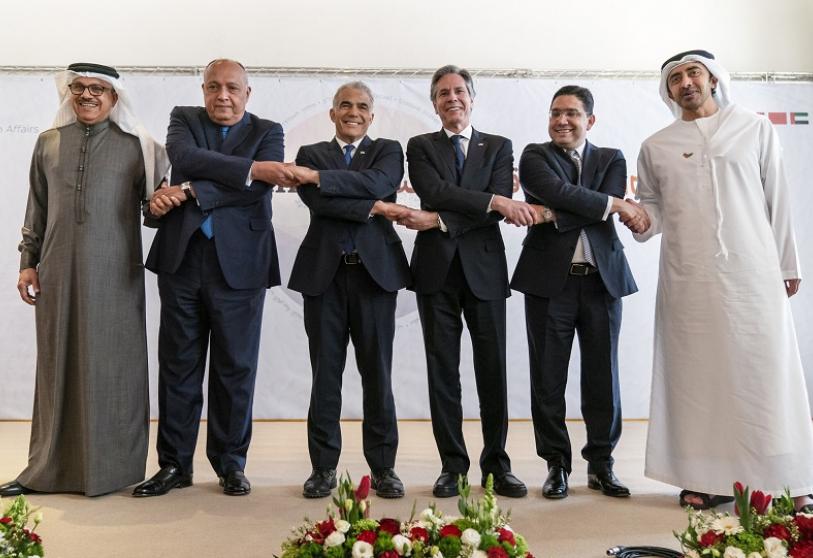
This has been either a bad week for Israel, or a great week for Israel, depending on whom you ask or what your Twitter feed looks like. In the end, this may matter more for the relevance and impact of Middle East studies than anything else.
The volume calls on international-relations instructors to make use of “subversive pedagogies” — ones that embrace a more holistic understanding of teaching. It invites academics to interrogate what we teach, how we teach, where we teach, and whom we teach.
Two recent interviews in the New Yorker have received substantial attention in recent weeks. Unfortunately, taken together, they make the IR discipline look terrible. How can IR theorists demonstrate their discipline’s relevance in the face of rapidly changing historical events?
In December of 2020, the U.S. government announced that hackers – most likely from Russia’s military intelligence agency, the GRU – had compromised over two hundred companies and federal agencies. What sets the SolarWinds attack apart from previous incidents is its sheer scale. The company has...
This piece is the third of a three-part series grappling with the role of political economy in making a just, sustainable international order. Neoliberalism — the ideology of the primacy of capital — has been bad for American statecraft. It’s a major reason why we have no economic...
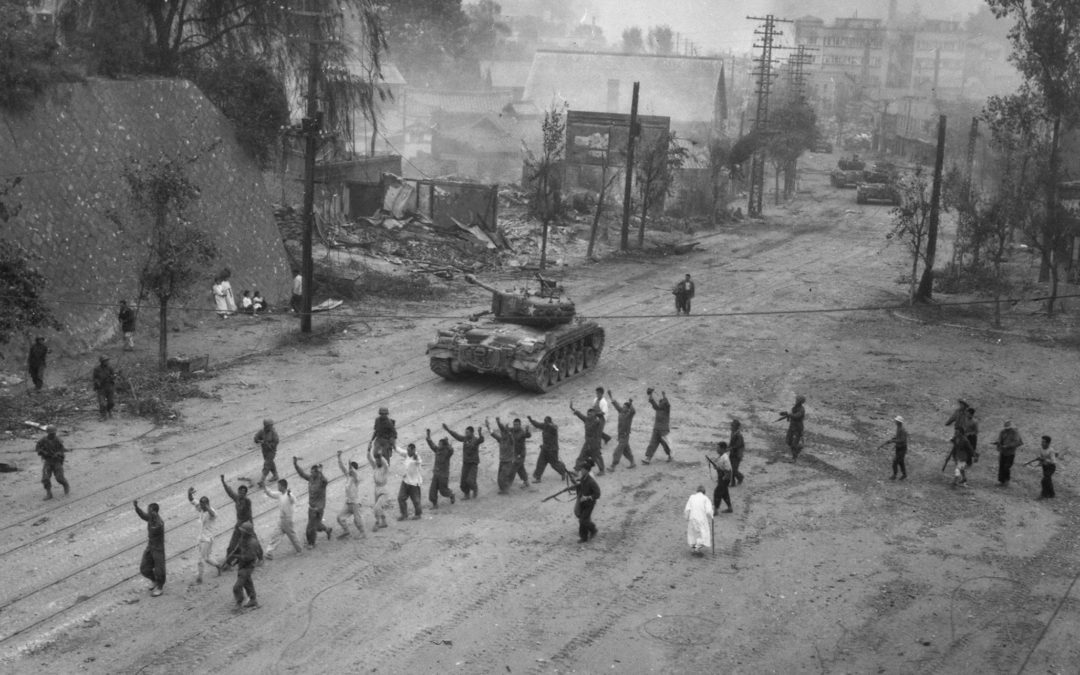
Recent chatter about David Remnick's interview of Stephen Kotkin reminds me of another interview that Kotkin recorded in February. Kotkin draws an analogy between Putin's decision to invade Ukraine and Stalin's decision to give Kim Il-sung the "green light" to invade South Korea in 1950. The...
Watching recent events (and inspired by this tweet about Latvia's PM's take on this), I am reminded of a famous misquotation from the American war in Vietnam: "we had to destroy the village in order to save it." Seems like Putin's Russia is killing the kin in order to save them. The attacks on the...
The COVID-19 virus scrambled the plans of social scientists whose research depends on field work, including many who use and reflexive methods. It became almost impossible to do research that depends on face-to-face interviews, personal interactions, and participant observations. It's difficult to...
Articles by authors with foreign-sounding names are cited far less than those written by people with “typically-American” names.
In 2014, John Mearsheimer authored a Foreign Affairs article in which he blamed that year’s Ukrai…
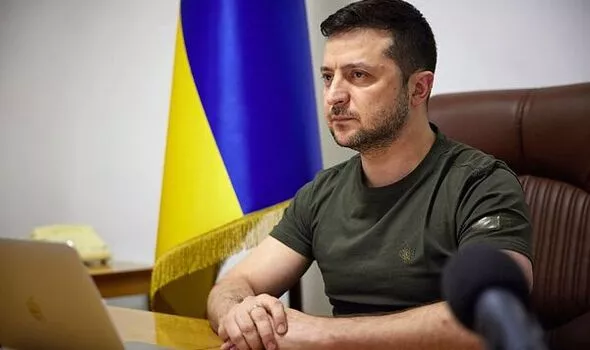
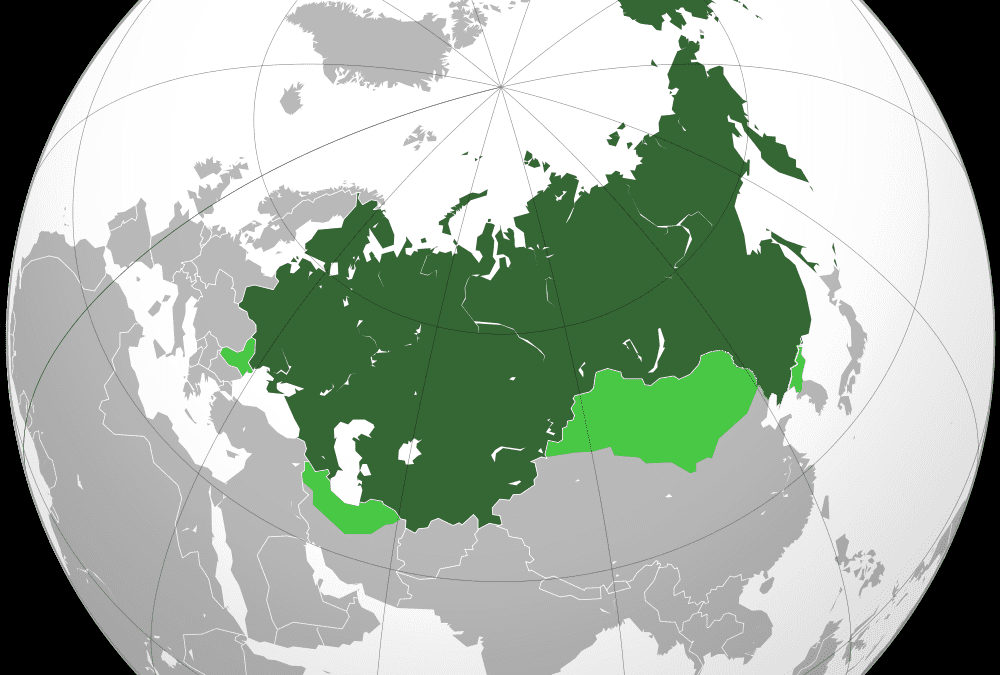
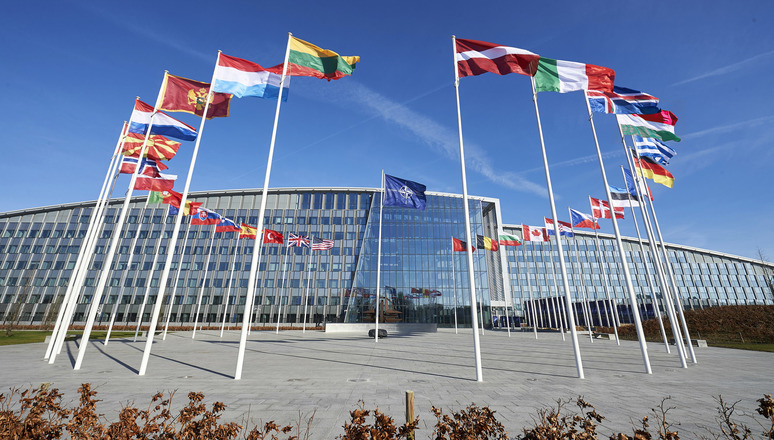
The problem with saying that Russia had legitimate security fears and that NATO expansion is partly to blame for Putin’s invasion of Ukraine is that it omits some parts of the picture while exaggerating others. It creates a lopsided view. It magnifies every remote and hypothetical security threat to Russia, while ignoring the very real security threats to Russia’s neighbors, and ignoring Western efforts to accommodate Russia’s security concerns. The framing reflects habitual blindspots that have distorted many left-wing perspectives on Vladimir Putin and Russian foreign policy.