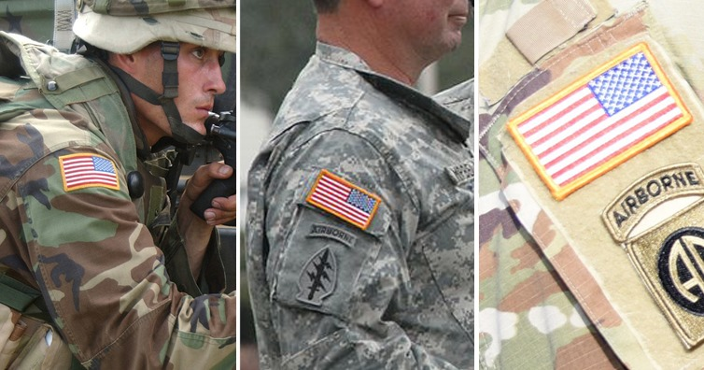
Over the past month, U.S. President Donald Trump has shifted from misogynistic jabs to full‑scale performances of militarized authority, an evolution entirely consistent his political...
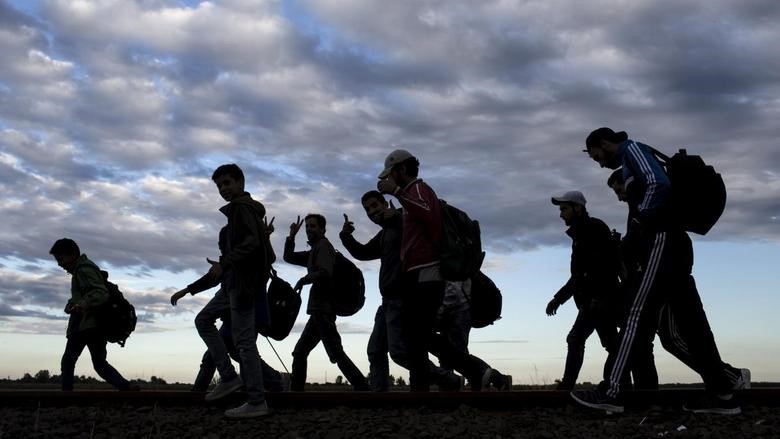
While immigration has not only continued but also increased in recent years, the strict stances of some politicians and policy makers of destination countries, especially European countries, brings...
“A specter is haunting strategic studies—the specter of peace.” These bizarre words are from Richard Betts, who provocatively presented peace itself as a problem in a largely...
Associate Provost and W. Harold Row Professor of Global Politics Jamie Frueh, of Bridgewater College, joins the Hayseed Scholar podcast. Jamie and Brent have been friends for over 15 years, meeting...
G. John Ikenberry is one of the most influential scholars of “liberal international order.” It’s likely that he, along with Dan Deudney, is responsible for popularizing the phrase. John’s most recent book, A World Safe for Democracy: Liberal Internationalism and the Crises of Global Order has reportedly shaped the thinking of the Biden foreign-policy team. I interviewed him for a recent podcast.
Musgrave’s identification of dangerous ideas is correct, but his metaphor risks entrenching the fundamental problem: the (inevitable) weaponization of “scientific objectivity.”
Perhaps the problem isn’t that theories leak from the lab, but efforts to seal the lab in the first place. If political scientists spent more time observing the policy world, me might get both better and more careful theories in the first place.
Political Science isn’t sterile laboratory. The discipline is riddled with politics and deeply influenced by policy concerns.
Some political-science lab leaks are more difficult to control than others.
Paul Musgrave has written an important piece discussing how ideas developed within academia can have profoundly negative effects when they escape into the wild of the policymaking world. For someone like me who has been involved for many years in the Bridging the Gap project, whose...
Today we're kicking off a new symposium on Paul Musgrave's Foreign Policy article, "Political Science Has Its Own Lab Leaks." In it, Musgrave likens academic disciplines to labs; academic theories that exercise political influence, in his metaphor, are like viruses. Perhaps, his piece suggests,...
What we know about reputation and credibility doesn’t track with the claims of doomsayers. But it also doesn’t accord with those who argue that there’s “nothing to see here.”
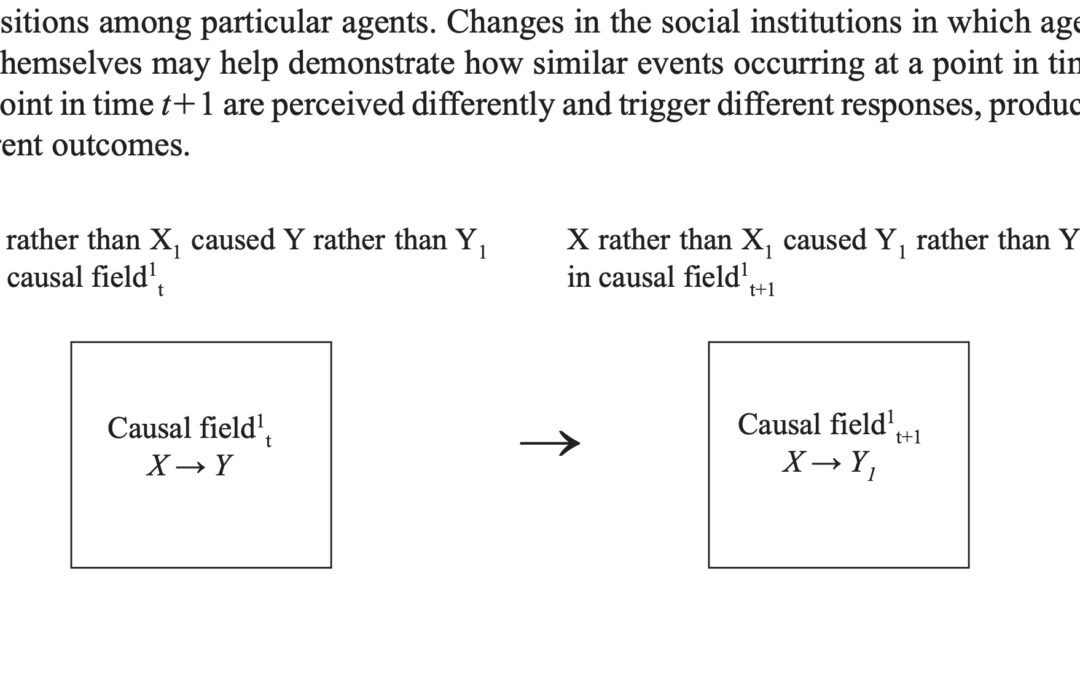
Ludvig Norman answers 6+1 questions about causal inference in interpretative scholarship
Always attack. Even in defense, attack. The attacking arm possesses the initiative and thus commands the action. To attack makes men brave; to defend makes them timorous. Steven Pressfield, The Virtues of War Does America even know where is it heading? Fictitiously yes. Geopolitically no. So it...
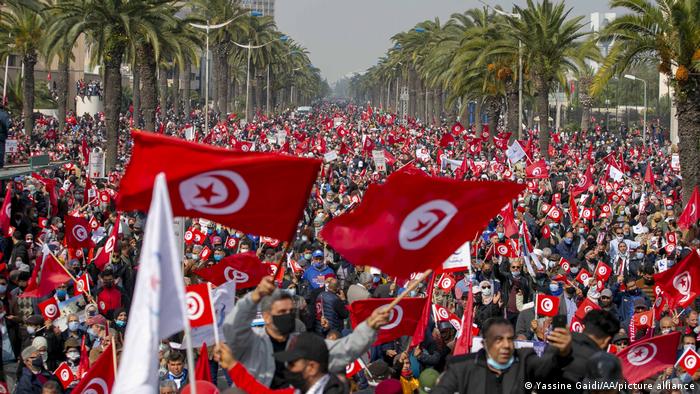
Everyone is (rightly) thinking about Afghanistan, but I'm still thinking of Tunisia. Each fall I teach a Middle East politics class. And each fall I end our discussion on the Arab Spring with a debate over whether the Arab Spring actually mattered. Most students end up arguing that it didn't, or...
Climate change poses substantial national, international and human security risks, but analysts have only recently shifted their focus toward how to simultaneously build peace in post-conflict environments and grapple with the dual challenges of mitigating and adapting to climate change.