How can we understand Tump 2.0 foreign policy? It’s the product of the fusion of two different forces: Christian Nationalism and Personalist Rent-Extraction.
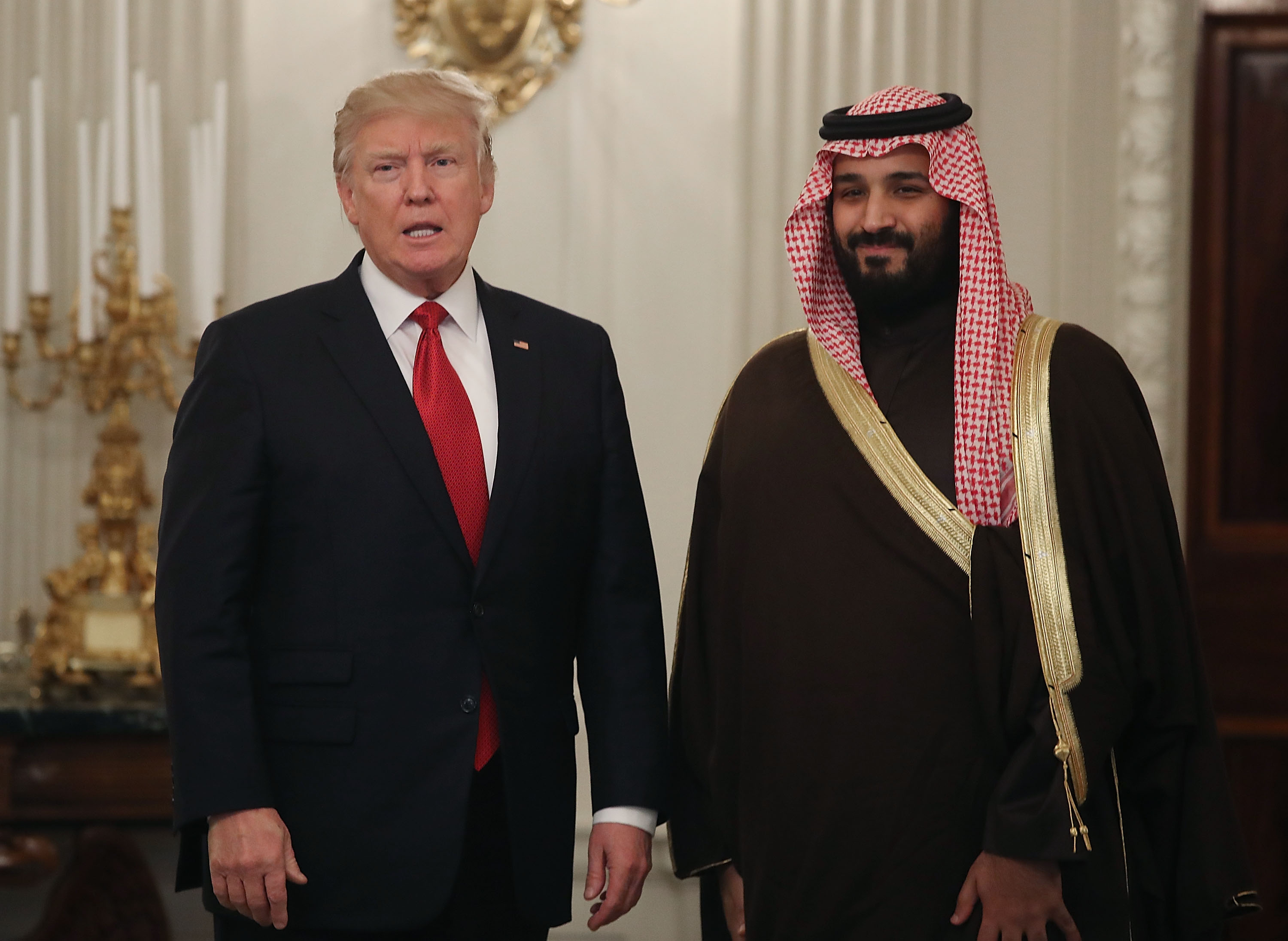
Trump’s Foreign Policy and the Purpose of the MAGA State
read more
How can we understand Tump 2.0 foreign policy? It’s the product of the fusion of two different forces: Christian Nationalism and Personalist Rent-Extraction.

On February 21, the Federal Supreme Court of Iraq ruled on a set of cases pertaining to the Kurdistan Regional Government’s (KRG) electoral law. The Court declared that the 11 parliamentary reserved...

Professor Lene Hansen of the University of Copenhagen likely needs no introduction to most listeners of this podcast. She has worked within what would be called the Copenhagen school or...

I recently submitted the below letter to Foreign Affairs in response to their latest issue's set of essays on Israel-Palestine peace. They decided not to run it, and I assume that's because of all...

Fast fashion is generating more than just cheap clothing: it’s also a crisis of disposability affecting livelihoods in the Global South.
Paul Musgrave concludes the “Lab Leaks” symposium by engaging with his interlocutors and reflecting on the challenges faced by political science in an era of public-facing scholarship.
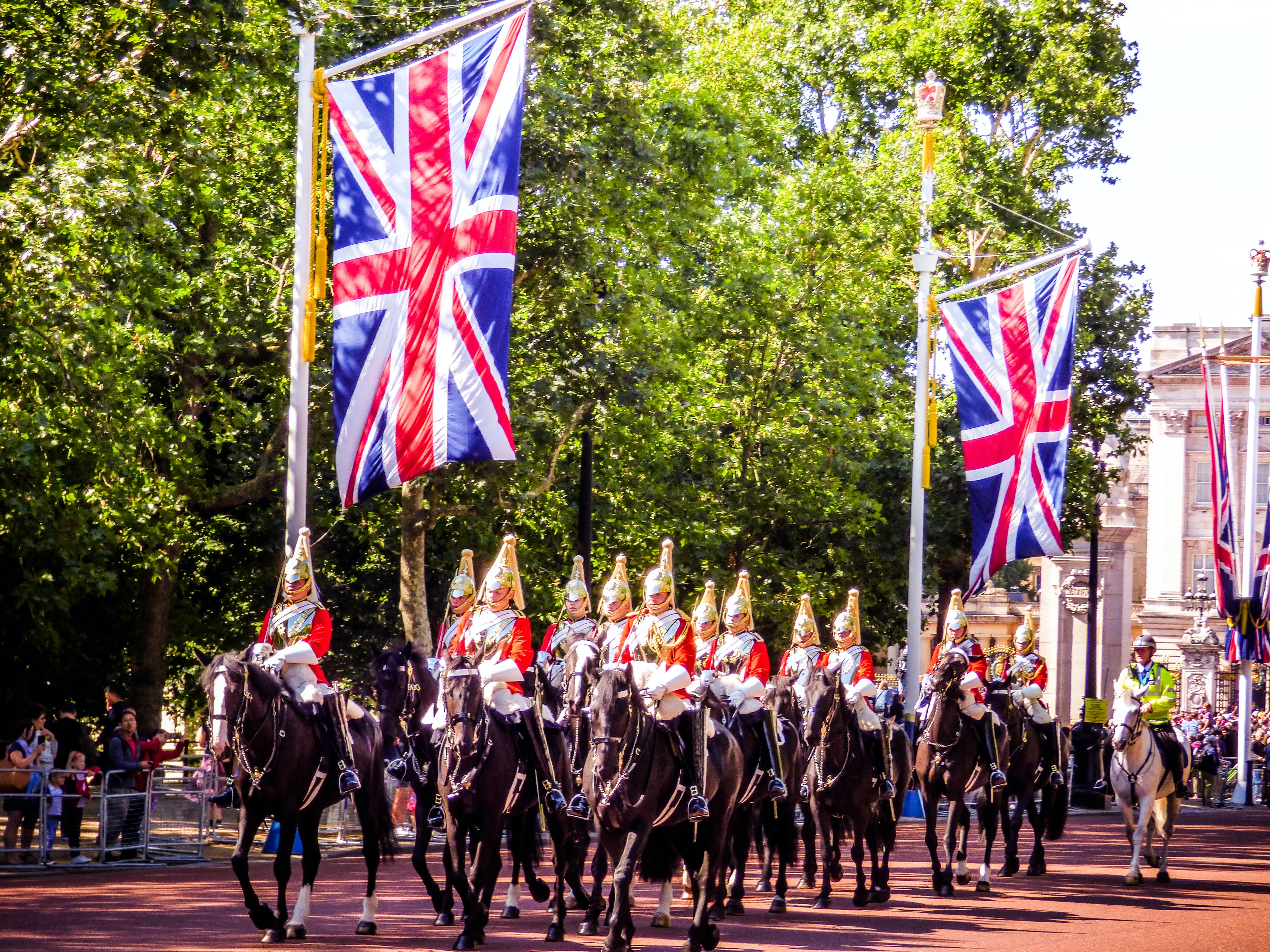
I was just about to block "Afghanistan" as a key word in my Twitter timeline when I saw several people asking why British conservatives were even more freaked out about the U.S. withdrawal from Afghanistan than American conservatives. The question was in response to the UK defense secretary saying...
G. John Ikenberry is one of the most influential scholars of “liberal international order.” It’s likely that he, along with Dan Deudney, is responsible for popularizing the phrase. John’s most recent book, A World Safe for Democracy: Liberal Internationalism and the Crises of Global Order has reportedly shaped the thinking of the Biden foreign-policy team. I interviewed him for a recent podcast.
Musgrave’s identification of dangerous ideas is correct, but his metaphor risks entrenching the fundamental problem: the (inevitable) weaponization of “scientific objectivity.”

Perhaps the problem isn’t that theories leak from the lab, but efforts to seal the lab in the first place. If political scientists spent more time observing the policy world, me might get both better and more careful theories in the first place.
Political Science isn’t sterile laboratory. The discipline is riddled with politics and deeply influenced by policy concerns.
Some political-science lab leaks are more difficult to control than others.

Paul Musgrave has written an important piece discussing how ideas developed within academia can have profoundly negative effects when they escape into the wild of the policymaking world. For someone like me who has been involved for many years in the Bridging the Gap project, whose...
Today we're kicking off a new symposium on Paul Musgrave's Foreign Policy article, "Political Science Has Its Own Lab Leaks." In it, Musgrave likens academic disciplines to labs; academic theories that exercise political influence, in his metaphor, are like viruses. Perhaps, his piece suggests,...
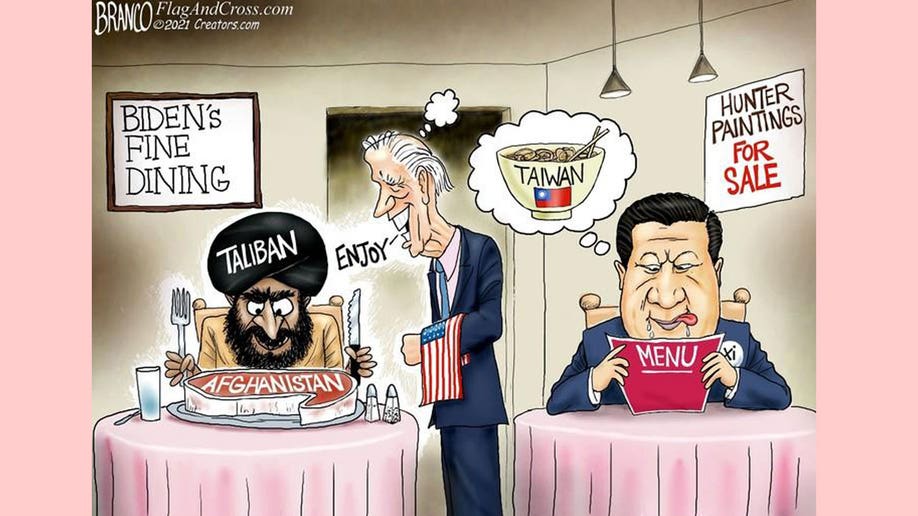
What we know about reputation and credibility doesn’t track with the claims of doomsayers. But it also doesn’t accord with those who argue that there’s “nothing to see here.”
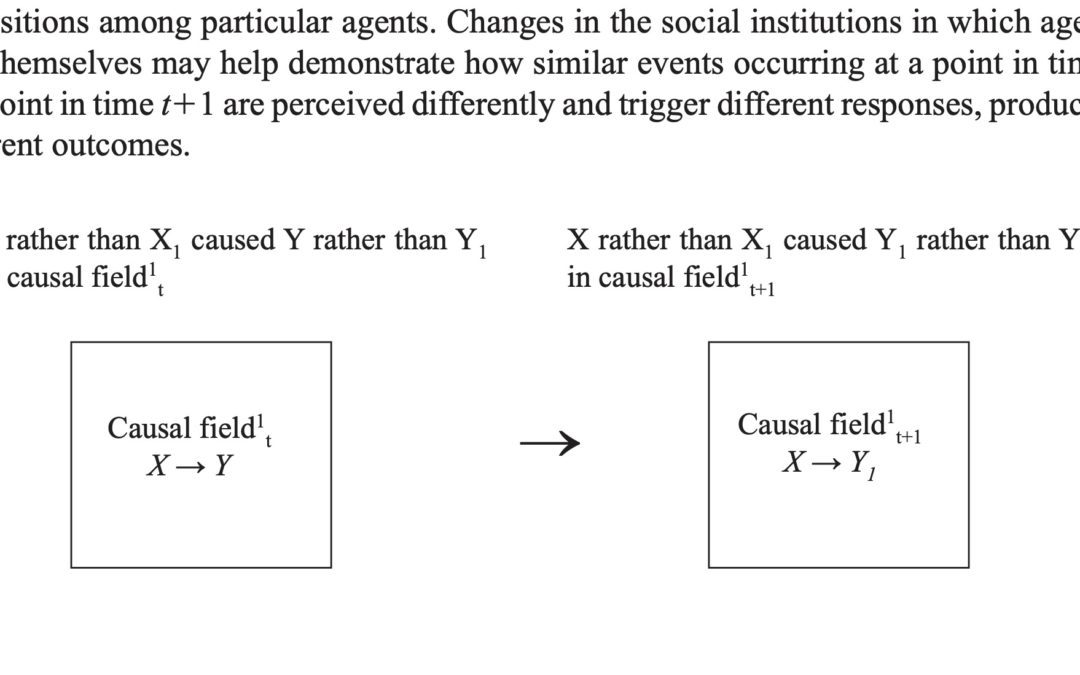
Ludvig Norman answers 6+1 questions about causal inference in interpretative scholarship